
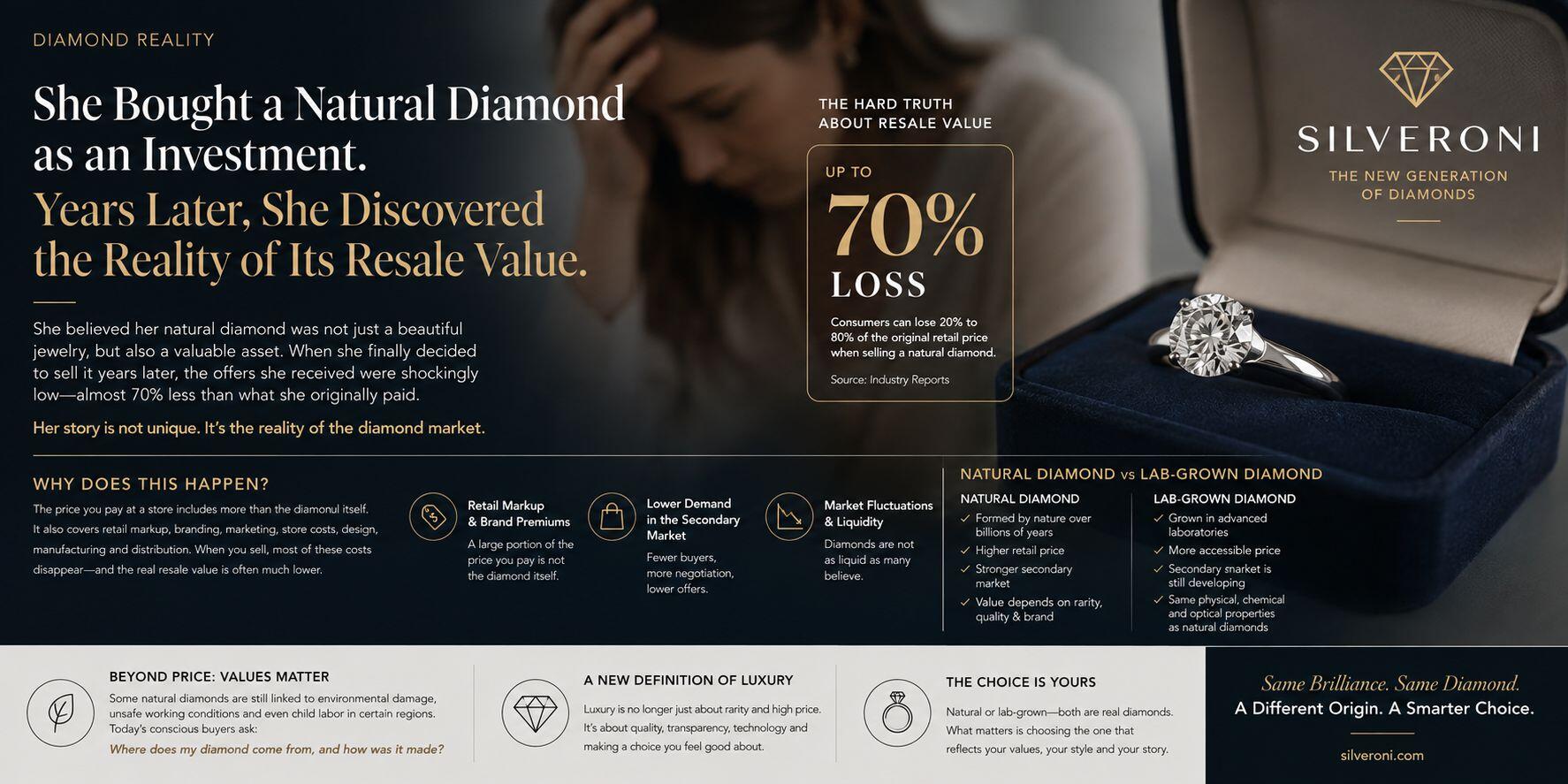
She Bought a Natural Diamond as an Investment. Years Later, She Discovered the Reality of Its Resale Value
She Bought a Natural Diamond as an Investment. Years Later, She Discovered the Reality of Its Resale Value
As lab-grown diamonds reshape the global jewelry industry, consumers are beginning to question one of the most persistent beliefs surrounding diamonds: Is a diamond really an investment?
For generations, diamonds have represented love, commitment, luxury and permanence.
But somewhere along the way, another idea became attached to them: that buying a natural diamond was also a way of storing wealth.
Imagine a woman who purchased a natural diamond years ago.
At the time, she believed she was buying more than a beautiful piece of jewelry. She thought she was putting part of her money into something valuable, something she could keep for years and potentially convert back into cash if she ever needed it.
The diamond remained safely in its box.
Years passed.
Then life changed.
One day, she needed money and decided it was time to sell the natural diamond she had carefully preserved.
She wasn’t necessarily expecting to recover every dollar she had originally paid. But she did expect a significant portion of it back.
Then came the surprise.
The offers she received were dramatically lower than the original retail price.
In our scenario, the difference approached 70%.
For many consumers, this can be one of the most surprising realities of the diamond market.
The Price You Pay Is Not Necessarily the Value You Can Recover
A natural diamond’s retail price does not represent only the wholesale value of the stone.
Depending on where it is purchased, the final price may also reflect retail margins, branding, marketing, store expenses, distribution, jewelry manufacturing, design and other costs.
When a consumer later tries to sell that diamond, many of those costs disappear from the equation.
The buyer is evaluating the stone based on what it can be resold for in the current secondary market, not necessarily what the original customer paid at a jewelry store.
This can create a substantial gap between the original retail purchase price and the amount a consumer may receive when selling.
There is no universal rule saying that every natural diamond loses 70% of its value.
Resale results can vary significantly according to carat weight, cut, color, clarity, certification, brand, market conditions and, perhaps most importantly, where and how the diamond is sold.
But the possibility of a significant resale loss raises a much bigger question:
When we buy diamond jewelry, are we really making an investment, or are we purchasing something beautiful to wear, enjoy and celebrate?
Lab-Grown Diamonds Are Changing the Question
The rapid development of lab-grown diamonds has introduced a completely different way of thinking about diamond jewelry.
First, an important distinction needs to be made.
A lab-grown diamond is not a fake diamond.
It is not cubic zirconia.
It is not moissanite.
Lab-grown diamonds have essentially the same chemical, physical and optical properties as natural diamonds.
The fundamental difference is their origin.
Natural diamonds were created deep within the Earth through geological processes over extraordinarily long periods of time.
Lab-grown diamonds are grown under controlled technological conditions designed to recreate the environment in which diamonds form.
Both result in diamond.
Yet their economics can be very different.
What If the Better Question Isn’t “How Much Can I Sell It For?”
Technology has made high-quality lab-grown diamonds increasingly accessible.
This allows consumers to consider larger stones, higher specifications or more elaborate jewelry designs without necessarily paying the premium associated with an equivalent natural diamond.
But there is something Silveroni believes consumers should understand clearly:
Lab-grown diamonds should not automatically be considered financial investments either.
Prices of lab-grown diamonds have declined substantially as production technology has improved and supply has expanded.
Their secondary resale market can also be more limited than that of natural diamonds.
And this is exactly where the conversation becomes interesting.
Perhaps the question shouldn’t be:
“Which diamond will make me money?”
Perhaps it should be:
“If I am buying a diamond primarily to wear and enjoy, how much capital do I want to spend to achieve the beauty, size and quality I want?”
That is a fundamentally different way of looking at jewelry.
A consumer purchasing a lab-grown diamond can potentially obtain comparable diamond characteristics while committing significantly less money at the time of purchase.
The financial logic therefore isn’t necessarily about expecting a lab-grown diamond to appreciate.
It is about understanding what you are paying for in the first place.
The Modern Consumer Wants to Know More
Price is only part of the transformation.
Today’s consumers increasingly want to understand where their products come from.
The diamond industry is no exception.
It would be inaccurate and unfair to suggest that every natural diamond is produced under unethical conditions. Responsible mining operations, traceability initiatives and industry certification systems exist throughout the global diamond supply chain.
However, concerns surrounding working conditions, environmental impact and documented cases of child labor or forced labor associated with diamond mining in certain regions have contributed to greater consumer scrutiny of sourcing.
This has created a new generation of questions.
Where did my diamond come from?
How was it produced?
Can its origin be traced?
What am I actually paying for?
And does the product reflect my personal values?
These questions are becoming part of the modern definition of luxury.
Natural Diamond or Lab-Grown Diamond?
Natural diamonds remain extraordinary products of nature.
Their geological history, rarity and cultural significance can make them deeply desirable to consumers who value natural origin.
Lab-grown diamonds do not need to erase that story.
They simply introduce another one.
A story built around science, advanced manufacturing and a new economic model for diamond jewelry.
The two products can coexist.
The important change is that today’s consumer has a choice that previous generations simply did not have.
The Definition of Luxury Is Changing
For decades, luxury was often associated with scarcity and price.
The more difficult something was to obtain, and the more expensive it was, the more luxurious it appeared.
Technology is beginning to challenge that definition.
A new generation of consumers may increasingly define luxury differently: through design, quality, personalization, transparency and the freedom to understand exactly what they are purchasing.
Perhaps the future of luxury isn’t about paying the highest possible price for a diamond.
Perhaps it is about knowing why you are paying that price.
At Silveroni, we believe lab-grown diamonds are not simply a cheaper substitute for natural diamonds.
They represent a new generation of the diamond industry.
A generation where technology gives consumers greater choice.
Where beautiful jewelry can become more accessible.
Where questions about origin matter.
And where consumers can decide for themselves what makes a diamond valuable.
Because the future of diamonds isn’t only about brilliance.
It’s about knowledge, technology and conscious choice.
Silveroni
The New Generation of Diamonds
B2B Lab-Grown Diamond Jewelry: Why It Is a Smart Growth Opportunity for Jewelers in 2027
Lab Grown Diamond
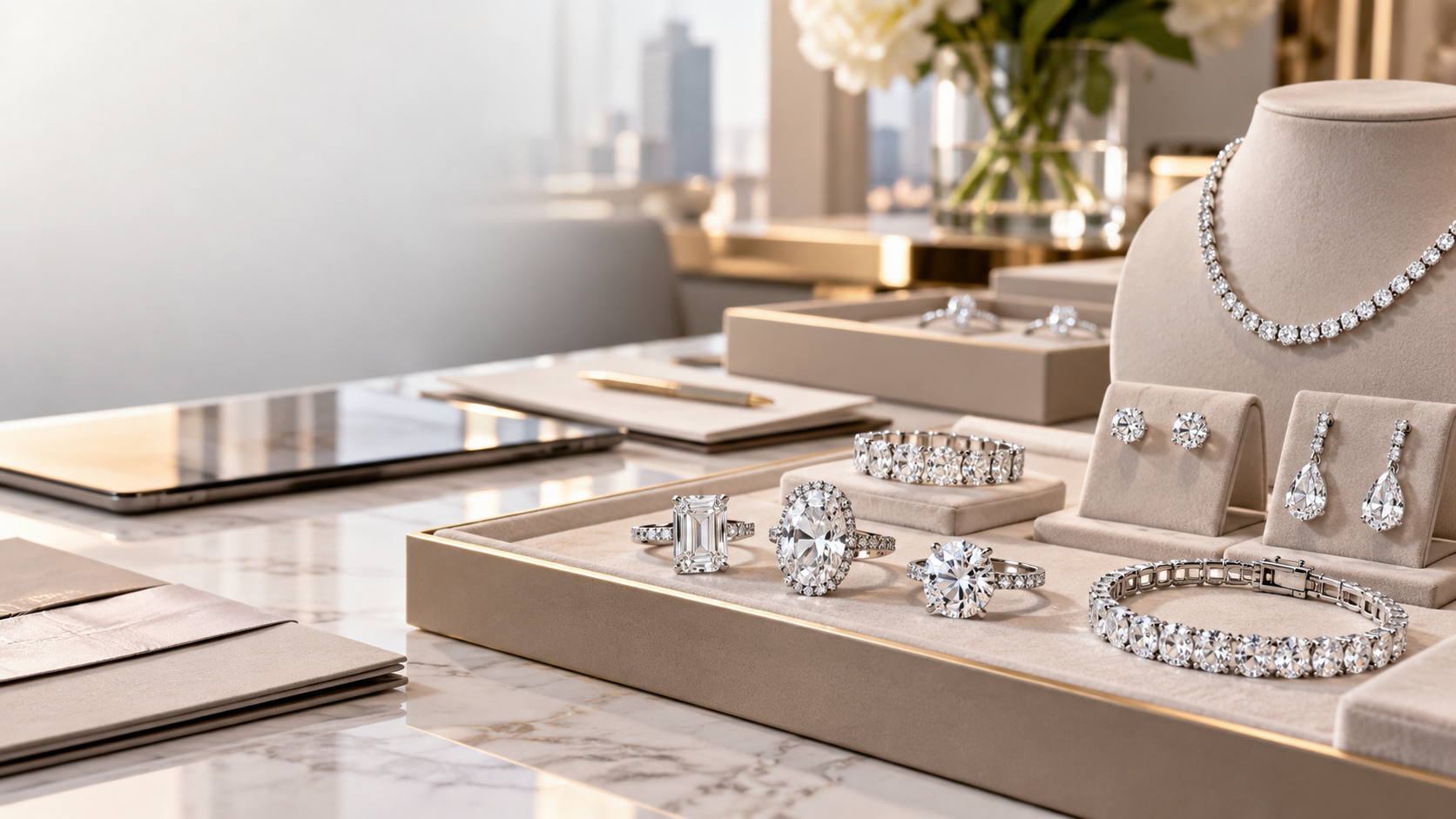
Lab-grown diamond jewelry is creating new opportunities for jewelers, boutiques and e-commerce brands. Discover how wholesale sourcing, private label, custom manufacturing and flexible B2B solutions can help jewelry businesses build stronger collections and grow with Silveroni.
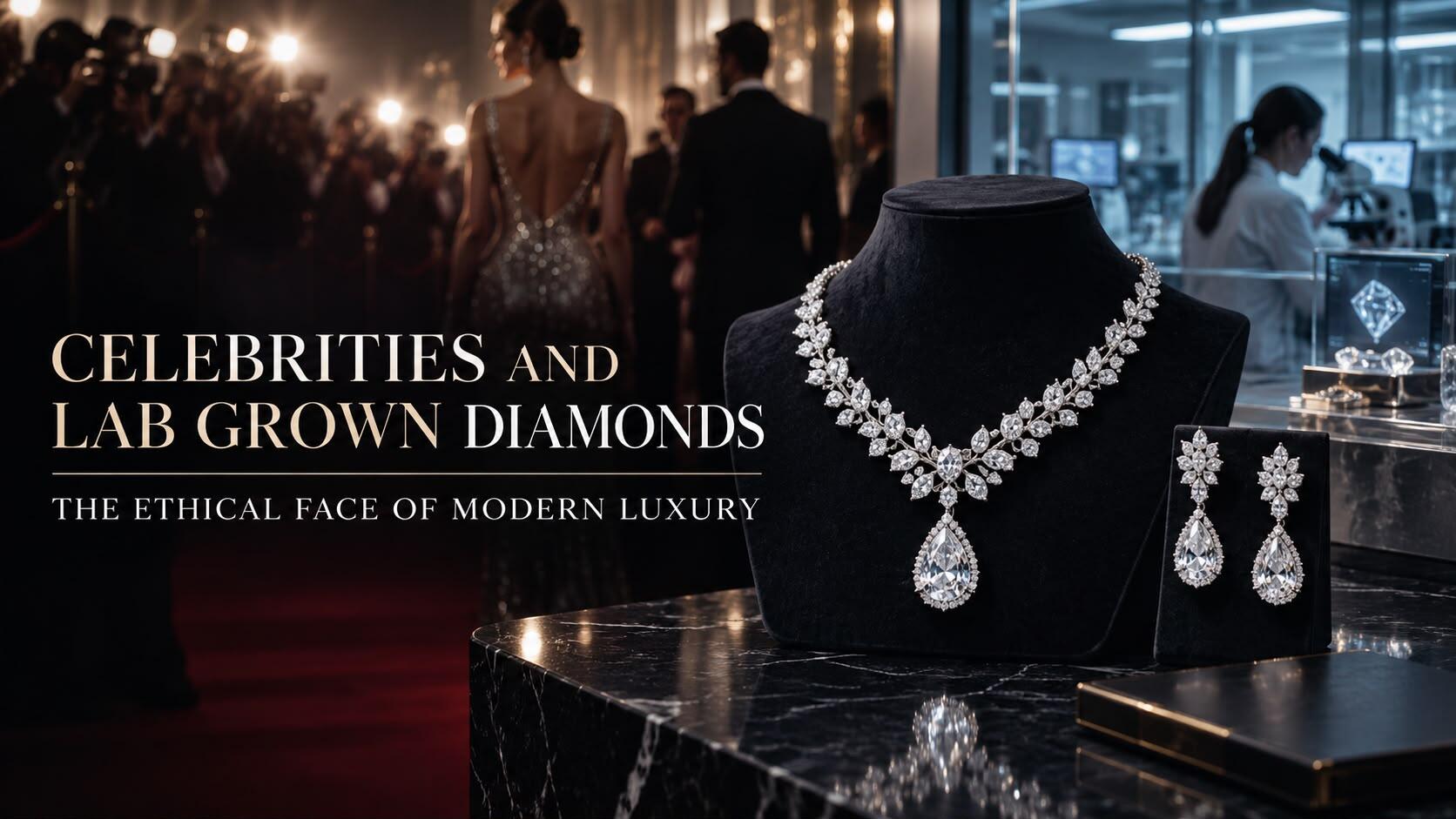
Celebrities and Lab Grown Diamonds: The Ethical Face of Modern Luxury
Lab Grown Diamond
Lab grown diamonds are no longer merely an alternative material in red carpet and stage jewelry. They are becoming part of a new definition of luxury shaped by design, scale, traceability and consumer trust.
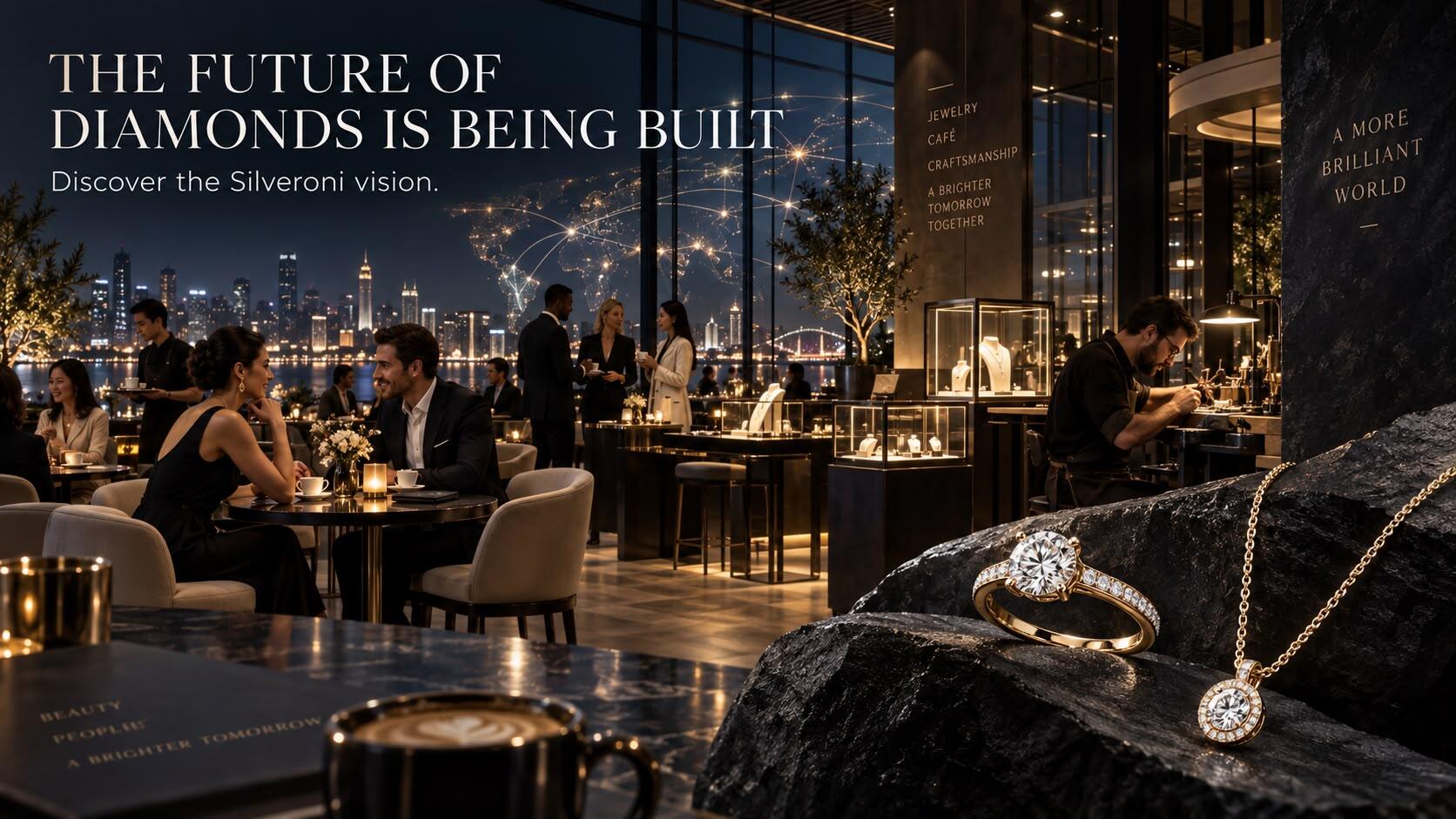
Silveroni is Working Toward That Future
Lab Grown Diamond
The future of jewelry will not be defined by diamonds alone. It will be shaped by the brands that transform diamonds into meaningful products, memorable experiences, and scalable business opportunities. Silveroni is working toward that future—step by step, market by market, and partnership by partnership.
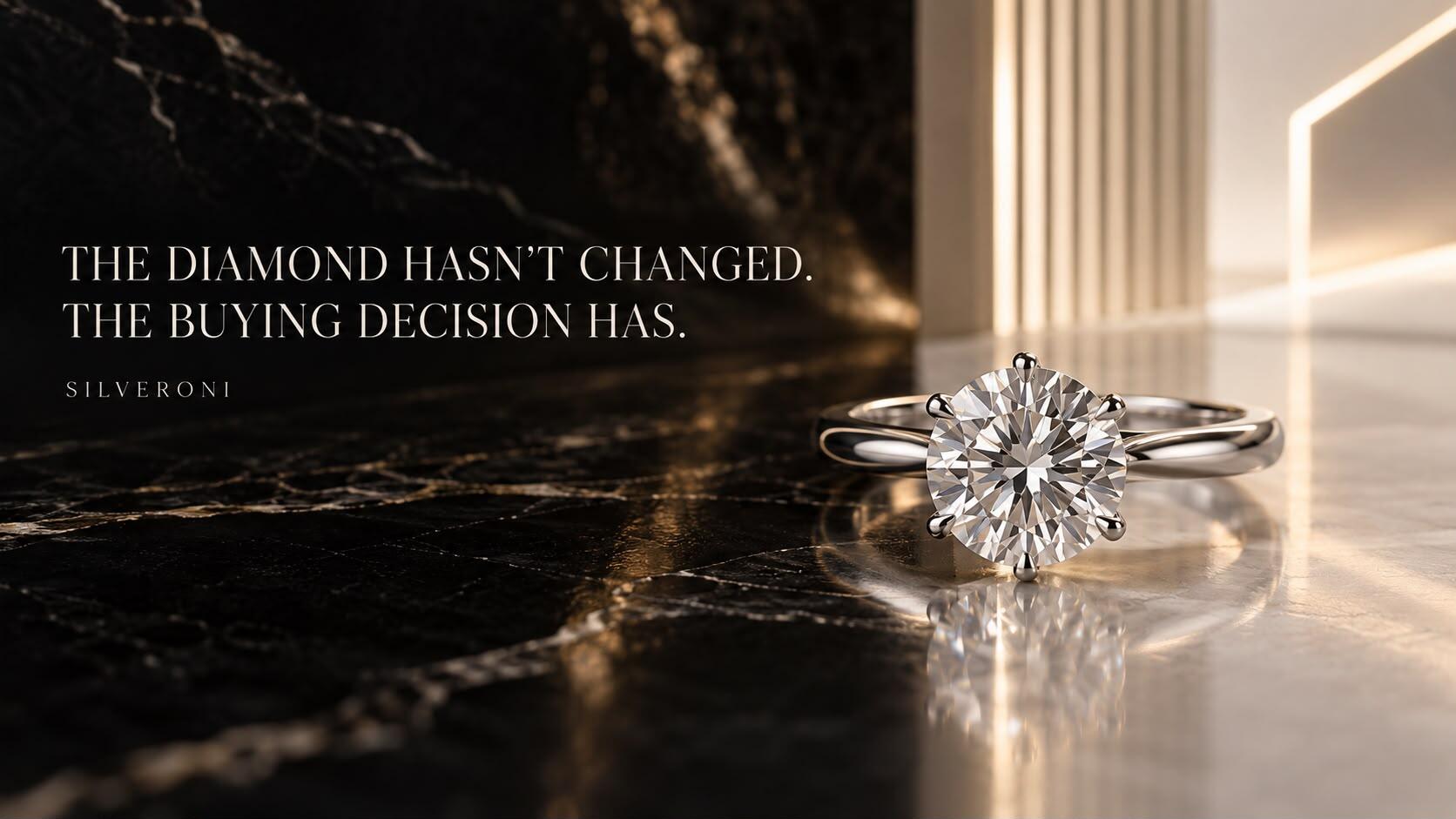
The Diamond Hasn’t Changed. The Buying Decision Has.
Lab Grown Diamond
The New Luxury Question Is No Longer “Is It Real?”
She Bought a Natural Diamond as an Investment. Years Later, She Discovered the Reality of Its Resale Value
Lab Grown Diamond
Imagine a woman who purchased a natural diamond years ago. At the time, she believed she was buying more than a beautiful piece of jewelry. She thought she was putting part of her money into something valuable, something she could keep for years and potentially convert back into cash if she ever needed it.
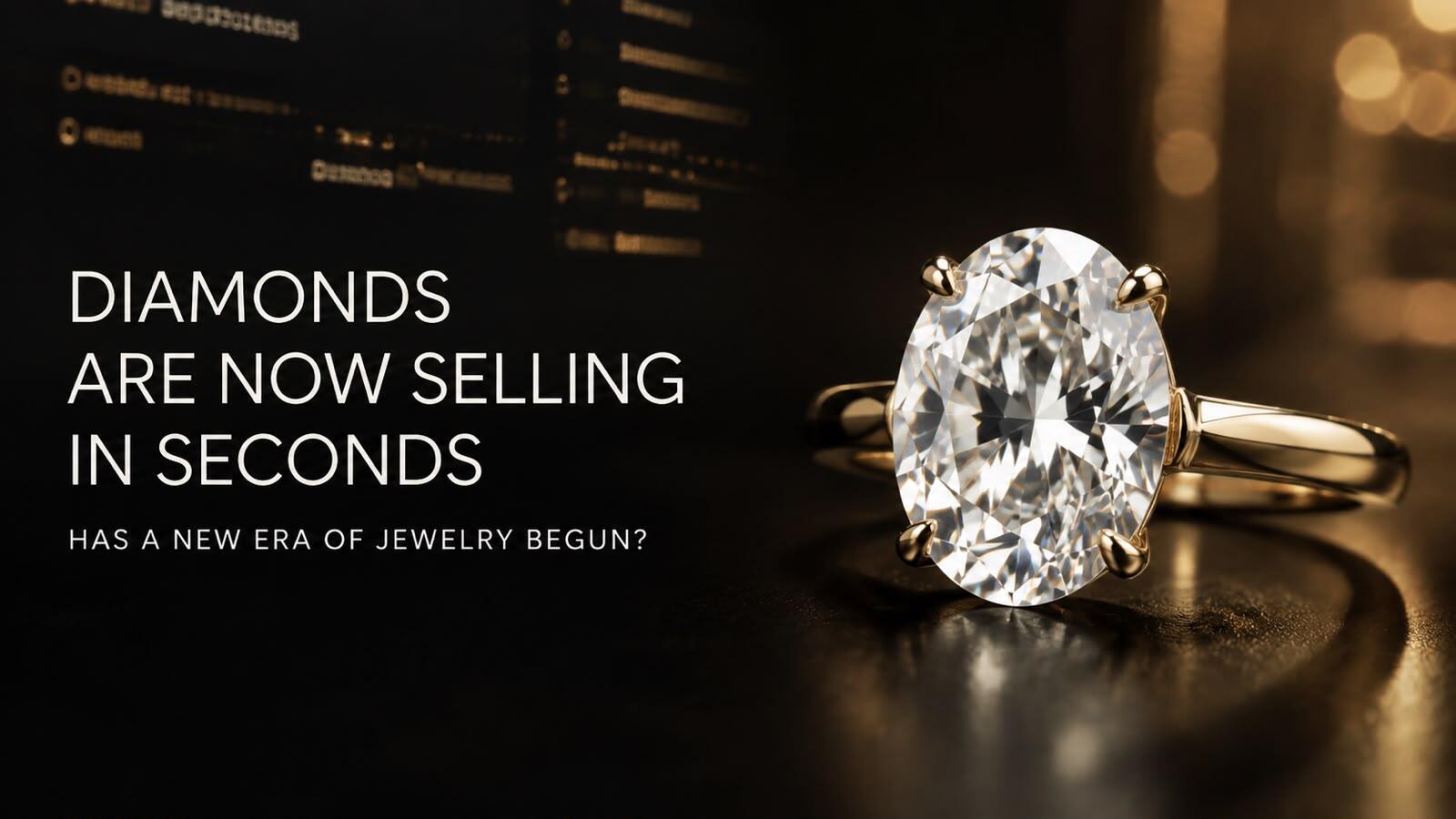
Diamonds Are Now Selling in Seconds on TikTok: Has a New Era of Jewelry Begun?
Lab Grown Diamond
Lab-grown diamonds are everywhere, from TikTok livestreams to luxury jewelry collections. As prices begin to stabilize, how are consumer priorities changing?
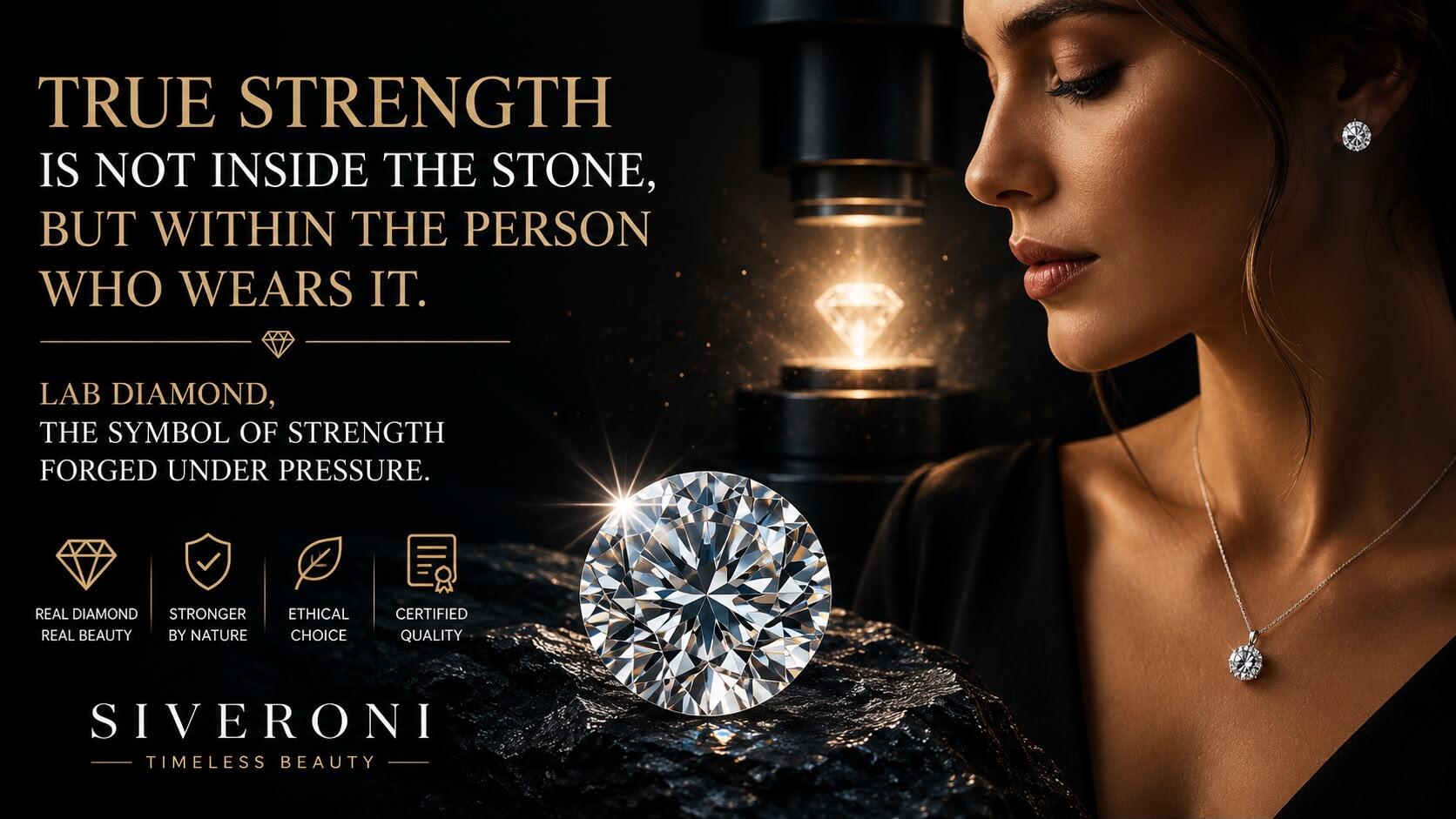
True Strength Is Within You: Why a Lab-Grown Diamond Represents Resilience
Lab Grown Diamond
Discover how lab-grown diamonds symbolize resilience, strength, and modern luxury. Learn why certified lab-grown diamonds represent more than beauty—they reflect perseverance, purpose, and personal values.
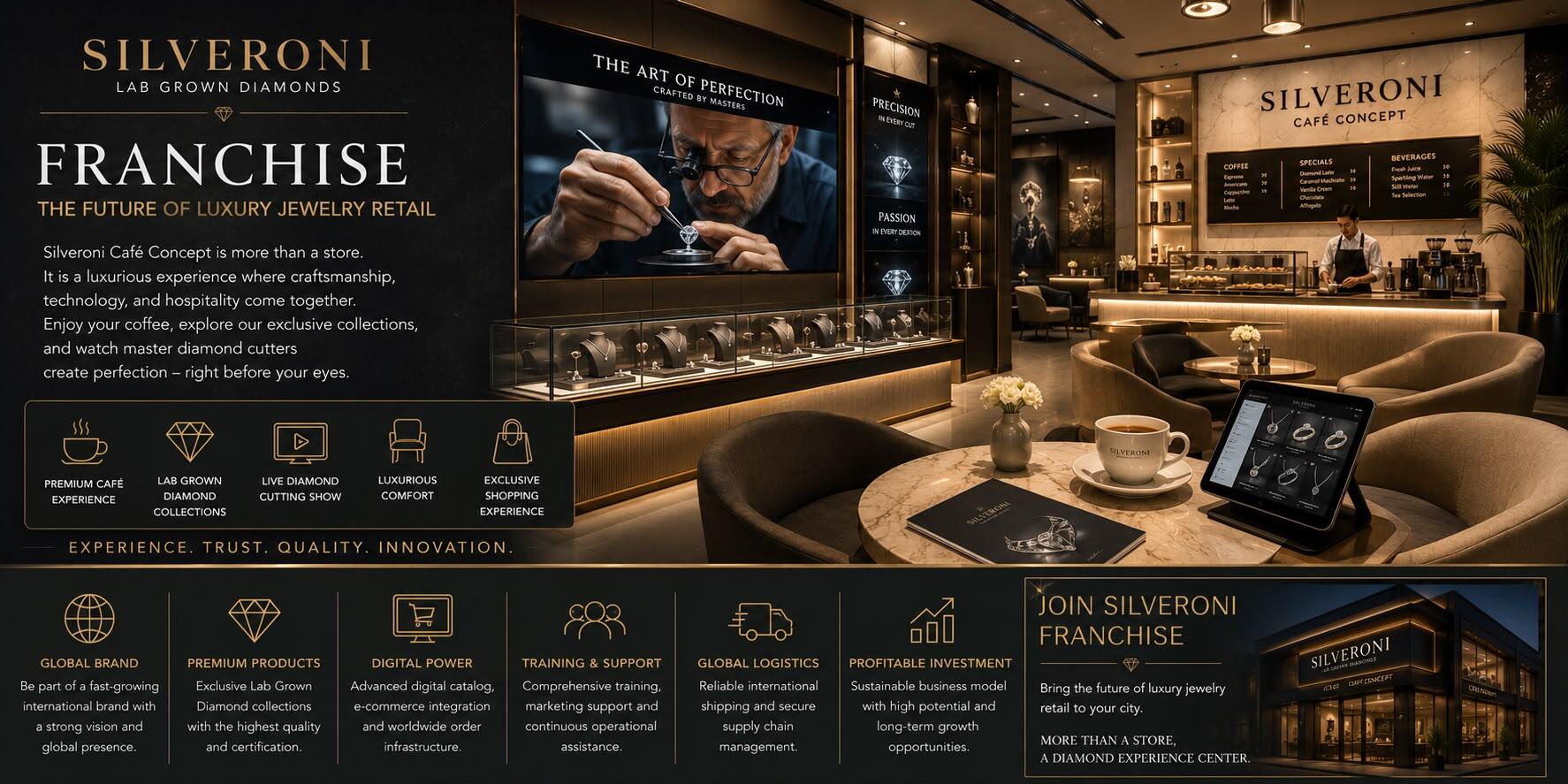
How Silveroni Is Redefining Luxury Jewelry Retail with an Innovative Franchise Concept
Lab Grown Diamond
Discover how Silveroni is transforming luxury jewelry retail with its innovative franchise model that combines premium lab-grown diamonds, café hospitality, immersive customer experiences and modern luxury boutique design.