
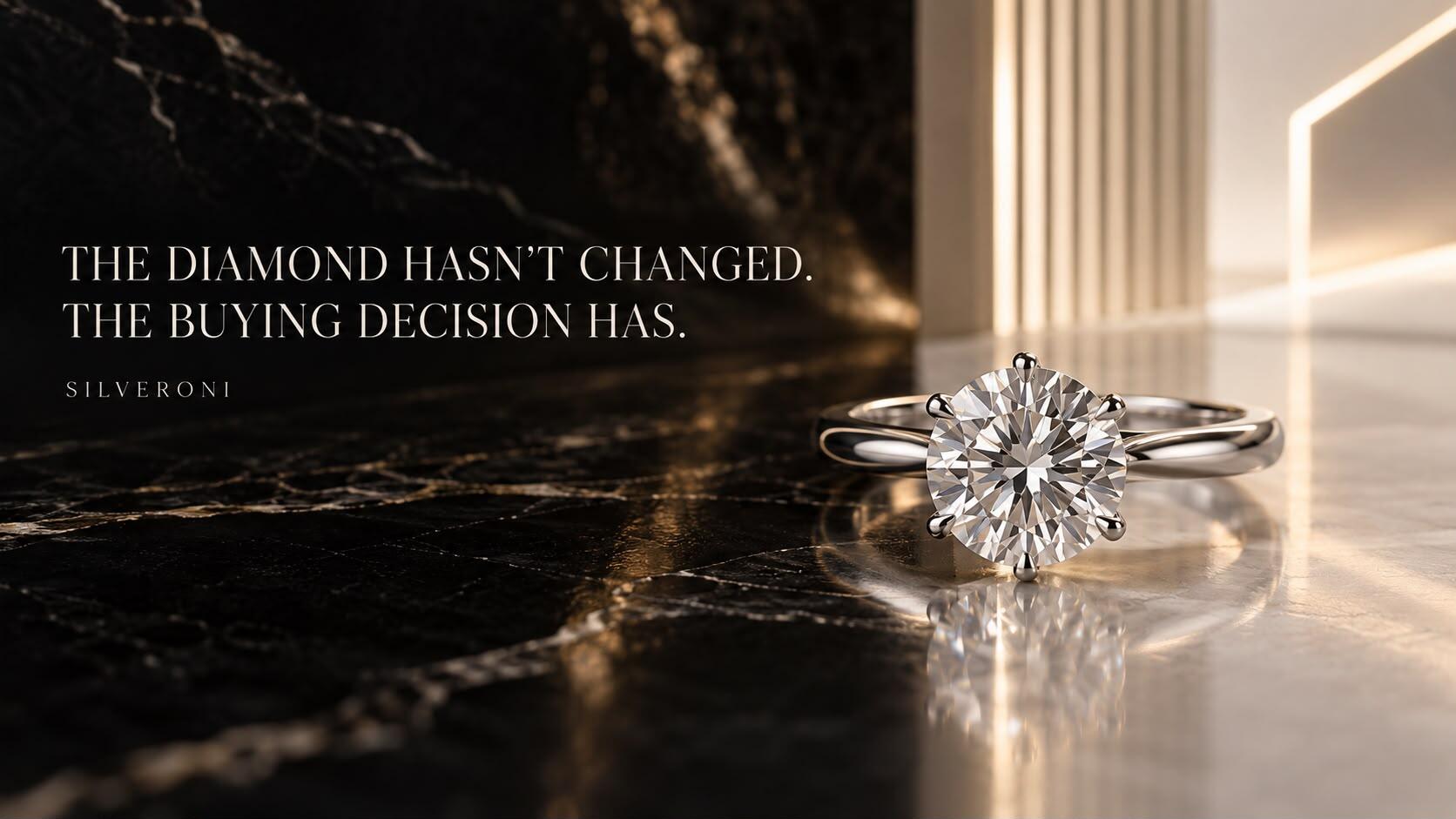
The Diamond Hasn’t Changed. The Buying Decision Has.
The Diamond Hasn’t Changed. The Buying Decision Has.
For generations, buying diamond jewelry followed a familiar script: rarity become value, tradition guided the choice, and the origin of the stone carried much of the story.
That script is being rewritten.
Today’s customer can compare designs, diamond specifications, production methods and prices within minutes. The result is not the end of diamond jewelry. It is the beginning of a more informed and personal way to choose it.
The surprising part is this: the diamond itself has not lost its brilliance. What has changed is what buyers expect that brilliance to represent.
The New Luxury Question Is No Longer “Is It Real?”
Laboratory-grown diamonds are not diamond simulants such as cubic zirconia. According to the Gemological Institute of America, laboratory-grown diamonds possess essentially the same chemical, physical and optical properties as natural diamonds. Their different origin can be identified reliably through professional gemological testing and specialized equipment.
So the modern customer is moving beyond the old question of whether a laboratory-grown diamond is “real.”
The more useful questions are:
Who made the jewelry?
What materials were used?
Is the diamond properly identified?
Is the setting well constructed?
Does the design feel personal?
Is the price transparent and reasonable?
Luxury is becoming less dependent on mystery and more dependent on trust.
A Smaller Price Is Not the Same as a Smaller Moment
An engagement, anniversary or personal achievement does not become less meaningful because the diamond was builded using modern technology.
Emotional value comes from the moment, the person and the intention behind the jewelry. It cannot be measured only by the geological age of the stone.
Laboratory-grown diamonds can allow customers to consider a larger stone, a more distinctive cut or a more detailed setting without following the traditional pricing structure of mined diamonds.
The customer is not necessarily trying to spend less.
The customer may be trying to create more.
The Stone Is No Longer the Entire Product
For many years, diamond jewelry marketing placed nearly all the attention on carat weight, color, clarity and origin. Those details remain important, but modern buyers increasingly evaluate the complete object.
A beautiful diamond cannot rescue weak craftsmanship.
Prongs must be secure. Surfaces must be properly polished. The ring must feel comfortable. The proportions must be balanced. Earrings should sit correctly. A tennis bracelet must move naturally without compromising stone security.
This is where the future of lab-grown diamond jewelry will be decided: not only in laboratories, but also at the design table and the jeweler’s bench.
The Most Expensive Mistake May Be Buying Without Understanding
Neither natural nor laboratory-grown diamond jewelry should automatically be presented as an investment with a guaranteed resale value.
Market prices can change. Retail margins, branding, craftsmanship, certification, condition and secondary-market demand can all influence what a piece may later be worth.
A responsible seller should distinguish emotional value from financial return. Jewelry can mark an irreplaceable moment without pretending to be a guaranteed financial asset.
Transparency does not weaken luxury. It protects it.
Bigger Is Easy. Better Is More Difficult.
Laboratory-grown diamond technology has made larger stones more accessible. But size alone does not create exceptional jewelry.
A successful design requires proportion.
A large center stone needs the correct setting height. Side stones must support rather than compete with it. The band width must provide stability. The profile must balance comfort, durability and appearance.
The opportunity served by laboratory-grown diamonds is not simply “more carats.”
It is greater creative freedom.
The Next Jewelry Brand May Begin Without a Factory
A new generation of jewelry entrepreneurs is entering the market through digital stores, private-label collections and made-to-order business models.
They may understand their audience, visual identity and market position but lack the capital or experience to establish a complete jewelry factory.
This is changing how jewelry brands are built.
A professional B2B partner can support product selection, quotation, private-label presentation, custom-project evaluation, production coordination and international fulfillment. The emerging brand can concentrate on customer relationships and storytelling while qualified specialists manage technical execution.
Silveroni works with professional jewelry businesses through finished 14K and 18K solid-gold lab-grown diamond jewelry, wholesale cooperation, private-label solutions and selected custom projects.
The Future May Belong to Brands That Explain More
The strongest jewelry businesses will not depend on vague language or exaggerated promises.
They will explain what the stone is.
They will disclose whether it is natural or laboratory-grown.
They will communicate gold purity, diamond specifications, certification options, production conditions and delivery expectations clearly.
They will understand that educated customers are not a threat. They are the foundation of a healthier market.
The Final Surprise: Technology Did Not Remove the Emotion
A laboratory can build a diamond.
It cannot create the reason someone chooses it.
That reason still comes from love, celebration, identity, ambition or memory. Technology changes how the stone is formed, but the human story begins only after someone decides what it should mean.
The diamond has not changed.
The buying decision has.
And that may be the most important transformation in modern jewelry.
Frequently Asked Questions
Are laboratory-grown diamonds real diamonds?
Yes. GIA states that laboratory-grown diamonds have essentially the same chemical, physical and optical properties as natural diamonds. They have a different origin and can be distinguished using professional testing.
Are laboratory-grown diamonds the same as cubic zirconia or moissanite?
No. Cubic zirconia and moissanite are different materials. A laboratory-grown diamond is crystallized carbon with diamond properties.
Can laboratory-grown diamonds be certified?
Independent laboratory reports may be available depending on the stone and project. Buyers should confirm the issuing laboratory and exactly what the report covers before ordering.
Does Silveroni offer private-label jewelry?
Silveroni supports eligible professional buyers with private-label, wholesale and selected custom jewelry projects in solid 14K and 18K gold.
Are prices displayed publicly?
Silveroni uses a quotation-led B2B model. Product specifications, quantities, branding requirements and production terms are evaluated before pricing.
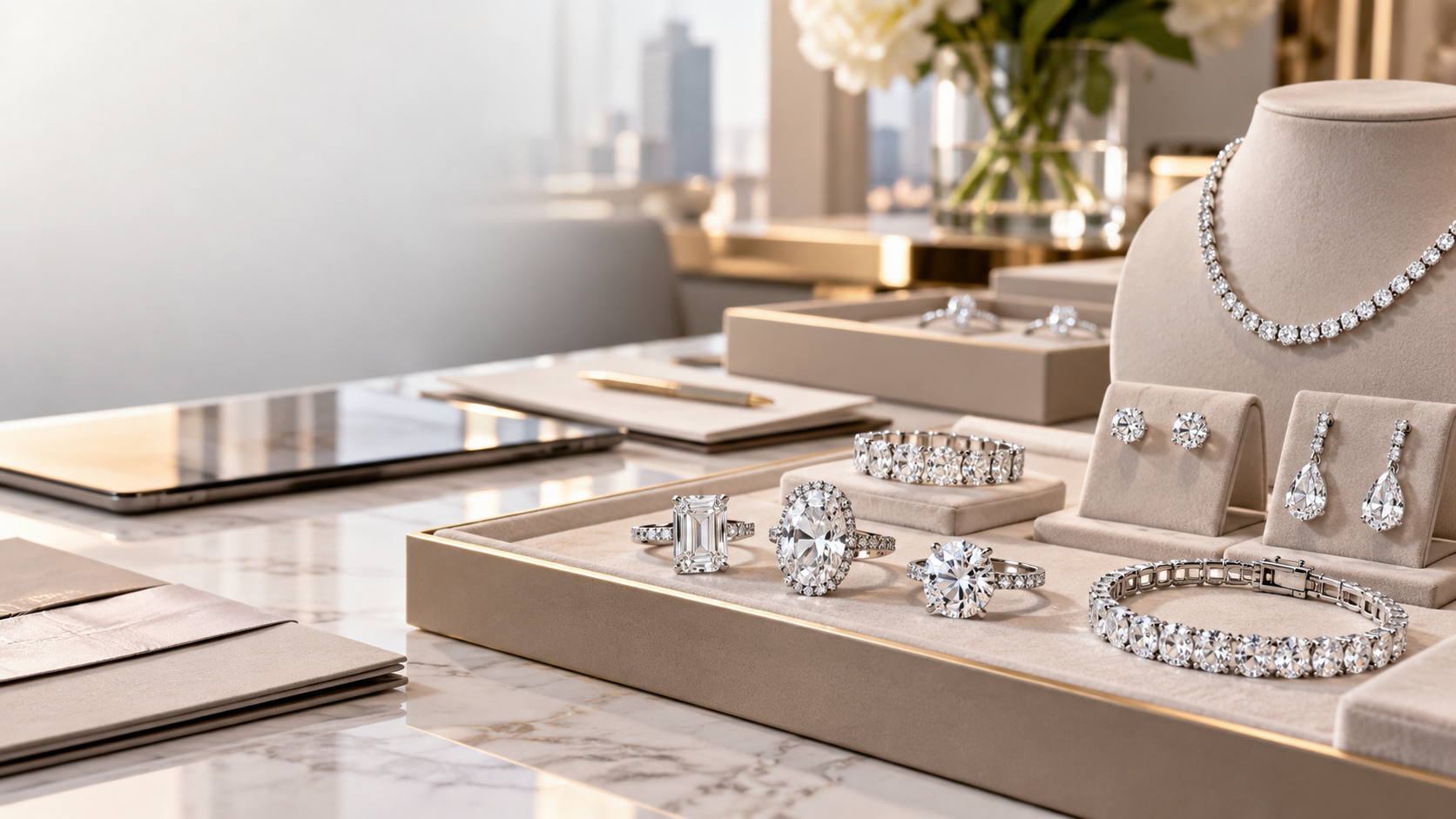
B2B Lab-Grown Diamond Jewelry: Why It Is a Smart Growth Opportunity for Jewelers in 2027
Lab Grown Diamond
Lab-grown diamond jewelry is creating new opportunities for jewelers, boutiques and e-commerce brands. Discover how wholesale sourcing, private label, custom manufacturing and flexible B2B solutions can help jewelry businesses build stronger collections and grow with Silveroni.
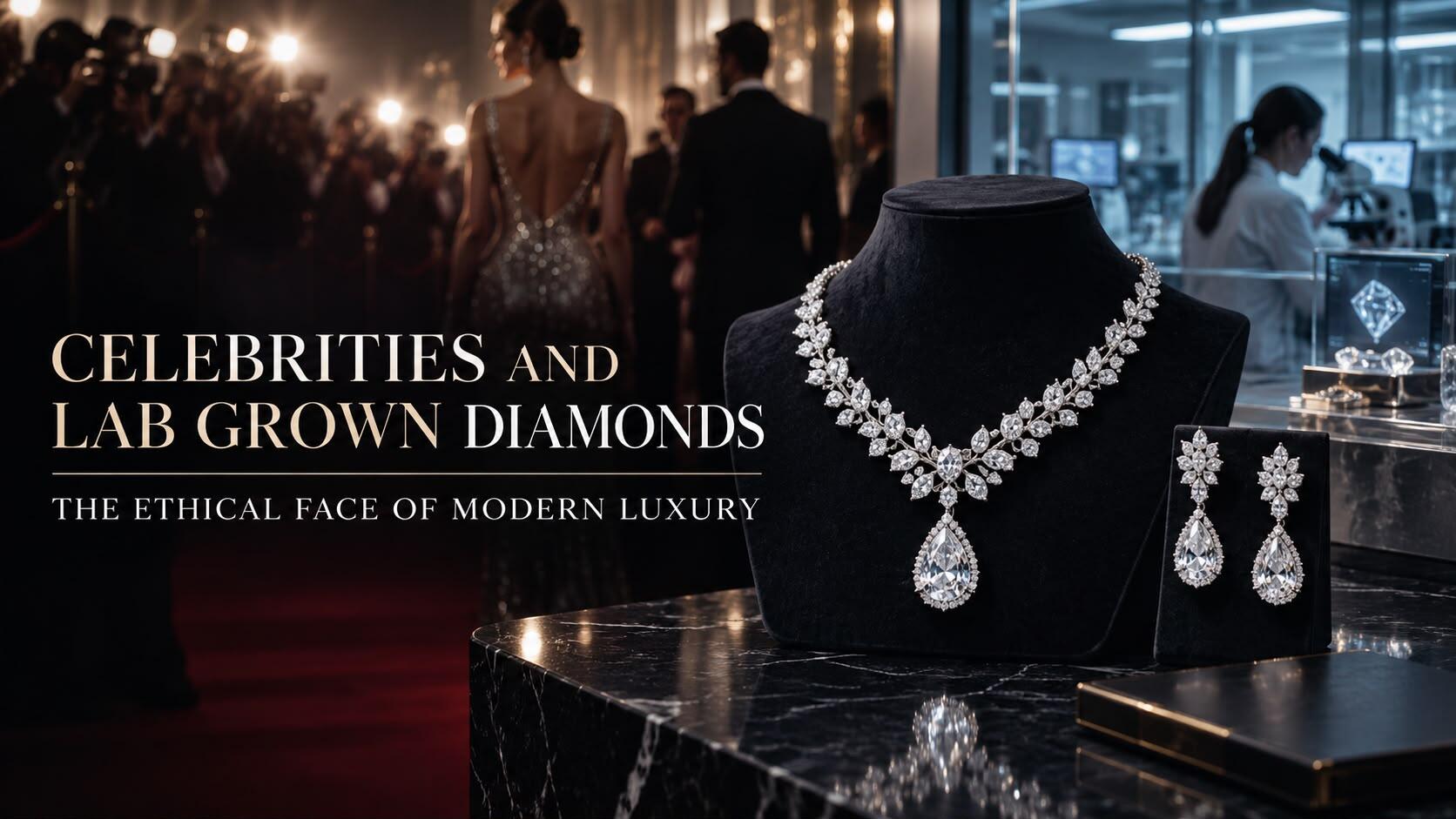
Celebrities and Lab Grown Diamonds: The Ethical Face of Modern Luxury
Lab Grown Diamond
Lab grown diamonds are no longer merely an alternative material in red carpet and stage jewelry. They are becoming part of a new definition of luxury shaped by design, scale, traceability and consumer trust.
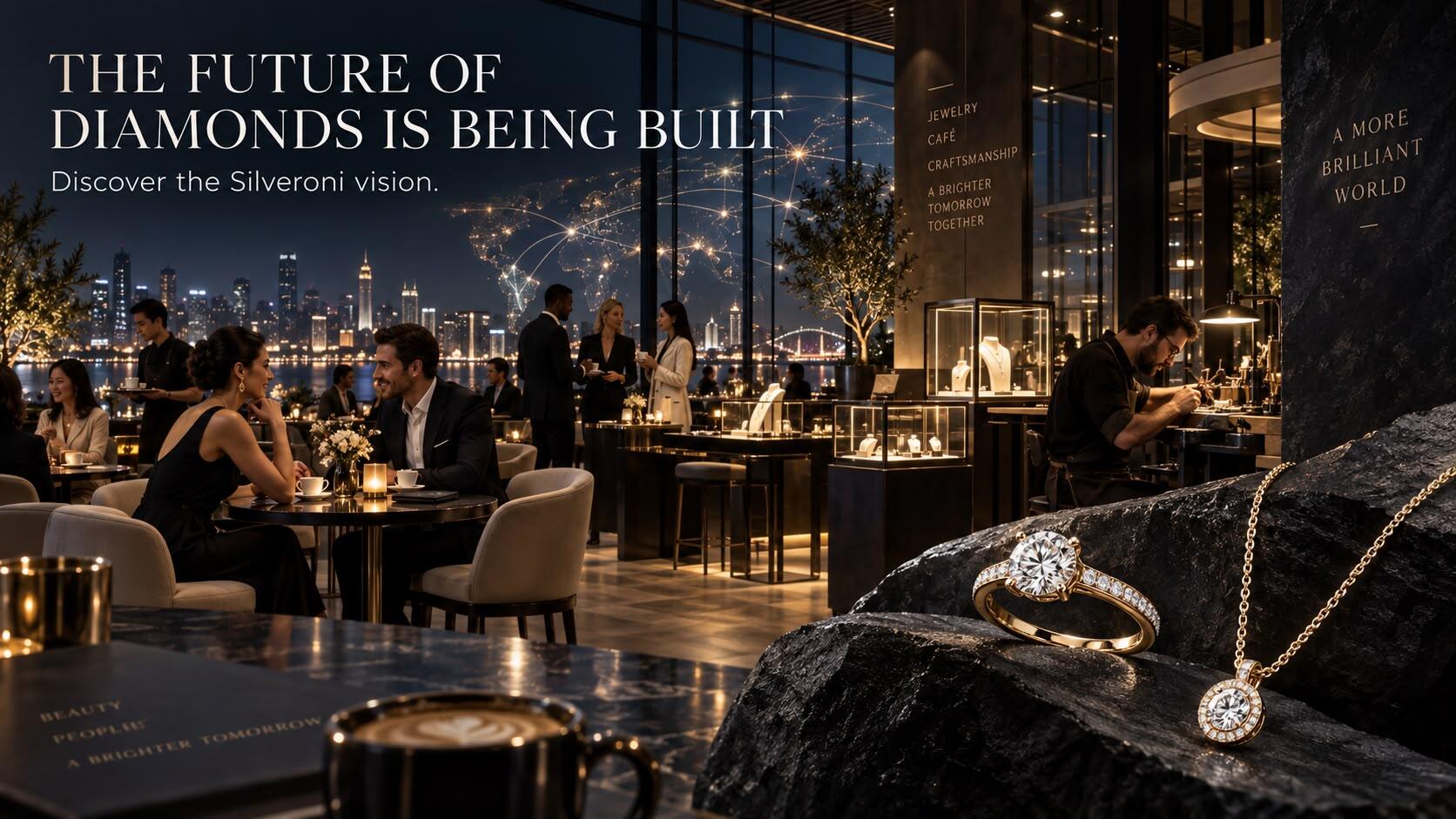
Silveroni is Working Toward That Future
Lab Grown Diamond
The future of jewelry will not be defined by diamonds alone. It will be shaped by the brands that transform diamonds into meaningful products, memorable experiences, and scalable business opportunities. Silveroni is working toward that future—step by step, market by market, and partnership by partnership.
The Diamond Hasn’t Changed. The Buying Decision Has.
Lab Grown Diamond
The New Luxury Question Is No Longer “Is It Real?”
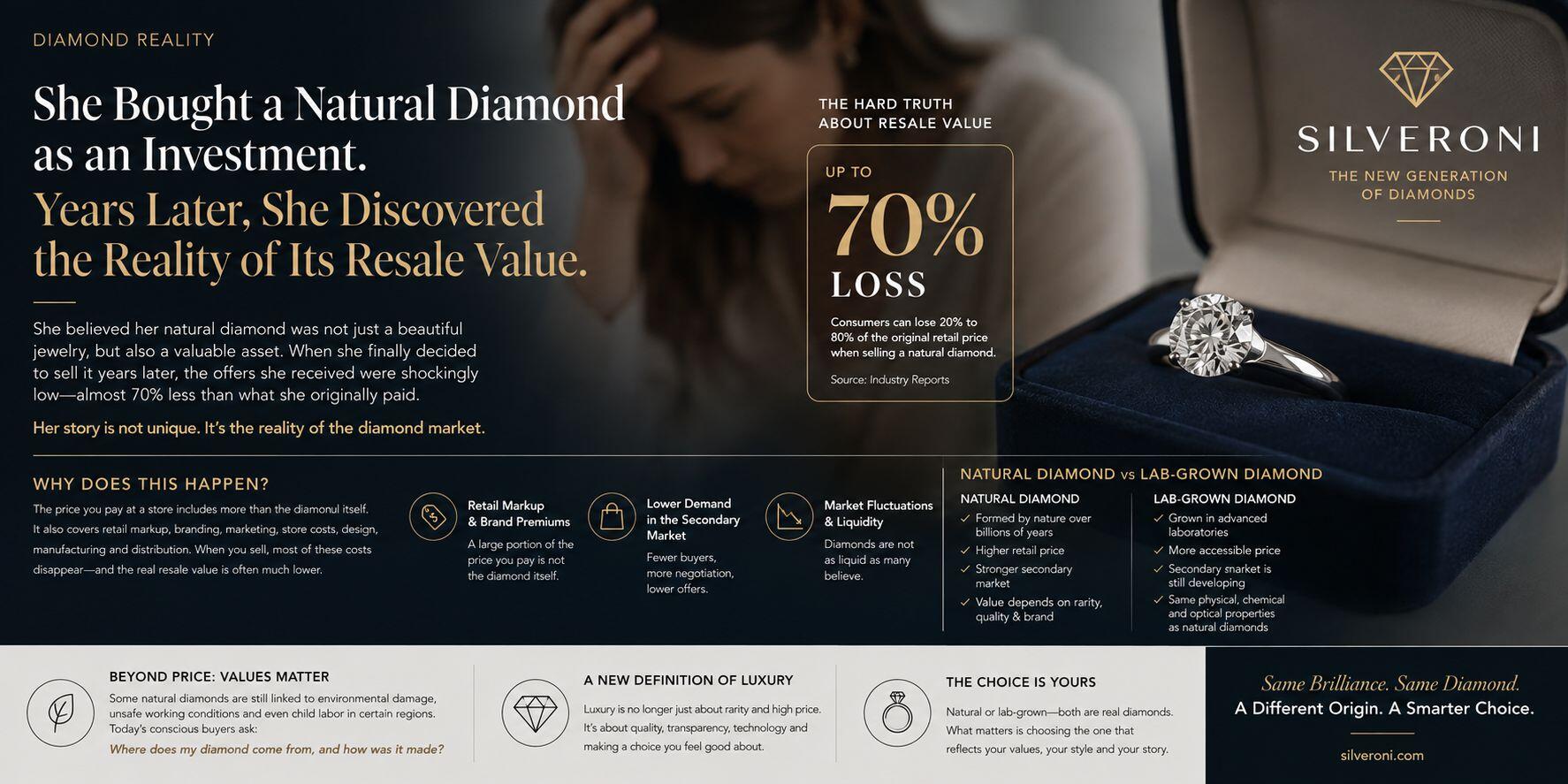
She Bought a Natural Diamond as an Investment. Years Later, She Discovered the Reality of Its Resale Value
Lab Grown Diamond
Imagine a woman who purchased a natural diamond years ago. At the time, she believed she was buying more than a beautiful piece of jewelry. She thought she was putting part of her money into something valuable, something she could keep for years and potentially convert back into cash if she ever needed it.
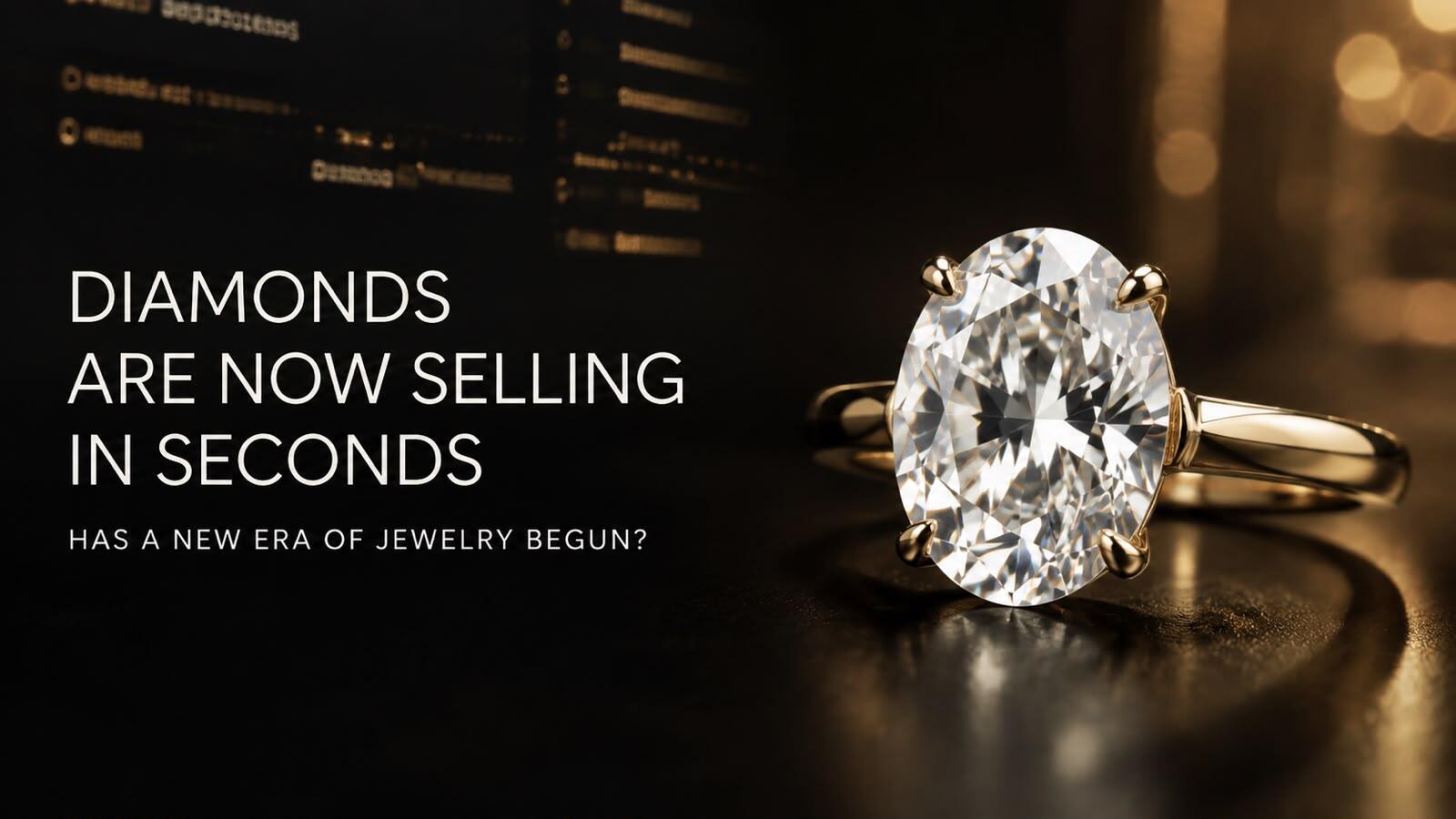
Diamonds Are Now Selling in Seconds on TikTok: Has a New Era of Jewelry Begun?
Lab Grown Diamond
Lab-grown diamonds are everywhere, from TikTok livestreams to luxury jewelry collections. As prices begin to stabilize, how are consumer priorities changing?
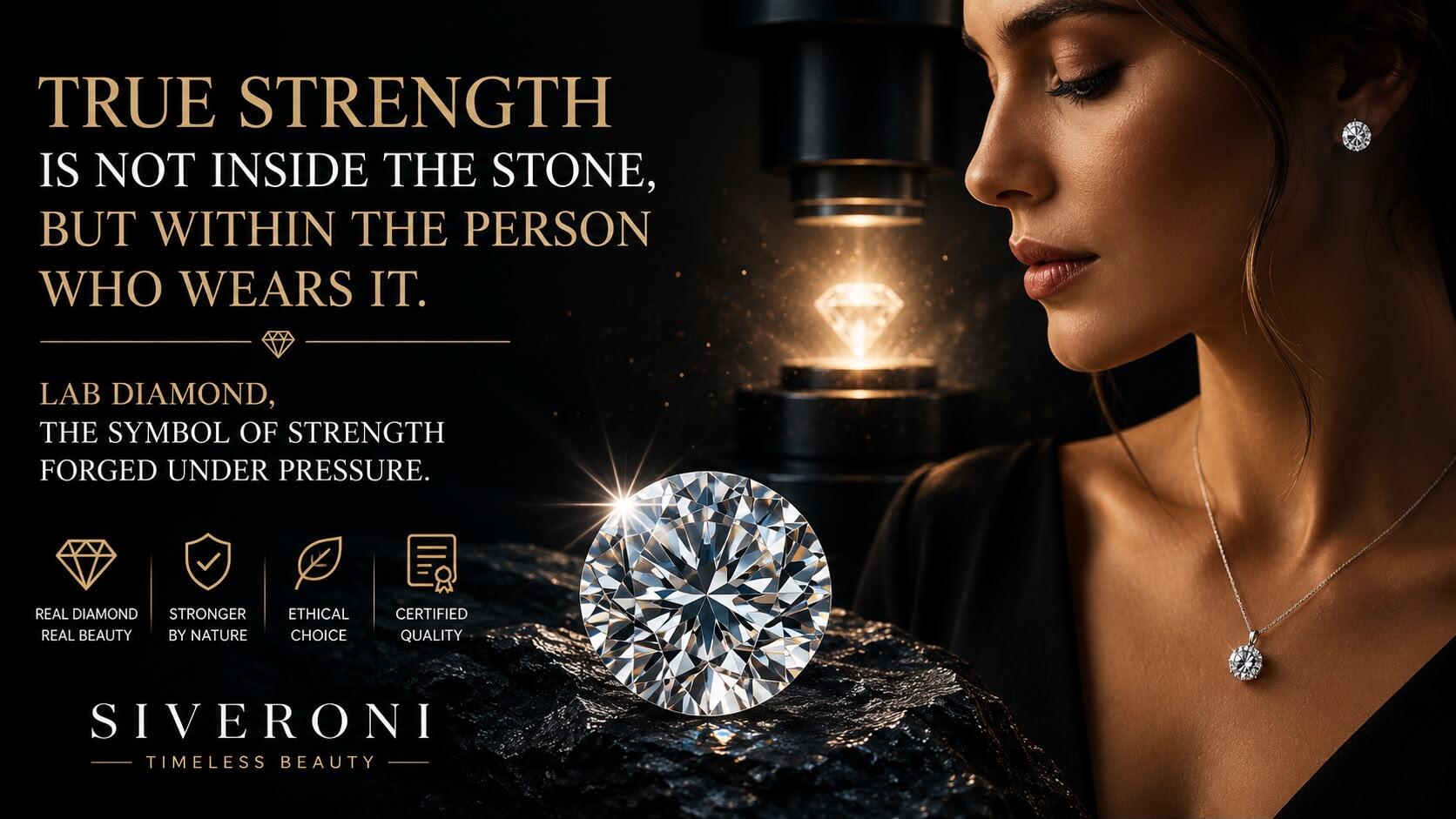
True Strength Is Within You: Why a Lab-Grown Diamond Represents Resilience
Lab Grown Diamond
Discover how lab-grown diamonds symbolize resilience, strength, and modern luxury. Learn why certified lab-grown diamonds represent more than beauty—they reflect perseverance, purpose, and personal values.
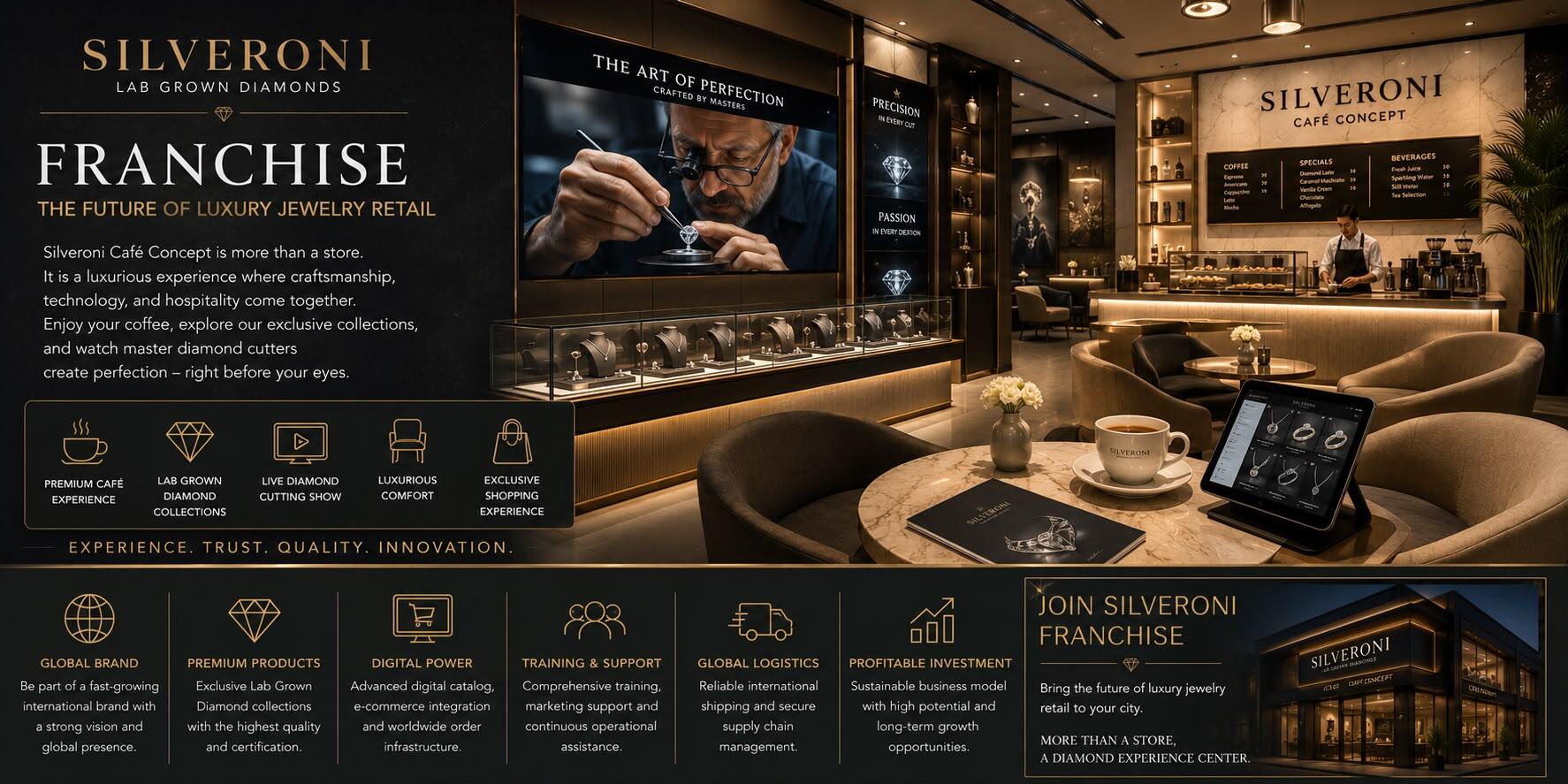
How Silveroni Is Redefining Luxury Jewelry Retail with an Innovative Franchise Concept
Lab Grown Diamond
Discover how Silveroni is transforming luxury jewelry retail with its innovative franchise model that combines premium lab-grown diamonds, café hospitality, immersive customer experiences and modern luxury boutique design.