
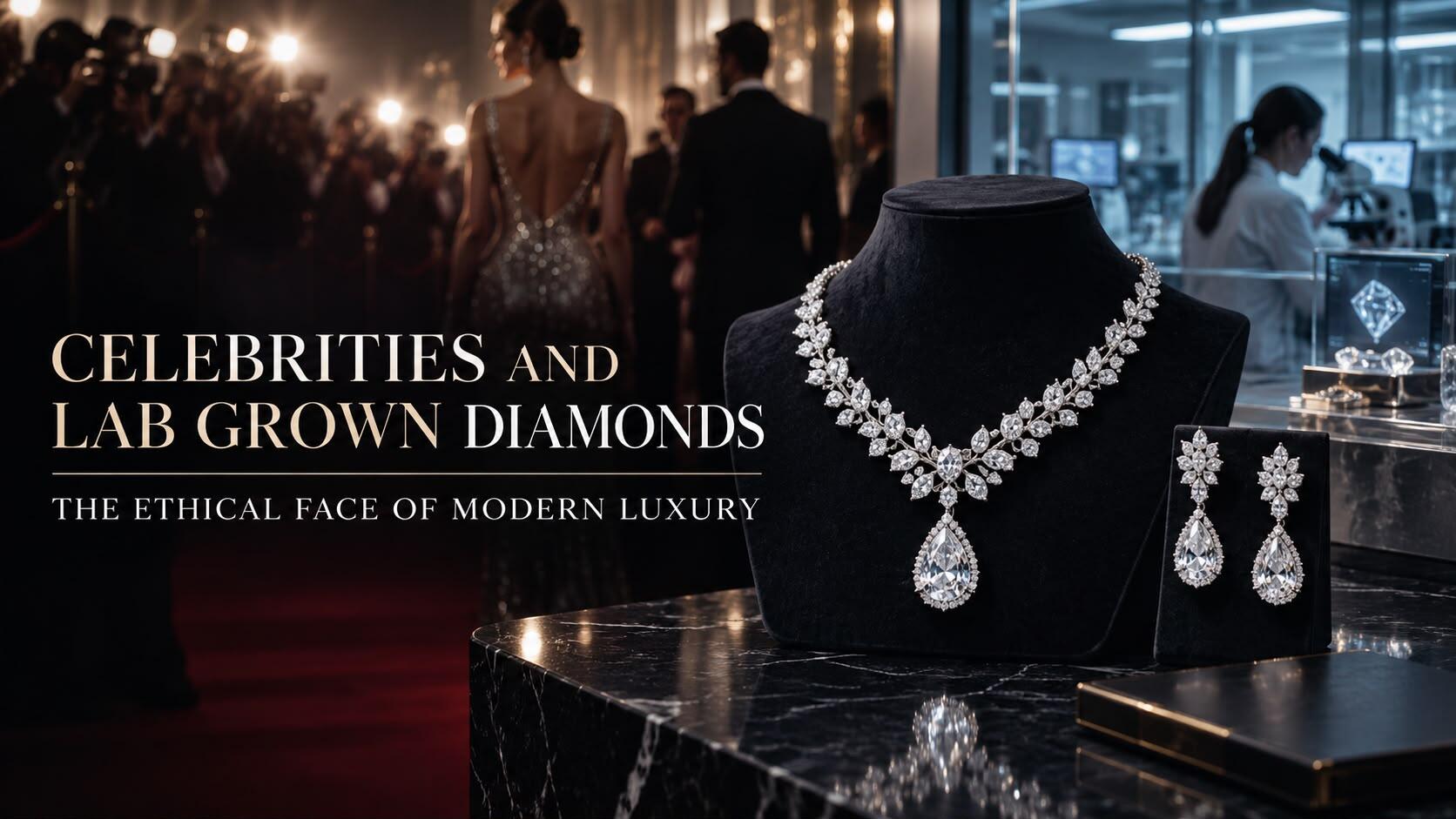
Celebrities and Lab Grown Diamonds: The Ethical Face of Modern Luxury
Celebrities and Lab Grown Diamonds: The Ethical Face of Modern Luxury
Transparency, traceability and responsible production through the jewelry choices of Taylor Swift, Pamela Anderson, Billie Eilish and PinkPantheress
21 September 2026 | Peyda Çetin, Founder of Silveroni
Lab grown diamonds are no longer merely an alternative material in red carpet and stage jewelry. They are becoming part of a new definition of luxury shaped by design, scale, traceability and consumer trust.
However, the term lab grown does not by itself guarantee ethical or low carbon production. Energy sources, metal sourcing, working conditions, independent grading and accurate product disclosure must be considered together.
A changing diamond story on the red carpet
A jewel is no longer judged only by its carat weight. Some of the world’s most visible artists and actors are increasingly assessed not only for their design choices but also for the origin of the stones and the production story behind the brand.
This shift has moved lab grown diamonds from the margins of fashion coverage into the center of the contemporary luxury conversation.
Taylor Swift has worn VRAI pieces in several public appearances. Pamela Anderson appeared at the 2024 Met Gala in custom pink lab grown diamond jewelry created for Pandora. PinkPantheress wore Pandora’s 68 carat Infinite necklace at the 2026 Grammy Awards, while Billie Eilish and FINNEAS collaborated with John Hardy on a collection featuring lab grown diamonds.
These moments reflect different sides of the same trend. The story is no longer only about a famous name. It is also about the visibility of sourcing, design and reuse.
Notable artists and the jewelry they wore
Taylor Swift has appeared in VRAI Solitaire Studs, Drop Ear Jackets and other diamond pieces. Her choices show that lab grown diamonds can move naturally between everyday personal style and major international events.
Pamela Anderson wore two long necklaces and a brooch featuring nearly 200 carats of pink lab grown diamonds at the 2024 Met Gala. The custom Pandora pieces demonstrated that laboratory grown stones can achieve the visual scale and craftsmanship associated with high jewelry.
At the 2026 Grammy Awards, PinkPantheress wore Pandora’s Infinite necklace in 14K white gold. The necklace featured approximately 68 carats of lab grown diamonds and was accompanied by a matching bracelet and ring. The appearance connected a new generation of pop culture with design led laboratory grown jewelry.
Billie Eilish and FINNEAS entered a creative partnership with John Hardy for the JH Lovestruck collection. The designs included lab grown diamonds and placed production values alongside artistic identity and contemporary design.
At the 2026 Academy Awards, Odessa A’zion wore a 148 carat Pandora necklace set that had previously been worn by Pamela Anderson. The decision gave the jewelry a second major red carpet appearance and presented reuse as a conscious luxury choice rather than a loss of exclusivity.
These examples are based on published fashion and culture coverage. Unless explicitly disclosed, a celebrity wearing a jewel should not be interpreted as a paid endorsement or approval of every sustainability claim made by the brand.
Why celebrity behavior matters
Celebrities influence not only what consumers consider beautiful but also what they perceive as normal and desirable.
When lab grown diamonds appear at an awards ceremony, during a concert tour or at another high profile event, they become a legitimate part of contemporary luxury rather than an opposing category to traditional jewelry.
The strongest example is not simply wearing a new product. Reusing the same jewelry at another event, disclosing its origin, clearly identifying the stones as lab grown and choosing designs intended for long term use offer a more meaningful model of responsible behavior.
Odessa A’zion’s reuse of Pandora necklaces previously worn by Pamela Anderson therefore carries significance beyond the carat count. Luxury does not have to be disposable.
Competition among major brands and supply chains
Pandora, VRAI, John Hardy, Kimaï, Brilliant Earth, Swarovski Created Diamonds and Dorsey are making lab grown diamonds visible through different market positions.
Some emphasize scale and accessibility. Others focus on vertical integration and traceability, while design led brands are building their identities through craftsmanship and cultural collaborations.
This variety shows that lab grown diamonds no longer belong to a single consumer segment.
Competition within the supply chain is no longer based only on the price of the stone. Brands are increasingly differentiated by whether they disclose the CVD or HPHT production method, verify their energy sources, monitor labor conditions in cutting and polishing facilities, document their gold sourcing, provide independent grading and offer reliable after sales service.
The real value for a jewelry business lies in connecting the story of the raw material with consistent finished product quality.
Why lab grown diamonds matter in the ethical debate
According to the Gemological Institute of America, lab grown diamonds have essentially the same chemical composition, crystal structure and optical and physical properties as natural diamonds.
Their fundamental difference is their origin. Specialized gemological laboratories can identify that origin through advanced testing. Accurate disclosure and independent grading are therefore essential to consumer confidence.
Lab grown production offers an important opportunity because producing the diamond itself does not require the development of a new diamond mine. A controlled manufacturing environment can also make parts of the production chain easier to document and trace.
Even so, lab grown is not automatically synonymous with ethical.
Electricity generated from fossil fuels, unclear cutting and polishing conditions, unverified environmental claims or metals without documented sourcing can materially change the overall environmental and social impact of a finished jewel.
Consumers and professional buyers should ask six essential questions.
1. Was the diamond produced through the CVD or HPHT method?
2. Is the source of the electricity used in production disclosed?
3. Is an independent grading report available?
4. Can the origin or recycled content of the gold be verified?
5. Are working conditions in cutting, polishing and jewelry assembly facilities audited?
6. Is the product clearly disclosed as lab grown?
Real consumer value comes from transparency and design
The possibility of obtaining a larger carat size at a more accessible price is one of the visible benefits of lab grown diamonds.
Long term confidence, however, depends on accurate color and clarity assessment, good cutting, secure settings, reliable warranties and professional care.
It is not appropriate to assume that a lab grown diamond will have the same resale profile as a natural diamond. A purchase decision should therefore be based on design, personal use and verifiable quality rather than an investment promise.
This approach also gives brands a stronger basis for communication.
Measurable information is more credible than broad and unsupported expressions such as environmentally friendly. Trust grows when a brand clearly discloses the origin of the stone, its production method and grading, documents its metal sourcing and designs jewelry that can be maintained and repaired.
A Thailand based production perspective
Thailand is an important international production center with a long established tradition in gemstone processing and jewelry craftsmanship.
Founded in 2016, Thailand based Silveroni Company Limited operates a business to business private label model focused on 14K and 18K gold jewelry, primarily using CVD lab grown diamonds. Independent grading options are available for eligible products and projects.
Silveroni works with jewelry businesses seeking private label production, product development and international supply solutions. Its approach combines technical product specifications, accurate disclosure, quality control and transparent communication throughout the sourcing and production process.
In this model, an ethical claim must rest on more than a slogan. It requires verifiable information, responsible production decisions and clear communication with the customer.
Modern luxury must be verifiable
Celebrity visibility sends a powerful cultural signal, but red carpet appearances alone will not determine the future of the jewelry sector.
Lasting change depends on whether brands can provide evidence of traceable sourcing, accurate product disclosure, responsible energy and metal choices, independent verification and durable design.
With responsible production and communication, lab grown diamonds can contribute to a more transparent jewelry ecosystem.
The new measure of ethical luxury may begin with the question, “Who wore it?”
The decisive question, however, is more important.
“How was this jewel made, and can that claim be verified?”
Sources
Google Search Central
GIA: The Difference Between Natural and Laboratory Grown Diamonds
Page Six Style: Taylor Swift and VRAI Jewelry
InStyle: Pamela Anderson and Pandora at the 2024 Met Gala
Cosmopolitan: PinkPantheress at the 2026 Grammy Awards
Esquire: Billie Eilish, FINNEAS and John Hardy
People: Odessa A’zion and Reworn Pandora Jewelry
Pandora Sustainability
Silveroni Company Limited
Peyda Çetin, Founder
Celebrities and Lab Grown Diamonds: The Ethical Face of Modern Luxury
Lab Grown Diamond
Lab grown diamonds are no longer merely an alternative material in red carpet and stage jewelry. They are becoming part of a new definition of luxury shaped by design, scale, traceability and consumer trust.
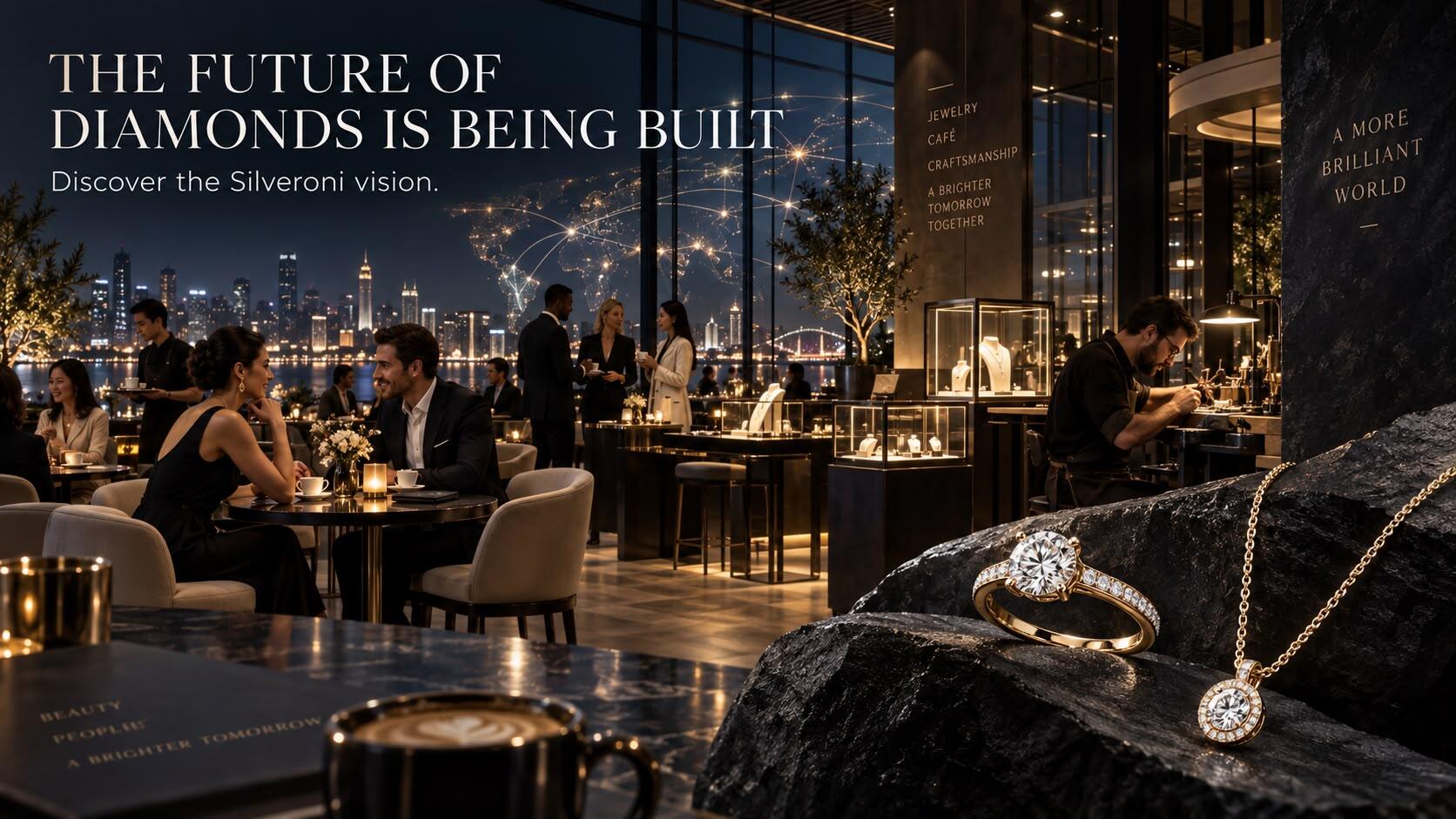
Silveroni is Working Toward That Future
Lab Grown Diamond
The future of jewelry will not be defined by diamonds alone. It will be shaped by the brands that transform diamonds into meaningful products, memorable experiences, and scalable business opportunities. Silveroni is working toward that future—step by step, market by market, and partnership by partnership.
The Diamond Hasn’t Changed. The Buying Decision Has.
Lab Grown Diamond
The New Luxury Question Is No Longer “Is It Real?”
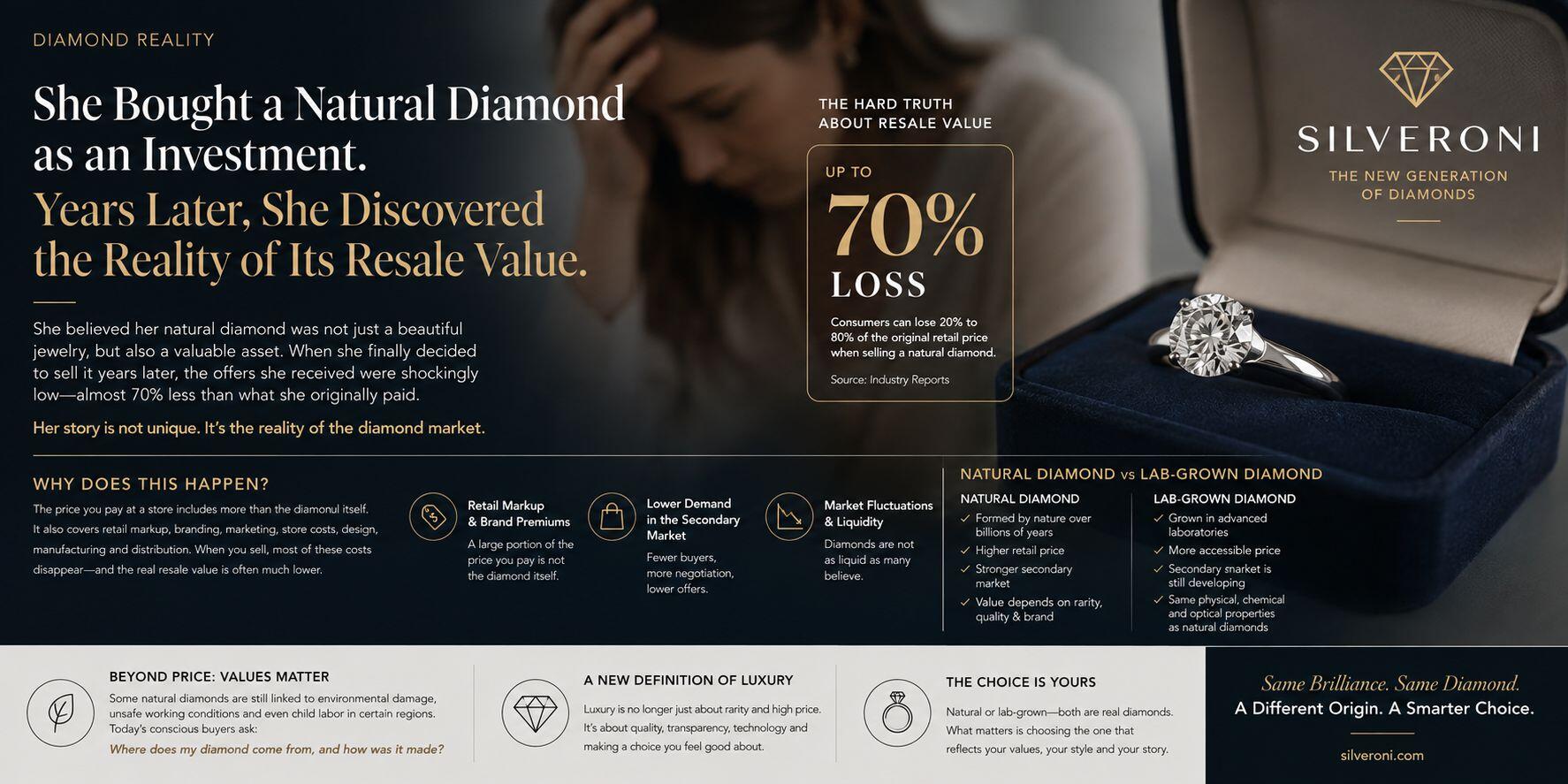
She Bought a Natural Diamond as an Investment. Years Later, She Discovered the Reality of Its Resale Value
Lab Grown Diamond
Imagine a woman who purchased a natural diamond years ago. At the time, she believed she was buying more than a beautiful piece of jewelry. She thought she was putting part of her money into something valuable, something she could keep for years and potentially convert back into cash if she ever needed it.
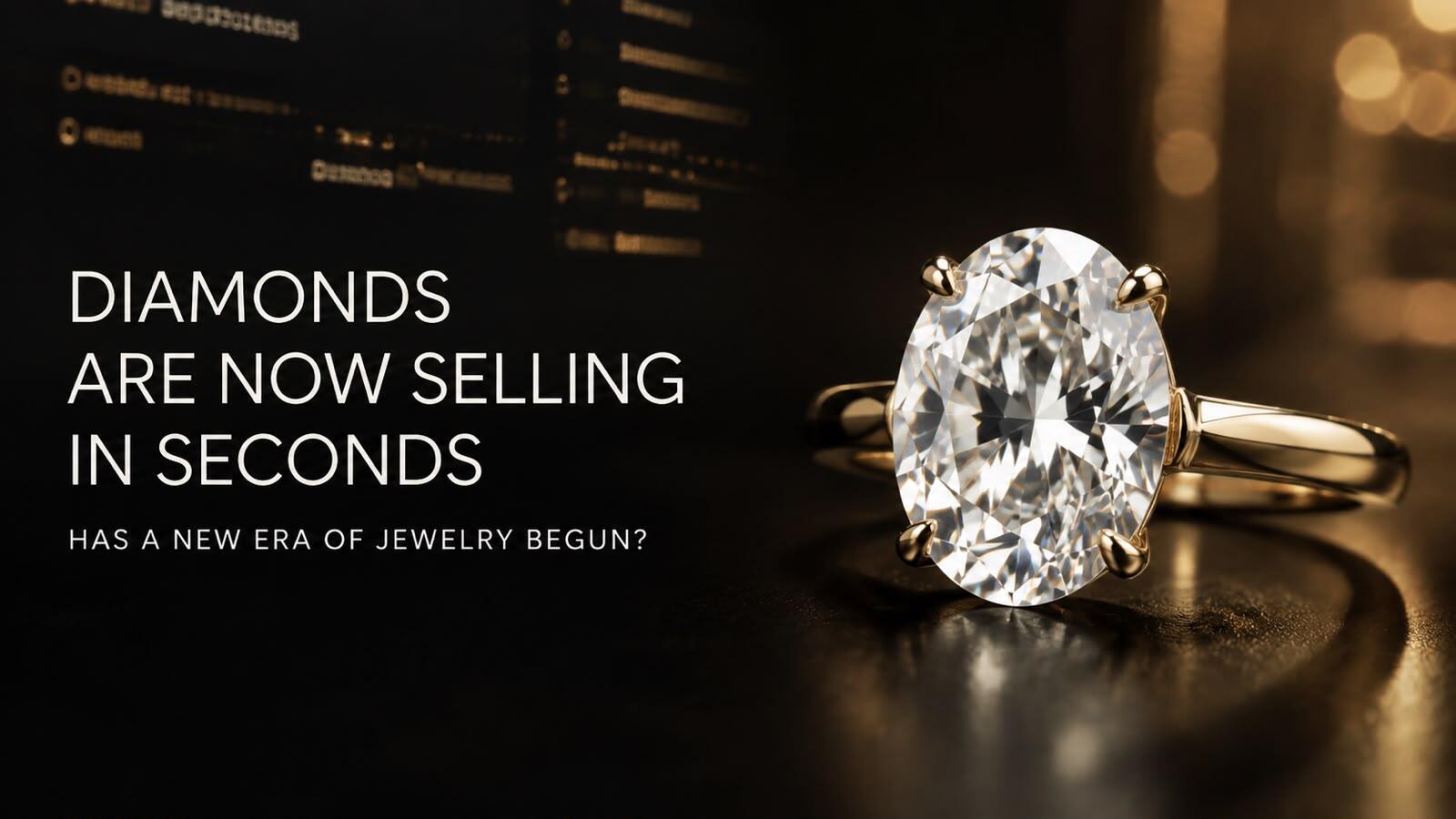
Diamonds Are Now Selling in Seconds on TikTok: Has a New Era of Jewelry Begun?
Lab Grown Diamond
Lab-grown diamonds are everywhere, from TikTok livestreams to luxury jewelry collections. As prices begin to stabilize, how are consumer priorities changing?
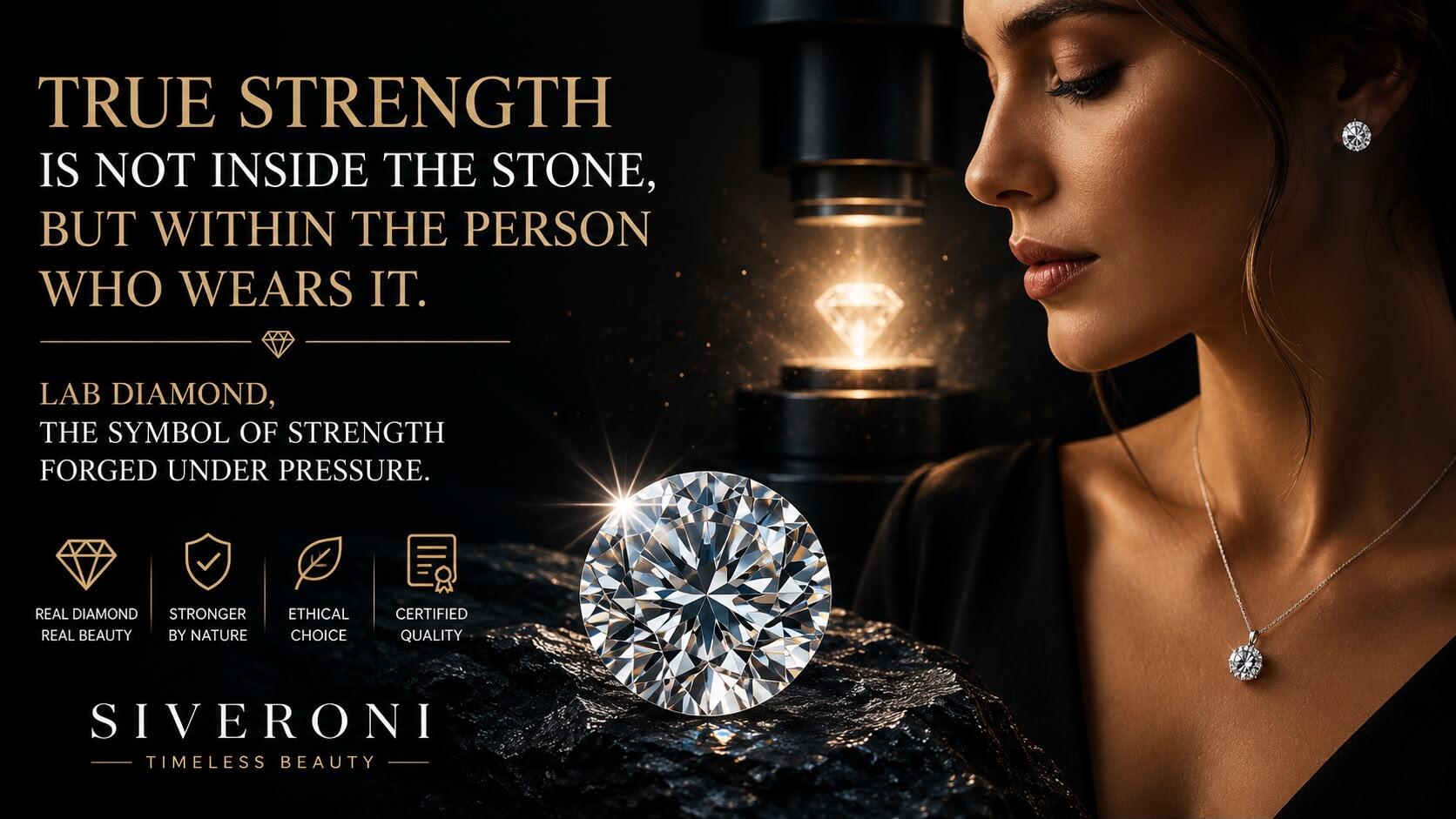
True Strength Is Within You: Why a Lab-Grown Diamond Represents Resilience
Lab Grown Diamond
Discover how lab-grown diamonds symbolize resilience, strength, and modern luxury. Learn why certified lab-grown diamonds represent more than beauty—they reflect perseverance, purpose, and personal values.
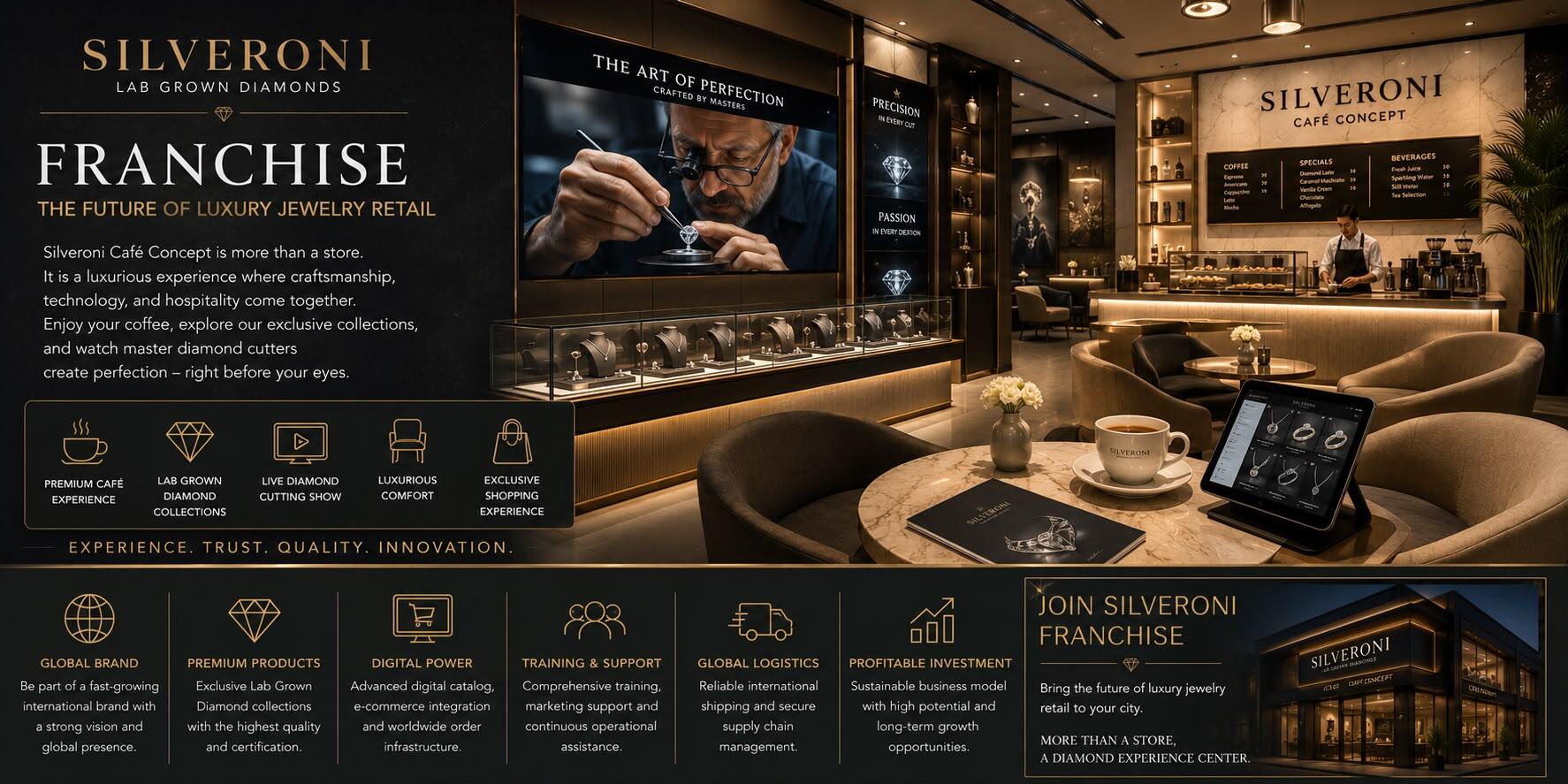
How Silveroni Is Redefining Luxury Jewelry Retail with an Innovative Franchise Concept
Lab Grown Diamond
Discover how Silveroni is transforming luxury jewelry retail with its innovative franchise model that combines premium lab-grown diamonds, café hospitality, immersive customer experiences and modern luxury boutique design.
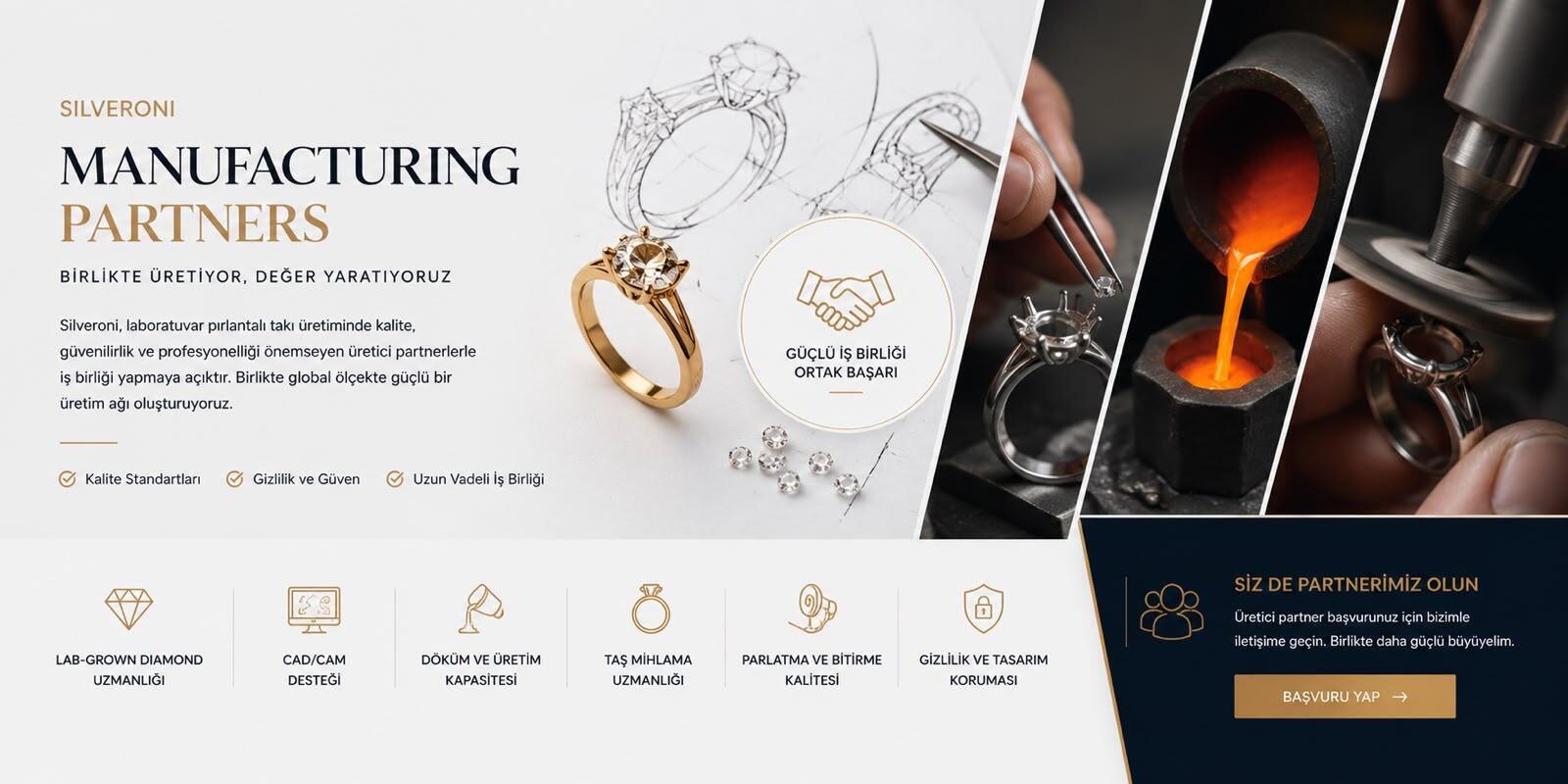
Why Manufacturing Partnerships Matter in Modern Jewelry Business
Lab Grown Diamond
Discover why professional manufacturing partnerships are becoming increasingly important for wholesale, private-label and custom lab-grown diamond jewelry businesses, and how the right production partner can support long-term growth.