
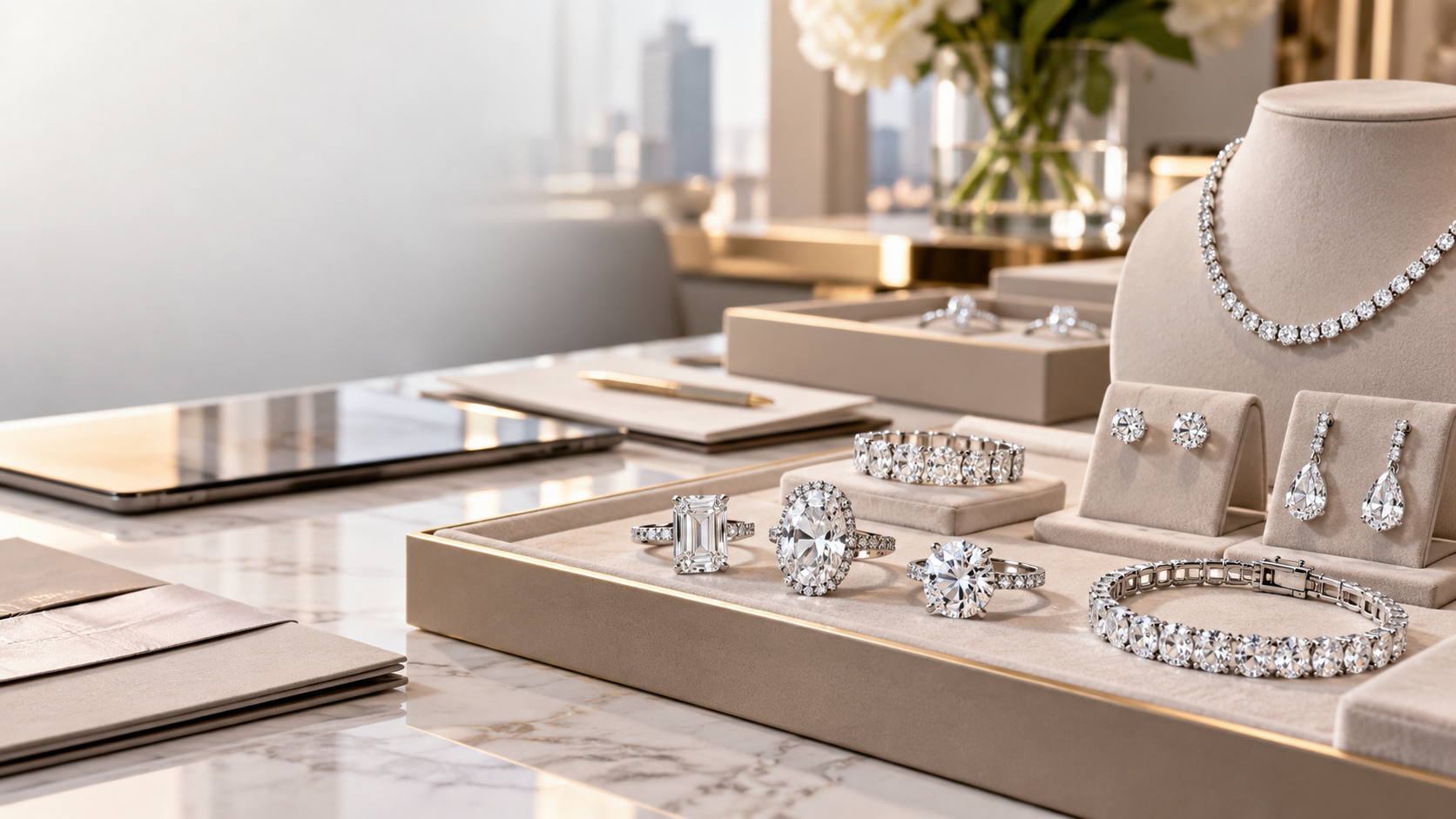
B2B Lab-Grown Diamond Jewelry: Why It Is a Smart Growth Opportunity for Jewelers in 2027
B2B Lab-Grown Diamond Jewelry: Why It Is a Smart Growth Opportunity for Jewelers in 2027
A New Opportunity Is Taking Shape in the Jewelry Business
The jewelry industry has always evolved alongside its customers. Styles change, buying habits change, and even the definition of luxury changes. In 2026, one of the clearest transformations is happening around lab-grown diamond jewelry.
For jewelers, boutiques, online jewelry stores, distributors and emerging private-label brands, this is no longer simply a consumer trend to watch. It has become a serious B2B category with opportunities across wholesale, custom manufacturing, private label and digital retail.
The momentum can already be seen across the industry. In September 2026, another major manufacturer launched a dedicated B2B lab-grown diamond jewelry platform offering qualified retailers access to more than 500 SKUs across rings, earrings, necklaces and bracelets. The significance is bigger than a single launch: lab-grown diamond jewelry is increasingly being treated as a complete retail category rather than an experimental addition to a traditional assortment. nationaljeweler.com
For jewelry businesses, the important question is therefore changing.
It is no longer simply, “Should we sell lab-grown diamonds?”
A more useful question is:
“How can lab-grown diamond jewelry help our business build a stronger, more flexible and more profitable product strategy?”
That is precisely where the B2B opportunity begins.
Why Lab-Grown Diamond Jewelry Makes Sense for B2B Buyers
A laboratory-grown diamond is a real diamond created under controlled technological conditions rather than extracted from the earth. It has the essential crystal structure, chemical composition and optical properties associated with diamond; the fundamental distinction is its origin. silveroni.com
For a retail jewelry business, however, the technical definition is only the beginning.
Lab-grown diamonds create opportunities to merchandise jewelry differently.
A retailer can offer customers impressive center stones, tennis bracelets, diamond necklaces, earrings and contemporary statement pieces at price points that would be considerably more difficult to achieve with comparable mined-diamond designs.
This can broaden the addressable customer base without requiring the retailer to abandon a premium presentation.
The result is an interesting position for modern jewelers: high visual impact and fine-jewelry craftsmanship can coexist with more commercially accessible retail pricing.
That combination has enormous relevance for independent jewelry stores, online retailers and brands seeking to attract younger luxury consumers.
The B2B Advantage Is About More Than Diamond Cost
It is tempting to reduce the entire business case to price, but that would miss the most important part of the opportunity.
A successful jewelry business does not make purchasing decisions solely according to the cost of the center stone. It considers assortment flexibility, inventory exposure, customization, presentation, margins, customer expectations, delivery, branding and the ability to respond quickly when trends change.
This is where working with an experienced wholesale lab-grown diamond jewelry supplier becomes particularly valuable.
A strong B2B relationship can allow a jewelry business to develop several commercial models simultaneously. One retailer may want finished jewelry ready for its showcases. Another may need loose diamonds for local custom work. An e-commerce entrepreneur may prefer private-label collections under their own identity, while another business may want to test demand through selected dropshipping arrangements before committing heavily to inventory.
The product may be the diamond, but the real B2B advantage is flexibility.
Better Assortment Flexibility for Jewelry Retailers
Consumer preferences move quickly.
One year may be dominated by classic round solitaires. The next brings elongated ovals, emerald cuts, radiant cuts, tennis jewelry or larger statement stones into the spotlight.
Traditional inventory models can make responding to these changes expensive. When too much capital is tied to a narrow assortment, changing direction becomes difficult.
Lab-grown diamond jewelry gives retailers greater freedom to build a wider assortment across different carat weights, diamond shapes and design categories.
Silveroni’s current range illustrates the breadth available to professional buyers. Its catalog spans lab-grown diamond rings, necklaces, earrings, bracelets and loose diamonds, with current loose-stone listings ranging from classic approximately one-carat round diamonds to significantly larger and fancy-shaped stones. silveroni.com
For a retailer, this diversity makes it possible to create distinct collections rather than relying on one narrow engagement-ring proposition.
A boutique could develop a bridal assortment, an everyday fine-jewelry collection and a high-impact statement line from the same broader lab-grown category.
That makes the category commercially interesting far beyond engagement rings.
Private Label Can Turn Products Into a Brand
Perhaps one of the biggest B2B opportunities in modern jewelry is private-label lab-grown diamond jewelry.
Many entrepreneurs know how they want their jewelry brand to feel but do not necessarily have the manufacturing infrastructure required to produce an entire collection independently.
That should not prevent them from building a distinctive brand.
Through private-label manufacturing, businesses can work with an established jewelry supplier to develop products around their own positioning, audience and visual identity.
Depending on the project, this may include custom designs, personalization, engraving, metal and diamond options, branded packaging and collection development.
Silveroni specifically supports private-label and custom manufacturing projects subject to project requirements and production capacity. Its B2B model is designed for jewelers, boutiques, retailers, e-commerce businesses and distributors rather than requiring every partner to operate its own manufacturing facility. silveroni.com
That distinction matters.
The retailer can concentrate on building its audience, customer relationships and brand experience while experienced jewelry specialists manage the technical production process.
For an emerging jewelry brand, that can dramatically reduce the complexity involved in entering the fine-jewelry market.
Custom Jewelry Creates Another Revenue Opportunity
Customization is no longer a niche request in luxury jewelry.
Customers increasingly arrive with screenshots, inspiration images, preferred cuts, meaningful engravings or an idea for a ring they have never been able to find in a traditional showcase.
For retailers, saying “yes” to these customers can create an important competitive advantage.
A B2B supplier capable of supporting custom manufacturing allows the retailer to offer a much broader experience without maintaining every possible design in physical inventory.
A customer might request an oval center stone with a hidden halo. Another may want an emerald-cut diamond with a specific band proportion. Someone else may be developing an anniversary necklace or a completely original piece.
Instead of treating these requests as problems, a flexible B2B manufacturing relationship can turn them into opportunities.
Silveroni’s current business model includes custom design, personalization and private-label manufacturing depending on project suitability and production capacity. silveroni.com
For the retailer, this means the conversation can move from:
“This is what we currently have in stock.”
to:
“Let us explore what we can create for you.”
That is a much stronger luxury proposition.
Dropshipping Can Reduce the Barrier to Testing a Jewelry Category
Inventory remains one of the biggest concerns for any retailer entering a new product category.
A beautiful jewelry collection sitting unsold in a safe is still capital that cannot be used elsewhere in the business.
That is why selected dropshipping arrangements can be particularly interesting for digital-first jewelry businesses.
Silveroni currently lists jewelry dropshipping alongside wholesale, private label and custom jewelry as part of its B2B structure, specifically positioning the service as a way for businesses to begin selling without holding inventory from day one. silveroni.com
For the right business model, this can provide a practical way to test styles and customer interest before making larger inventory commitments.
It does not eliminate the need for careful product selection, merchandising or customer service. But it can change how much capital a business needs to commit during the early stages of a collection.
That flexibility is particularly relevant to e-commerce businesses and established retailers experimenting with lab-grown jewelry for the first time.
Wholesale Pricing Should Be Built Around the Business, Not a Generic Price List
B2B jewelry is not one-size-fits-all.
Two businesses ordering what appears to be the same ring may have completely different requirements regarding diamond specifications, metal weight, quantities, grading reports, customization and packaging.
For that reason, quotation-based wholesale pricing can make considerably more sense than presenting every professional buyer with the same public number.
Silveroni uses a quotation-led B2B structure in which pricing can depend on order quantity, diamond specifications, metal type and weight, grading requirements, packaging and customization. Minimum-order requirements may also vary according to the product category and manufacturing method. silveroni.com
This allows a small boutique developing its first collection and an established distributor placing recurring volume orders to be evaluated according to their actual commercial requirements.
In other words, B2B pricing becomes part of the partnership rather than simply a number beside a product photograph.
Certification and Clear Product Information Build Customer Confidence
The modern jewelry customer asks more questions than previous generations.
What is the diamond’s origin? What is its carat weight? What are the color and clarity grades? Was it produced using CVD or HPHT? Is an independent grading report available?
A retailer needs reliable answers.
This makes product information one of the most valuable elements of a B2B jewelry relationship.
Silveroni clearly identifies laboratory-grown origin across its diamond assortment, and eligible stones may be offered with independent grading reports. Individual product listings provide detailed specifications where applicable, including carat, shape, color, clarity, cut, dimensions, growth method and certification information. silveroni.com
That level of detail helps professional sellers explain products accurately rather than relying on vague marketing claims.
And in 2026, transparency itself is becoming part of luxury.
Lab-Grown Diamonds Give Retailers More Room to Sell Design
One of the most interesting consequences of the lab-grown diamond market is that the conversation can shift away from scarcity and toward design.
When extraordinary carat weights become more attainable, customers can spend more time considering proportion, setting, silhouette and personal style.
For jewelers, this creates room to sell creativity.
A three-carat emerald cut does not need to be presented merely as “a large diamond.” It can become the centerpiece of an architectural engagement ring.
A tennis bracelet can be sold through styling, craftsmanship and wearability.
A pair of diamond earrings can become part of an everyday luxury collection rather than being reserved exclusively for major occasions.
This is where lab-grown jewelry can be especially valuable to independent retailers. It provides material for storytelling, merchandising and brand differentiation.
A Broader Customer Base Without Abandoning Luxury
There has traditionally been a difficult gap in fine jewelry between inexpensive fashion products and high-priced diamond jewelry.
Lab-grown diamonds give retailers an opportunity to operate more comfortably between those two extremes.
A business can offer real diamond jewelry with sophisticated design and solid-gold construction while reaching consumers who might otherwise consider traditional fine-diamond jewelry outside their budget.
That does not mean competing on price alone.
In fact, the strongest opportunity may be the opposite.
Retailers can use the value advantage of lab-grown diamonds to offer better design, stronger presentation, larger stones and more personalized service while maintaining a premium brand experience.
This creates an entirely different conversation from discount jewelry.
It is modern luxury built around what the customer receives rather than simply how much scarcity they purchase.
Why Choosing the Right B2B Lab-Grown Diamond Supplier Matters
The rapid growth of a category inevitably attracts many suppliers.
For professional buyers, the lowest quotation should not automatically determine the best partnership.
A serious retailer should also consider manufacturing consistency, communication, product specifications, quality control, customization capability, packaging, delivery expectations and the supplier’s willingness to develop a long-term commercial relationship.
This becomes even more important for private-label businesses because the end customer may never see the manufacturer’s name.
The retailer’s reputation is on the product.
A B2B jewelry supplier therefore becomes part of the brand’s infrastructure.
Silveroni describes its own B2B philosophy around exactly this relationship: supporting partners from diamond selection and design through manufacturing, quality control, packaging and delivery, while tailoring wholesale solutions to different customer profiles, price ranges and sales channels. silveroni.com
That is the difference between simply purchasing jewelry and building a supply partnership.
Silveroni Lab Diamond: A B2B Partner for Modern Jewelry Businesses
Founded in 2016, Silveroni Lab Diamond operates as a B2B and wholesale lab-grown diamond jewelry brand serving jewelers, boutiques, retailers, e-commerce businesses and distributors. silveroni.com
Its current wholesale offering covers lab-grown diamond rings, tennis bracelets, necklaces, earrings and loose diamonds, while eligible projects can also involve custom manufacturing, personalization, branded packaging and private-label development. silveroni.com
Silveroni also provides multiple ways for jewelry businesses to work with the brand. A retailer may source finished wholesale collections, develop its own private-label line, discuss custom jewelry manufacturing or explore selected dropshipping opportunities. silveroni.com
This flexible structure is particularly relevant in 2026 because jewelry businesses do not all sell in the same way.
A traditional jeweler needs different support from an Instagram-first jewelry brand. An established distributor has different purchasing requirements from a boutique launching its first lab-grown collection.
A strong B2B model should accommodate those differences rather than force every buyer into the same structure.
That is exactly the commercial space Silveroni is designed to serve.
The Future of B2B Lab-Grown Diamond Jewelry
The next phase of lab-grown diamonds will not be defined simply by whether consumers accept them.
That question has largely moved on.
The more interesting development is how jewelry businesses build brands, collections and retail experiences around them.
The recent launch of new dedicated B2B platforms shows that manufacturers are investing in infrastructure specifically for professional lab-grown jewelry buyers. nationaljeweler.com Silveroni itself has built wholesale, private-label, dropshipping and custom-jewelry routes into its current website, reflecting the same broader move toward a more sophisticated B2B market. silveroni.com
For jewelers, boutiques and online retailers, this creates an opportunity to rethink the traditional inventory model.
Instead of asking how many products can fit inside a showcase, businesses can think about how wholesale supply, custom manufacturing, private label and flexible fulfillment can work together as one commercial strategy.
The winners will not necessarily be the businesses with the largest inventory.
They may be the businesses with the smartest supply relationships.
Conclusion: From Jewelry Supplier to Growth Partner
Lab-grown diamond jewelry presents B2B businesses with something more valuable than another product category.
It creates flexibility.
Retailers can build broader assortments, explore larger and more visually striking diamonds, develop private-label collections, respond to custom requests and potentially test new markets without approaching inventory in exactly the same way as traditional fine jewelry.
But those opportunities depend heavily on the supplier behind the collection.
For modern jewelry businesses, choosing a B2B partner should therefore be about more than finding a wholesale price. It should mean finding manufacturing capability, reliable product information, flexible commercial options and a partner capable of growing alongside the brand.
That is the role Silveroni Lab Diamond aims to fill.
Whether the goal is expanding an established jewelry store, launching a private-label collection, developing custom pieces or introducing lab-grown diamonds to an e-commerce audience, the opportunity in 2026 is clear:
The future of B2B jewelry is not simply about carrying more products. It is about building better collections, stronger brands and smarter partnerships.
Frequently Asked Questions
What is B2B lab-grown diamond jewelry?
B2B lab-grown diamond jewelry refers to diamonds and finished jewelry supplied from manufacturers or wholesalers to professional businesses such as jewelers, boutiques, e-commerce stores and distributors for resale or use in branded collections.
Can jewelry retailers buy lab-grown diamonds wholesale?
Yes. Silveroni supplies wholesale lab-grown diamonds and finished jewelry to professional buyers, with pricing prepared according to factors such as quantity, diamond specifications, metal requirements and customization.
Can I create my own private-label lab-grown diamond jewelry brand?
Yes. Silveroni may support private-label projects including custom design, personalization and branded packaging depending on project requirements and manufacturing capacity.
Does Silveroni offer dropshipping for jewelry businesses?
Silveroni lists selected jewelry dropshipping partnerships as part of its B2B offering, providing another possible route for businesses that want to sell without beginning with a large physical inventory.
Does wholesale lab-grown jewelry include independently graded diamonds?
Independent grading reports may be available for eligible diamonds. Professional buyers should confirm the laboratory, report details and relevant stone specifications before ordering.
Who can work with Silveroni Lab Diamond?
Silveroni’s B2B offering is intended for jewelers, retailers, boutiques, e-commerce businesses, distributors and businesses developing their own jewelry collections.
How does Silveroni wholesale pricing work?
Silveroni uses quotation-based B2B pricing. The final quotation can depend on quantity, diamond specifications, metal type and weight, grading requirements, packaging and customization.
B2B Lab-Grown Diamond Jewelry: Why It Is a Smart Growth Opportunity for Jewelers in 2027
Lab Grown Diamond
Lab-grown diamond jewelry is creating new opportunities for jewelers, boutiques and e-commerce brands. Discover how wholesale sourcing, private label, custom manufacturing and flexible B2B solutions can help jewelry businesses build stronger collections and grow with Silveroni.
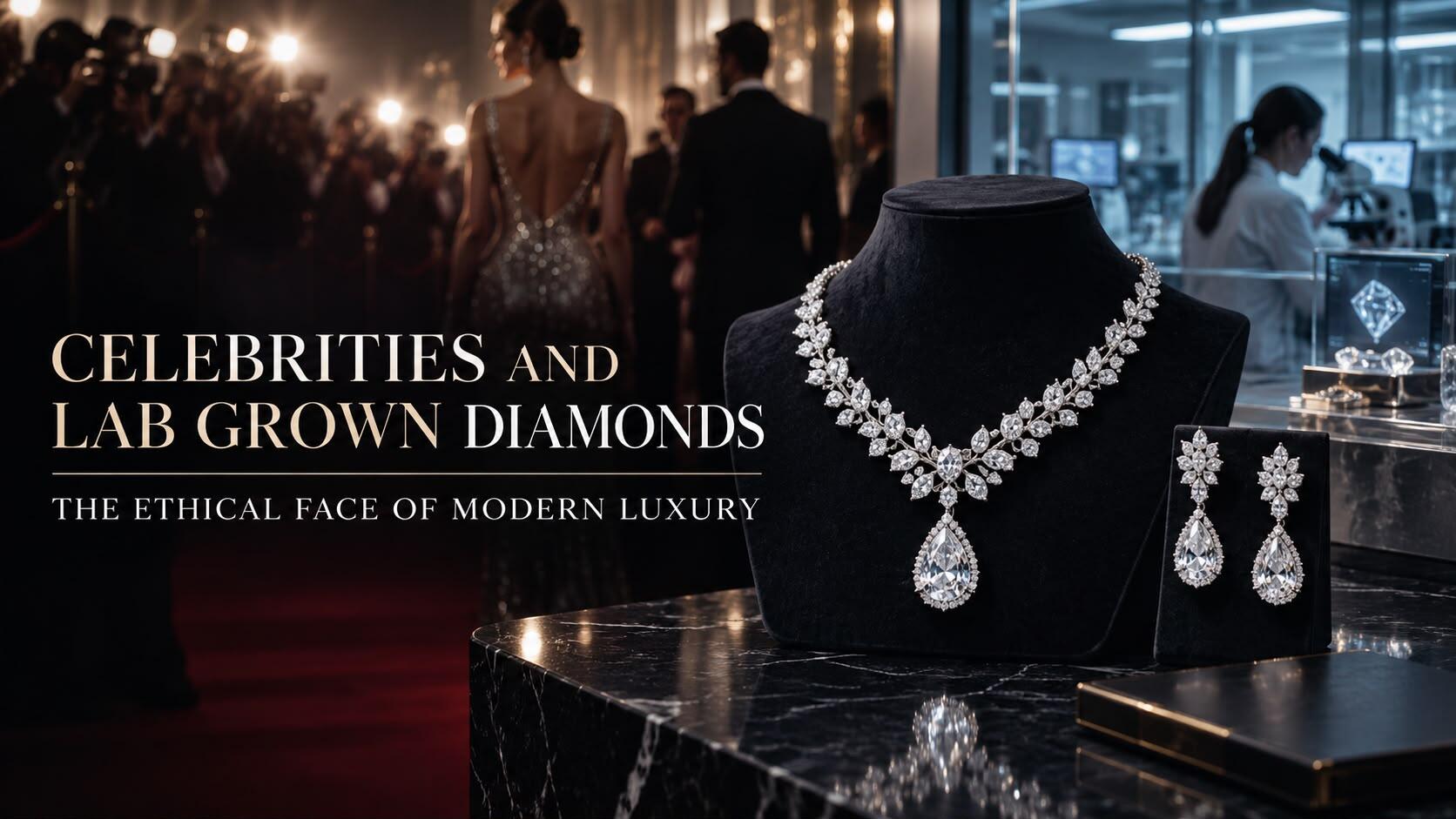
Celebrities and Lab Grown Diamonds: The Ethical Face of Modern Luxury
Lab Grown Diamond
Lab grown diamonds are no longer merely an alternative material in red carpet and stage jewelry. They are becoming part of a new definition of luxury shaped by design, scale, traceability and consumer trust.
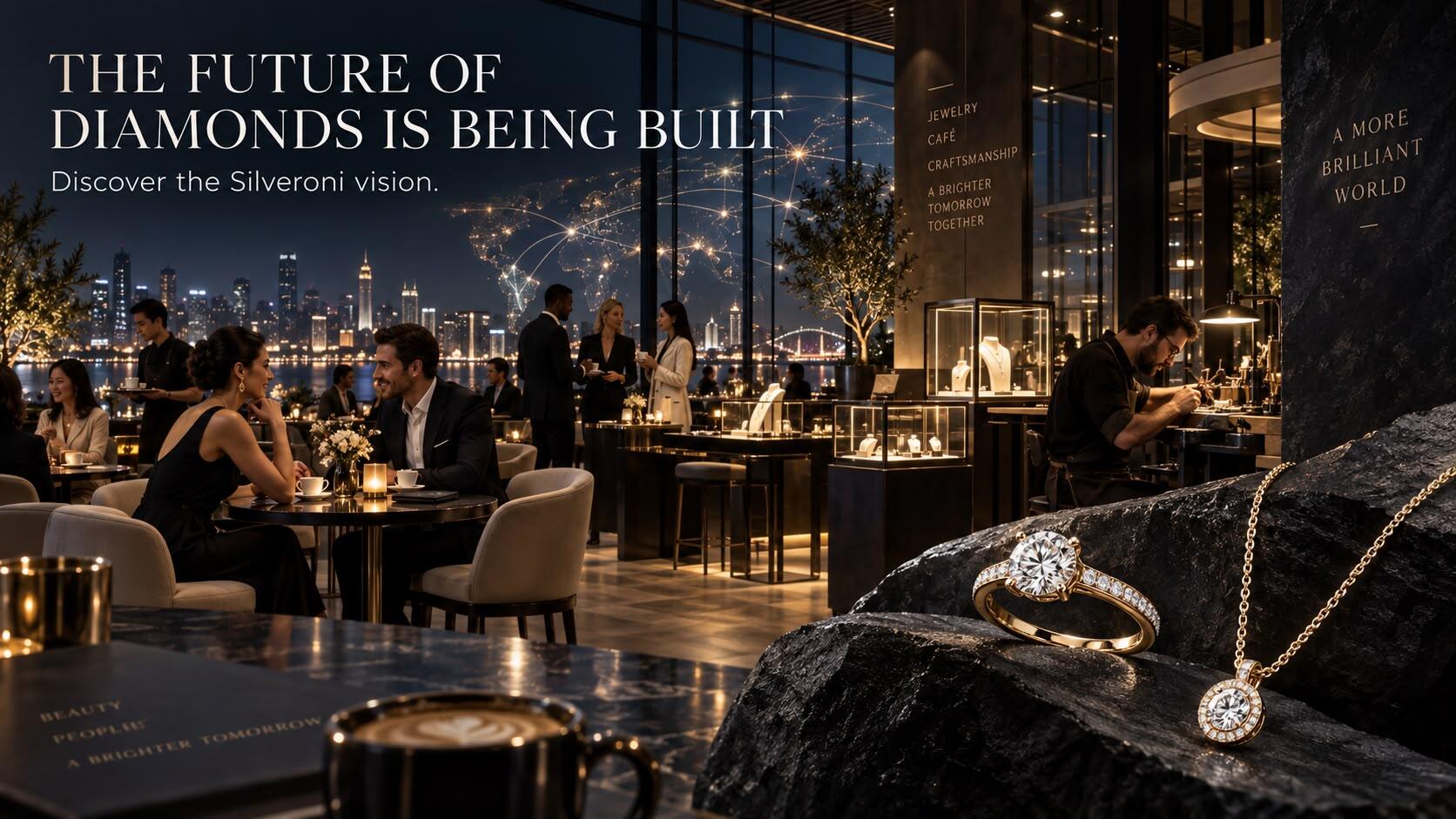
Silveroni is Working Toward That Future
Lab Grown Diamond
The future of jewelry will not be defined by diamonds alone. It will be shaped by the brands that transform diamonds into meaningful products, memorable experiences, and scalable business opportunities. Silveroni is working toward that future—step by step, market by market, and partnership by partnership.
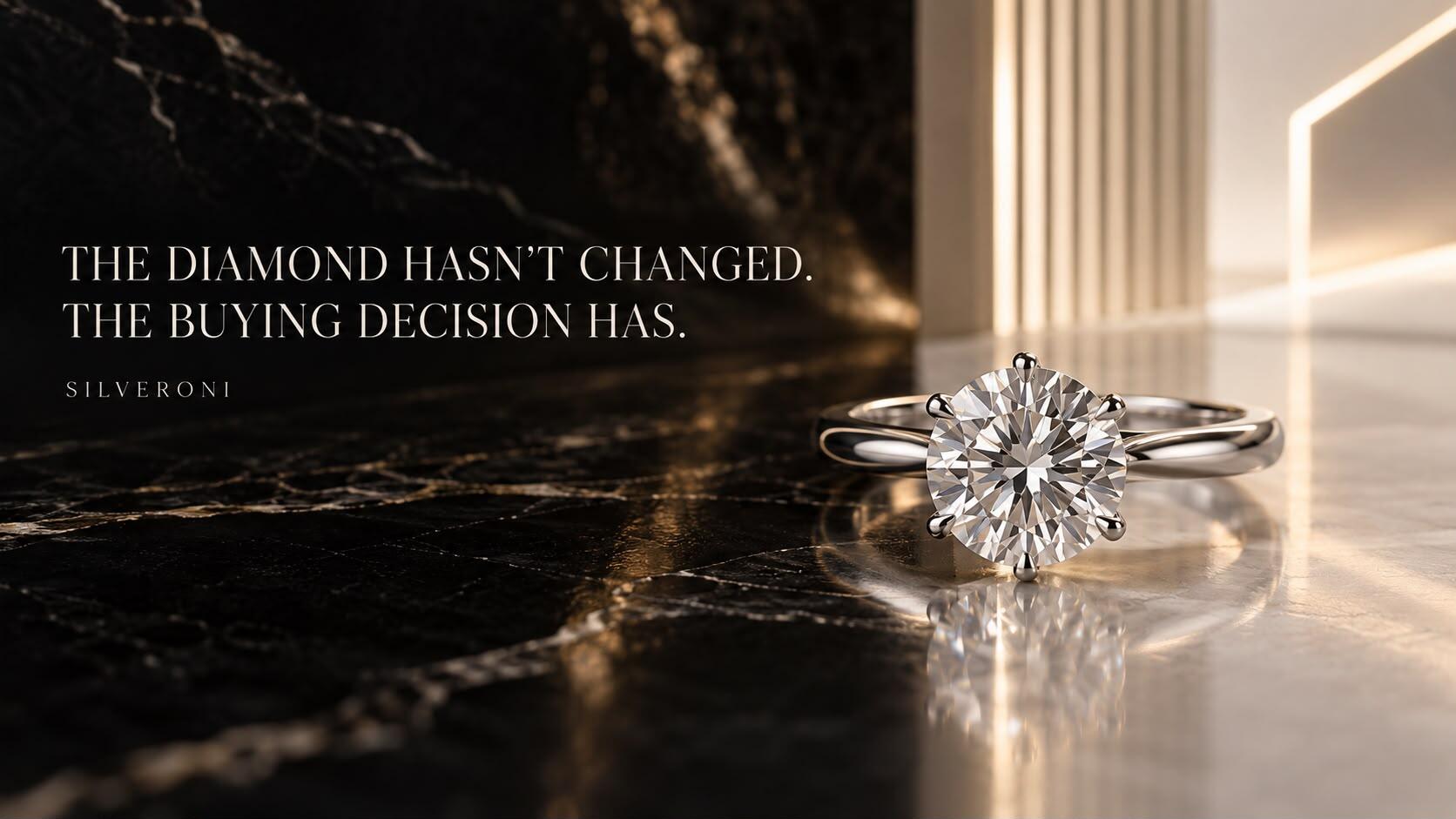
The Diamond Hasn’t Changed. The Buying Decision Has.
Lab Grown Diamond
The New Luxury Question Is No Longer “Is It Real?”
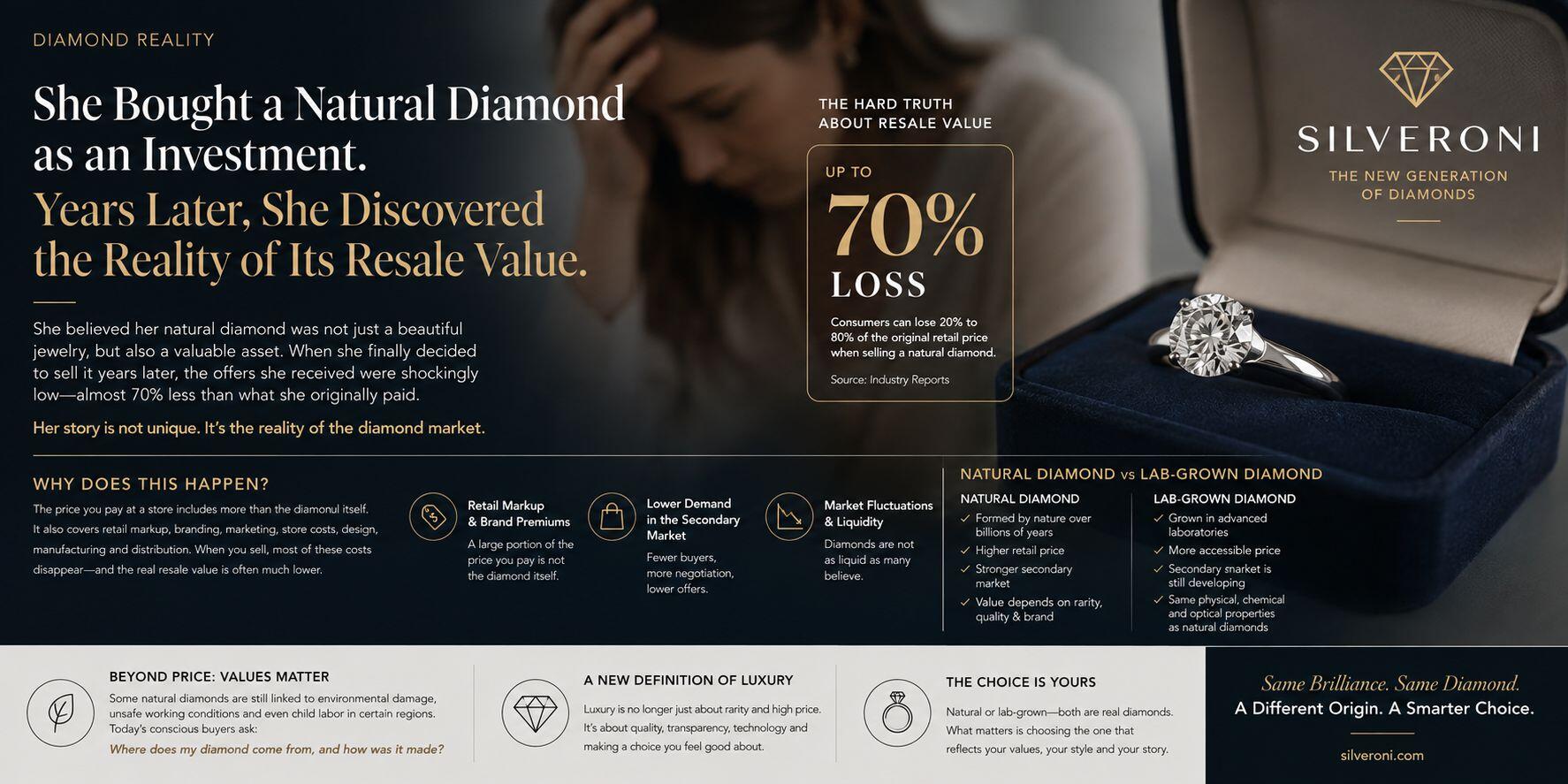
She Bought a Natural Diamond as an Investment. Years Later, She Discovered the Reality of Its Resale Value
Lab Grown Diamond
Imagine a woman who purchased a natural diamond years ago. At the time, she believed she was buying more than a beautiful piece of jewelry. She thought she was putting part of her money into something valuable, something she could keep for years and potentially convert back into cash if she ever needed it.
Diamonds Are Now Selling in Seconds on TikTok: Has a New Era of Jewelry Begun?
Lab Grown Diamond
Lab-grown diamonds are everywhere, from TikTok livestreams to luxury jewelry collections. As prices begin to stabilize, how are consumer priorities changing?
True Strength Is Within You: Why a Lab-Grown Diamond Represents Resilience
Lab Grown Diamond
Discover how lab-grown diamonds symbolize resilience, strength, and modern luxury. Learn why certified lab-grown diamonds represent more than beauty—they reflect perseverance, purpose, and personal values.
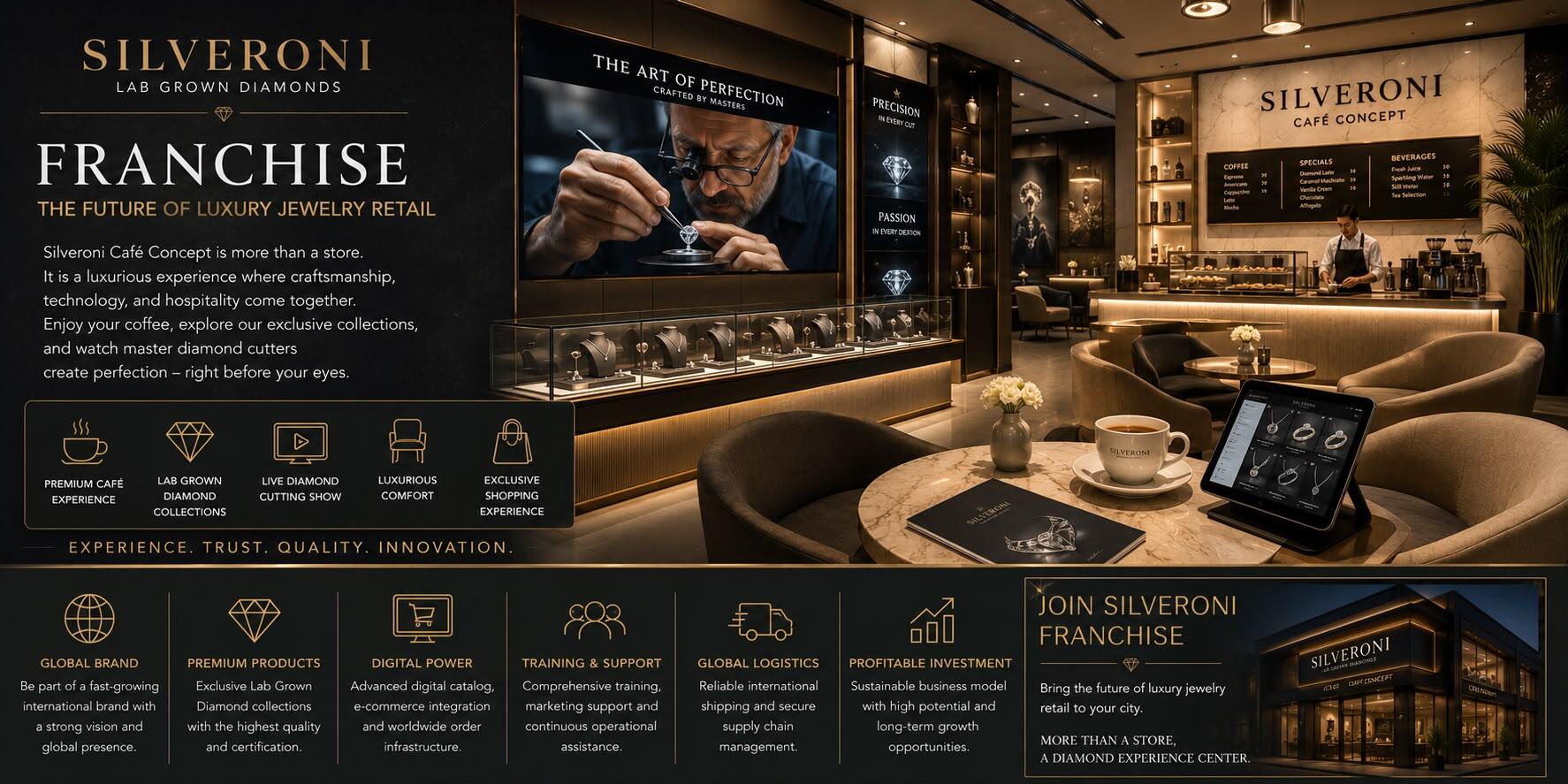
How Silveroni Is Redefining Luxury Jewelry Retail with an Innovative Franchise Concept
Lab Grown Diamond
Discover how Silveroni is transforming luxury jewelry retail with its innovative franchise model that combines premium lab-grown diamonds, café hospitality, immersive customer experiences and modern luxury boutique design.