
Diamonds Are Now Selling in Seconds on TikTok: Has a New Era of Jewelry Begun?
Diamonds Are Now Selling in Seconds on TikTok: Has a New Era of Jewelry Begun?
Buying a diamond used to be a carefully considered decision involving several store visits, lengthy comparisons, and weeks of planning. Today, lab-grown diamonds are being auctioned on TikTok livestreams in a matter of seconds.
It may sound surprising, but this is only one visible sign of a much larger transformation taking place in the jewelry industry.
Livestream diamond auctions have recently attracted significant attention on TikTok. During some broadcasts, buyers are given only 10 to 15 seconds to make a decision. With certain lab-grown diamonds selling for approximately $100 to $200 per carat, diamonds are becoming accessible to a much wider audience.
This new sales model is turning diamond shopping from a traditional special-occasion purchase into an interactive digital experience. However, industry experts warn that video lighting can make it difficult to accurately judge a diamond’s cut, clarity, and overall appearance.
A certificate is important, but buyers should also verify which organization issued it and whether its report number matches the diamond being sold. The Guardian’s investigation into TikTok diamond auctions.
The prolonged decline in lab-grown diamond prices may also be entering a new phase. Market data covering the second quarter of 2026 indicates that prices continued to fall, but the pace of decline slowed, suggesting that the market may be approaching a more stable level.
This is an important development for the jewelry industry. When prices fall rapidly and continuously, holding inventory becomes risky for manufacturers, wholesalers, and retailers. Greater price stability could allow businesses to plan their collections, purchasing decisions, and sales strategies with more confidence. JCK’s lab-grown diamond price analysis.
The real transformation, however, is not limited to price.
Consumers now understand that lab-grown diamonds allow them to choose a larger stone within the same budget. As a result, the conversation is gradually shifting away from “Is it natural or lab-grown?” toward more practical questions: “Which design is better? Which certificate can I trust? Which brand stands behind the product?”
In the future of diamonds, the brand experience may become as valuable as the stone itself.
The same lab-grown diamond may compete almost entirely on price when sold during a livestream. Once it becomes part of a well-designed piece of jewelry made with quality gold, reliable certification, and skilled craftsmanship, its perceived value changes significantly.
The customer is no longer purchasing only carat weight. They are also purchasing design, trust, presentation, craftsmanship, and after-sales support.
Changes introduced by GIA also demonstrate how quickly this category is evolving. From October 1, 2025, GIA implemented revised assessment services for D-to-Z laboratory-grown diamonds. Laser inscriptions containing the words “laboratory-grown” and an assessment number are intended to provide greater transparency regarding the diamond’s origin. GIA’s updated laboratory-grown diamond assessment service.
IGI, meanwhile, continues to play a major role in the international lab-grown diamond market through reports detailing a diamond’s color, clarity, cut, and carat weight. Independent certification, laser inscriptions, and consistency between the diamond and its documentation are becoming especially important for online purchases.
Market projections vary, but most point in the same direction: the lab-grown diamond industry is expected to continue expanding.
Fortune Business Insights estimates that the global lab-grown diamond market could grow from approximately $33.54 billion in 2026 to $91.85 billion by 2034. The report also highlights the expected growth of Chemical Vapor Deposition, commonly known as CVD technology.
These figures are market projections rather than guaranteed outcomes, but they offer a useful indication of where investment, production capacity, and consumer interest may be heading. Global lab-grown diamond market research.
So, what do these developments tell us?
Lab-grown diamonds are becoming too significant to be described simply as a less expensive alternative to natural diamonds. They are developing into an independent jewelry category with their own customers, technologies, certification systems, designs, and sales channels.
At one end of the market, diamonds are being sold within seconds through social media auctions. At the other, certified lab-grown diamonds are being used in carefully designed fine jewelry and luxury collections.
The companies most likely to succeed will not necessarily be those offering the lowest price. They will be the businesses that communicate the origin of their diamonds clearly, provide reliable certification, create distinctive designs, maintain consistent quality, and give customers a genuine brand experience.
In this new diamond era, value will no longer be determined only by where a stone was formed. It will also depend on how it was selected, how it was designed, how it was presented, and who is prepared to stand behind it.
Also Read:
Why Oversized Engagement Rings Define Luxury in 2026
Silveroni vs. James Allen | Best Lab Grown Diamond Company in 2025
lab-grown diamonds, laboratory-grown diamonds, lab-created diamonds, CVD diamonds, IGI-certified lab-grown diamonds, sustainable diamonds, lab-grown diamond prices, certified diamond jewelry, wholesale lab-grown diamond jewelry, private-label diamond jewelry.
B2B Lab-Grown Diamond Jewelry: Why It Is a Smart Growth Opportunity for Jewelers in 2027
Lab Grown Diamond
Lab-grown diamond jewelry is creating new opportunities for jewelers, boutiques and e-commerce brands. Discover how wholesale sourcing, private label, custom manufacturing and flexible B2B solutions can help jewelry businesses build stronger collections and grow with Silveroni.
Celebrities and Lab Grown Diamonds: The Ethical Face of Modern Luxury
Lab Grown Diamond
Lab grown diamonds are no longer merely an alternative material in red carpet and stage jewelry. They are becoming part of a new definition of luxury shaped by design, scale, traceability and consumer trust.
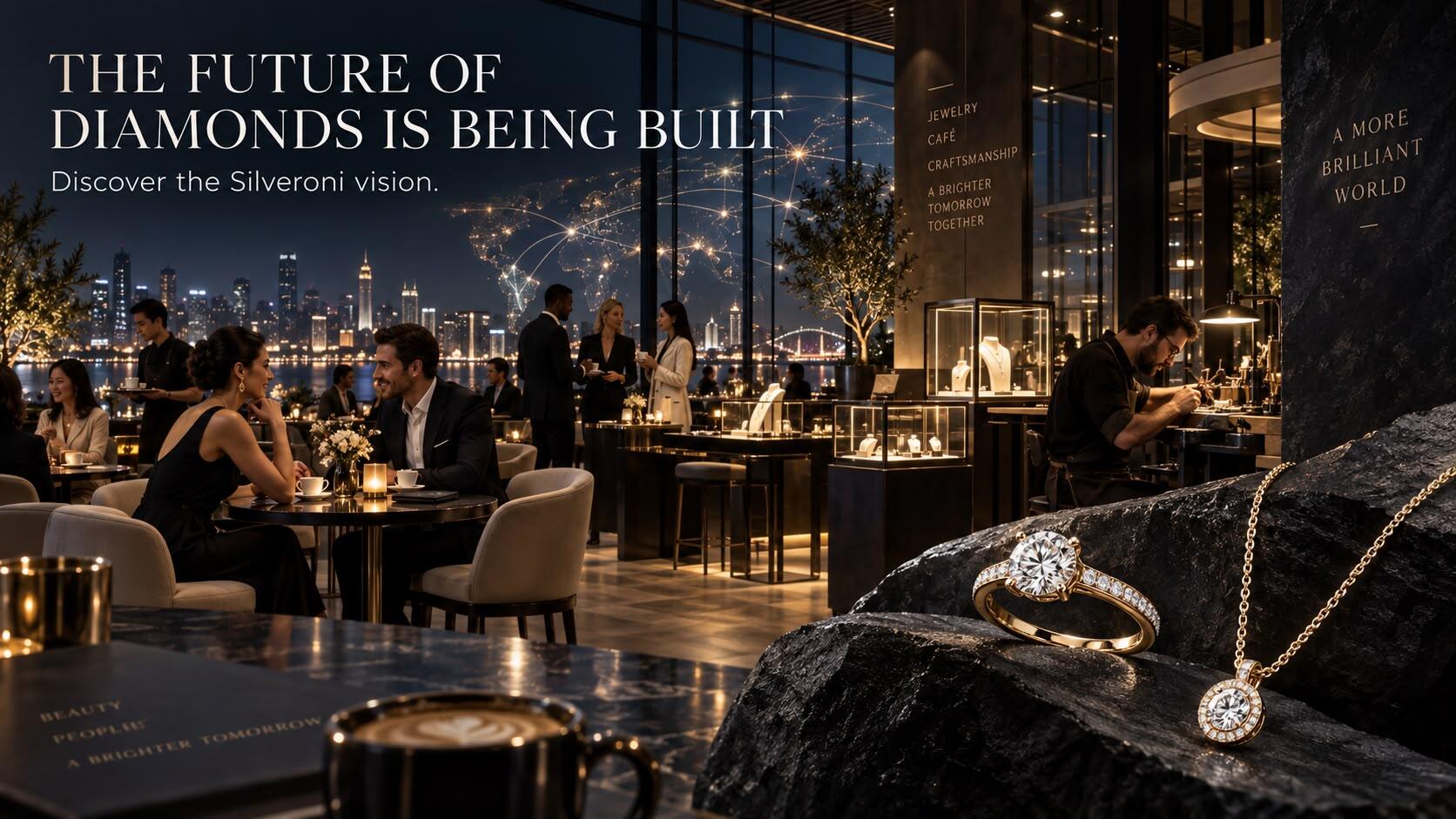
Silveroni is Working Toward That Future
Lab Grown Diamond
The future of jewelry will not be defined by diamonds alone. It will be shaped by the brands that transform diamonds into meaningful products, memorable experiences, and scalable business opportunities. Silveroni is working toward that future—step by step, market by market, and partnership by partnership.
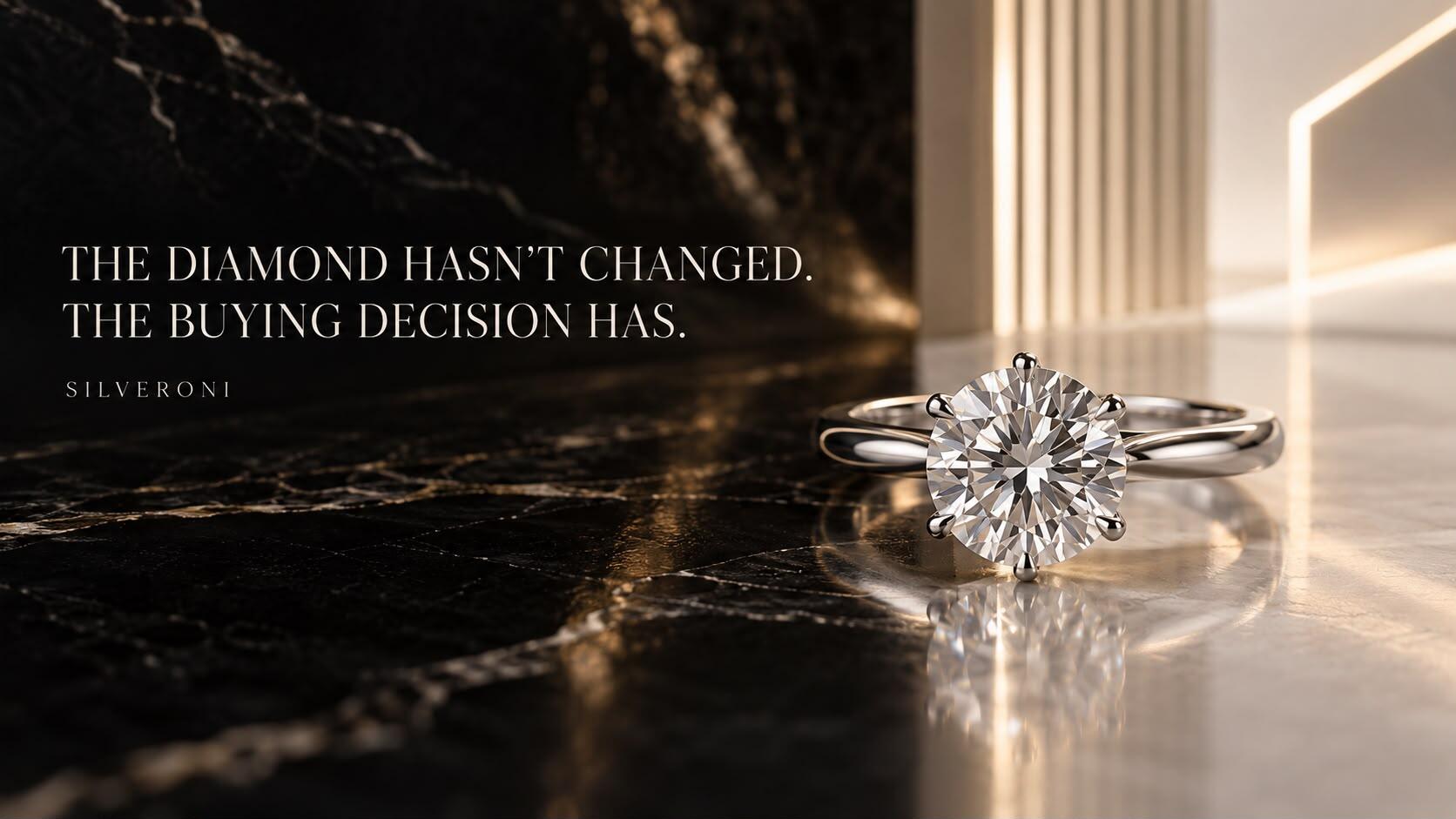
The Diamond Hasn’t Changed. The Buying Decision Has.
Lab Grown Diamond
The New Luxury Question Is No Longer “Is It Real?”
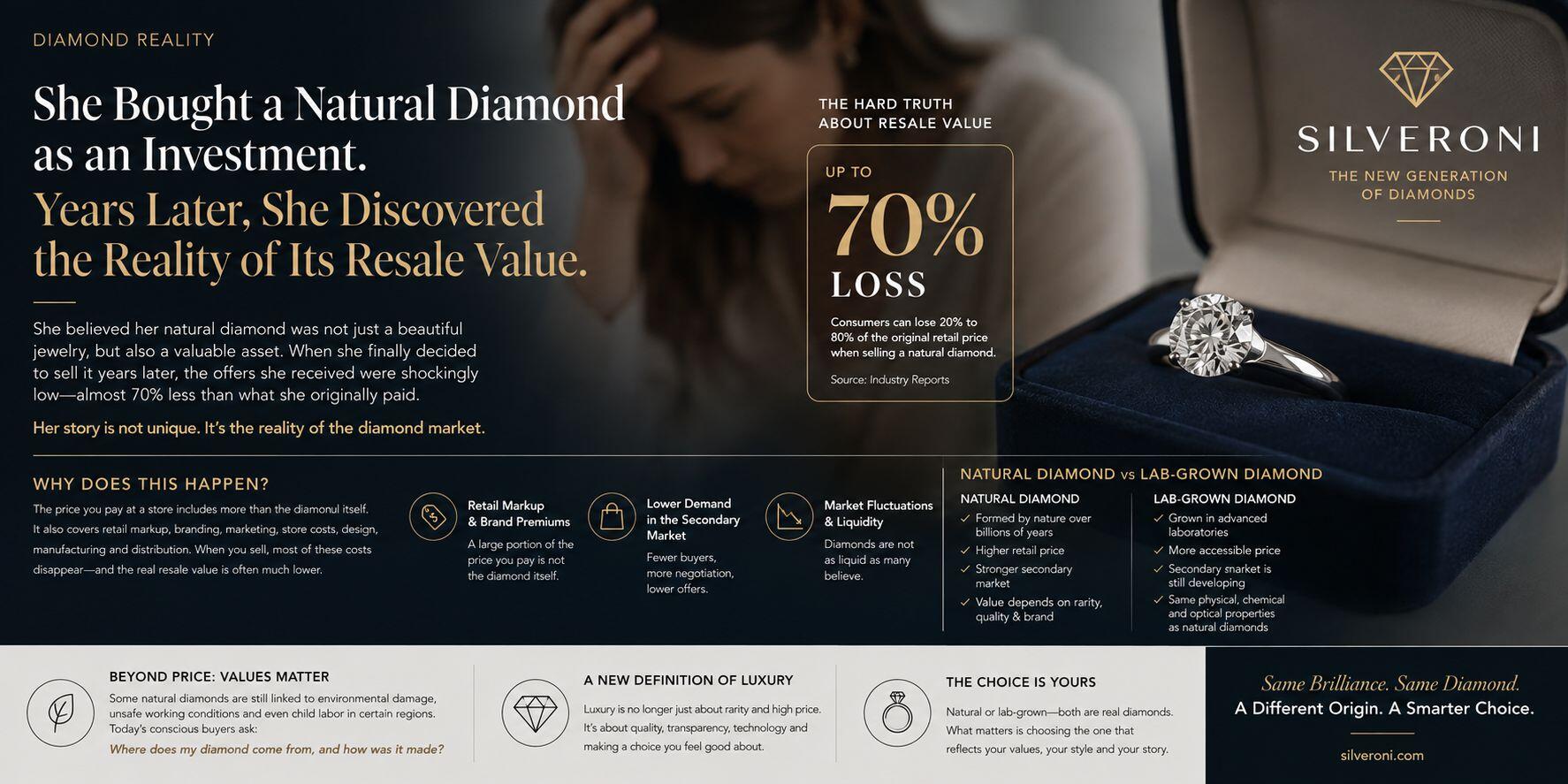
She Bought a Natural Diamond as an Investment. Years Later, She Discovered the Reality of Its Resale Value
Lab Grown Diamond
Imagine a woman who purchased a natural diamond years ago. At the time, she believed she was buying more than a beautiful piece of jewelry. She thought she was putting part of her money into something valuable, something she could keep for years and potentially convert back into cash if she ever needed it.
Diamonds Are Now Selling in Seconds on TikTok: Has a New Era of Jewelry Begun?
Lab Grown Diamond
Lab-grown diamonds are everywhere, from TikTok livestreams to luxury jewelry collections. As prices begin to stabilize, how are consumer priorities changing?
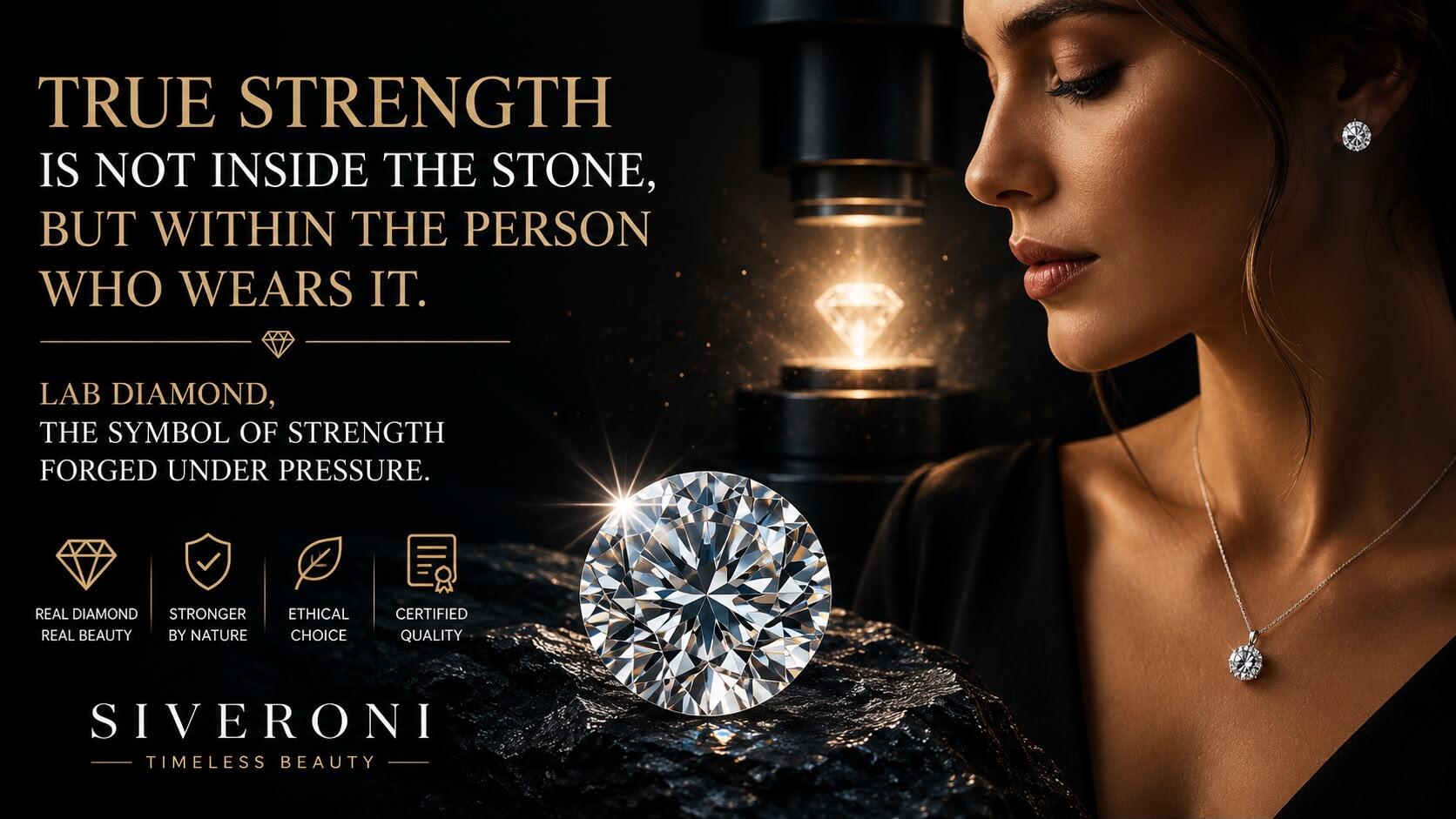
True Strength Is Within You: Why a Lab-Grown Diamond Represents Resilience
Lab Grown Diamond
Discover how lab-grown diamonds symbolize resilience, strength, and modern luxury. Learn why certified lab-grown diamonds represent more than beauty—they reflect perseverance, purpose, and personal values.
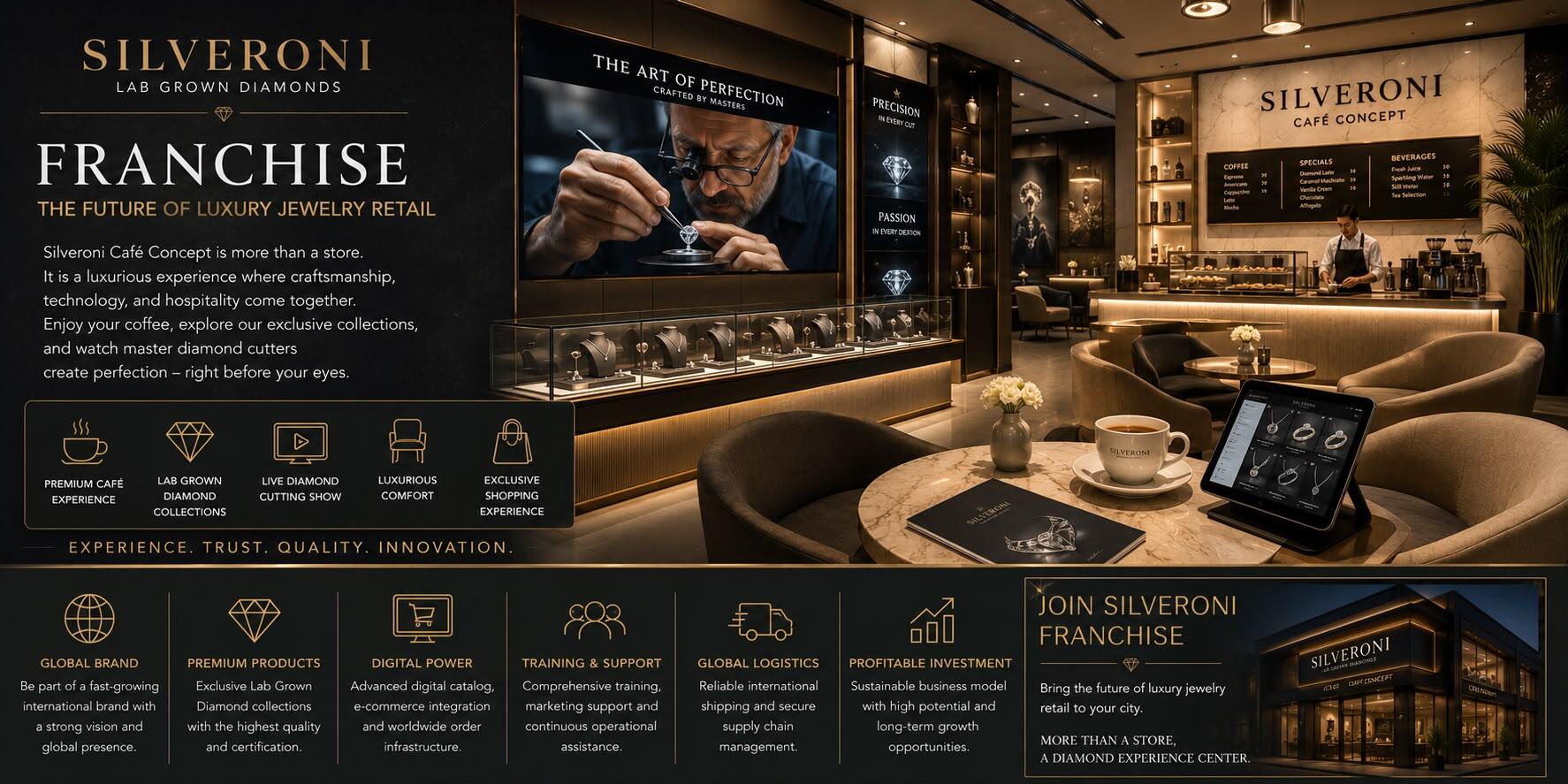
How Silveroni Is Redefining Luxury Jewelry Retail with an Innovative Franchise Concept
Lab Grown Diamond
Discover how Silveroni is transforming luxury jewelry retail with its innovative franchise model that combines premium lab-grown diamonds, café hospitality, immersive customer experiences and modern luxury boutique design.