
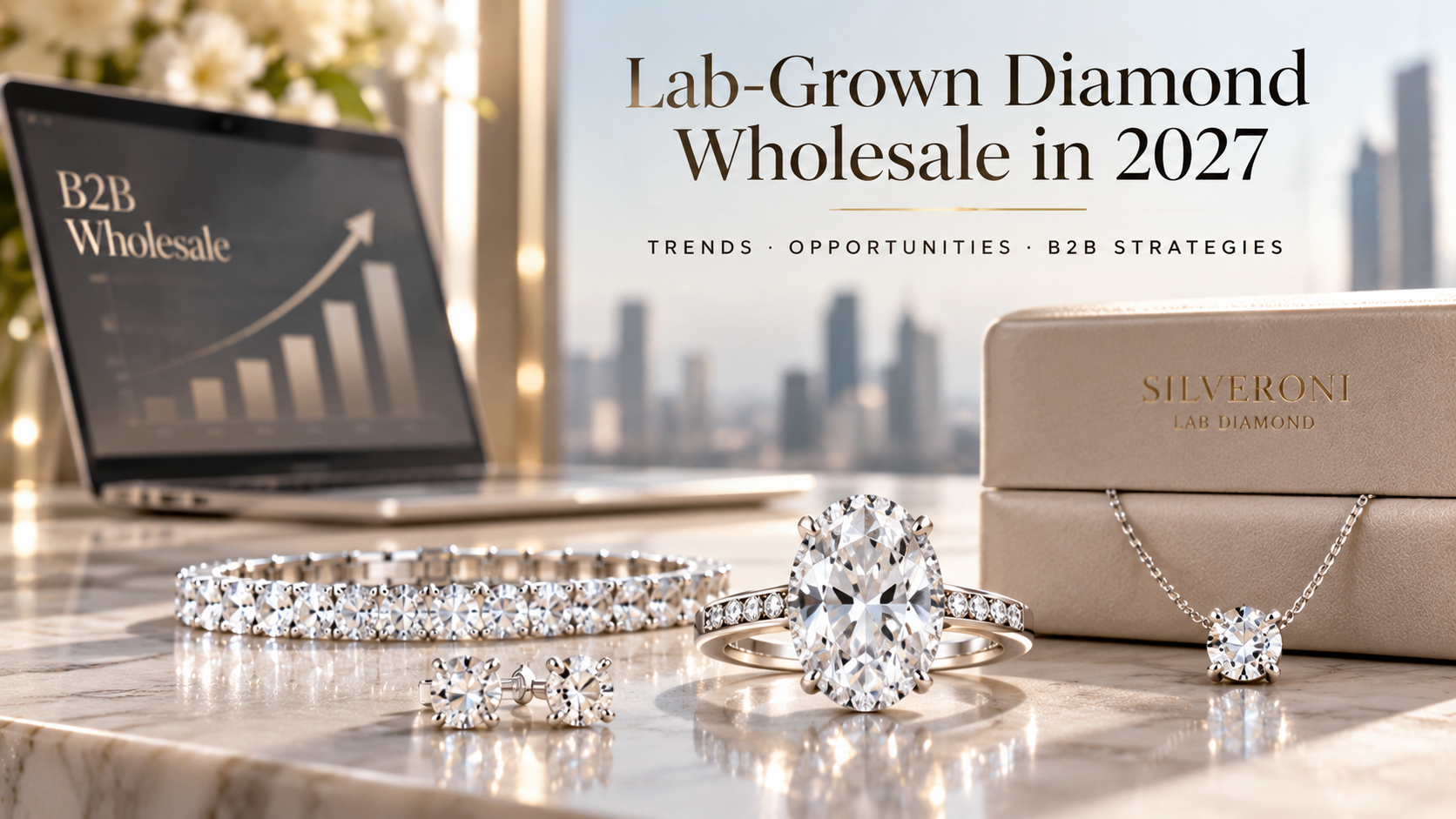
Lab-Grown Diamond Wholesale in 2027: The Future of B2B Jewelry
Lab-Grown Diamond Wholesale in 2027: The Future of B2B Jewelry
Discover how changing diamond prices, private-label manufacturing, smarter inventory strategies and evolving consumer preferences are reshaping wholesale lab-grown diamond jewelry in 2027.
A New Chapter for the Global Diamond Industry
The global diamond industry is approaching 2027 with a different set of priorities. For jewelry retailers, wholesalers, distributors and emerging luxury brands, the conversation surrounding laboratory-grown diamonds has moved beyond their growing popularity.
The focus is now on building sustainable business models, developing distinctive collections and choosing wholesale partners capable of adapting to a rapidly changing market.
Lab-grown diamonds have already transformed how consumers think about fine jewelry. Their accessible pricing relative to comparable natural diamonds has opened new possibilities for larger center stones, elaborate designs and everyday luxury collections.
For professional buyers, however, the most important development may be happening behind the scenes.
Wholesale pricing is evolving, manufacturing capacity is expanding, and retailers are reconsidering how much inventory they need to own before making a sale.
As 2027 approaches, the competitive advantage will increasingly belong to jewelry businesses that combine attractive products with intelligent sourcing, careful inventory management and a recognizable brand identity.
For companies exploring wholesale lab-grown diamond jewelry, these developments create opportunities that extend well beyond traditional engagement rings.
What Is the Outlook for Lab-Grown Diamond Wholesale in 2027?
The outlook for 2027 is one of continued commercial opportunity accompanied by greater pressure on suppliers and retailers to differentiate themselves.
Industry research published during 2026 shows that demand for lab-grown diamond jewelry remains significant, even as wholesale prices have experienced substantial changes.
According to market analysis reported by JCK, lab-grown diamond jewelry accounted for approximately 20.5% of diamond jewelry unit sales in the market examined. Within engagement rings, laboratory-grown diamonds represented an even larger share of units sold.
At the same time, wholesale prices have been under pressure.
During the second quarter of 2026, average wholesale lab-grown diamond prices declined approximately 13% year over year. By the third quarter, selected diamond categories experienced modest quarterly price increases, suggesting that the pace of price declines might be changing.
These developments do not guarantee a sustained price recovery in 2027. They do, however, highlight the importance of working with suppliers that understand changing market conditions.
For retailers, the lesson is clear: wholesale success cannot depend entirely on purchasing diamonds at the lowest possible price.
It must also depend on product quality, design, reliable fulfillment and the ability to create value beyond the diamond itself.
Why Lab-Grown Diamonds Remain Attractive to Jewelry Retailers
Laboratory-grown diamonds share the essential chemical composition, crystal structure and optical properties of natural diamonds. Their primary distinction is their origin: they are produced using controlled technological processes rather than formed naturally underground.
For retailers, this creates an opportunity to offer genuine diamond jewelry across a wider range of budgets and design preferences.
A customer who once considered a large diamond ring financially unrealistic may now be able to explore a substantial center stone. Another customer may choose a diamond tennis bracelet or necklace as an everyday luxury purchase rather than reserving diamonds exclusively for major celebrations.
This flexibility changes how jewelry collections can be developed.
Instead of concentrating entirely on traditional bridal products, retailers can introduce lab-grown diamonds into fashion jewelry, anniversary collections, personalized gifts and statement pieces.
The appeal is not limited to affordability. Customers increasingly expect choice, design flexibility and clear information about the products they purchase.
Retailers that successfully communicate these qualities can build a stronger position in the modern fine-jewelry market.
Wholesale Pricing in 2027: Why Strategy Matters More Than Ever
Wholesale lab-grown diamond pricing is likely to remain an important topic throughout 2027.
The market has experienced years of substantial price reductions as production technology, manufacturing capacity and competition have evolved.
Although selected categories recorded quarterly price increases during 2026, the broader market remains far below historical wholesale price levels.
This creates both opportunity and risk.
Lower acquisition costs can make it easier for jewelry businesses to introduce new products and develop attractive collections. However, businesses holding excessive inventory may face challenges if replacement costs continue to change.
A ring purchased for inventory months earlier may compete with newly sourced jewelry offered at a different cost.
For this reason, retailers should pay close attention to inventory turnover, supplier quotations, production lead times and the relationship between wholesale costs and retail positioning.
Rather than purchasing large quantities simply because prices appear attractive, businesses may benefit from a more selective approach.
A carefully developed collection supported by dependable replenishment can be more commercially effective than an oversized assortment with uncertain demand.
This is particularly relevant to online jewelry businesses, where consumer preferences and popular designs can change quickly.
Private-Label Lab-Grown Diamond Jewelry Will Become Increasingly Important
One of the most promising directions for the B2B jewelry industry is the continued development of private-label collections.
As laboratory-grown diamonds become more widely available, simply offering them is no longer enough to distinguish one jewelry business from another.
Brand identity becomes increasingly valuable.
A private-label jewelry business can develop a recognizable visual style, define its target customer and create collections that reflect its own positioning.
For example, one brand may specialize in minimalist engagement rings, while another focuses on bold diamond jewelry or contemporary everyday luxury.
The underlying materials may be similar, but the customer experience can be completely different.
Private-label manufacturing allows retailers and entrepreneurs to concentrate on branding, merchandising and customer relationships while working with experienced suppliers for product development and manufacturing.
Silveroni supports selected private-label lab-grown diamond jewelry projects for professional buyers seeking to develop collections under their own brand identity.
Depending on the product and business agreement, this may include wholesale product selection, custom jewelry discussions and cooperation tailored to the retailer's commercial requirements.
For businesses planning their 2027 strategy, private label offers an opportunity to move beyond competing exclusively on price.
Why Custom Jewelry Manufacturing Matters in the Wholesale Market
Customization is another important opportunity for jewelry retailers entering 2027.
Customers increasingly seek pieces that reflect personal preferences rather than relying entirely on standardized designs.
An engagement ring may require a particular diamond shape, unusual setting or personalized detail. A boutique may want an exclusive necklace collection that cannot be found in competing stores.
Custom manufacturing allows retailers to respond to these requests without developing every possible design in advance.
It also creates opportunities for stronger customer relationships.
When a buyer participates in the design process, the jewelry becomes more personal, and the retailer can provide a service that extends beyond ordinary product selection.
For B2B buyers, access to a supplier capable of discussing custom projects can therefore become an important commercial advantage.
Silveroni's custom jewelry services are intended to support selected business projects according to design requirements, manufacturing feasibility and confirmed commercial terms.
This approach can help professional buyers explore more distinctive collections while maintaining a structured supplier relationship.
Dropshipping and Flexible Inventory Models in 2027
Inventory management is becoming increasingly important in the laboratory-grown diamond industry.
Recent market analysis has highlighted the risk of retailers accumulating inventory faster than consumer demand can absorb it.
For e-commerce businesses and emerging jewelry brands, this raises a practical question: is it always necessary to purchase every product before presenting it to customers?
In some cases, alternative fulfillment arrangements may provide greater flexibility.
Dropshipping can allow a business to market selected jewelry products while relying on an agreed supplier arrangement for fulfillment.
The model does not remove the responsibilities associated with customer service, delivery expectations or product quality. It also requires careful coordination between the retailer and supplier.
However, when properly structured, it may reduce the amount of capital tied to physical inventory during the early stages of a jewelry business.
Silveroni offers selected jewelry dropshipping cooperation depending on the product, order structure and business agreement.
For retailers testing new collections in 2027, this flexibility may become an important part of a broader wholesale strategy.
Which Lab-Grown Diamond Jewelry Categories Could Perform Well in 2027?
Although future consumer preferences cannot be predicted with certainty, several established jewelry categories offer strong foundations for collection planning.
Engagement rings remain a major category for laboratory-grown diamonds, particularly as consumers explore larger center stones and distinctive diamond shapes.
Oval, radiant, emerald and pear cuts allow retailers to offer different visual styles without relying exclusively on traditional round solitaires.
Silveroni's 8.08 Carat Oval Lab-Grown Diamond Ring in 18K Rose Gold and Platinum demonstrates the dramatic design possibilities available within premium laboratory-grown diamond jewelry.
Beyond bridal collections, tennis bracelets are particularly relevant to modern fine-jewelry merchandising.
Their recognizable silhouette and versatile styling allow them to appeal to customers seeking both special-occasion jewelry and sophisticated everyday accessories.
The 18.1 Carat Oval-Cut Lab-Grown Diamond Tennis Bracelet in 18K Yellow Gold illustrates how classic tennis jewelry can be interpreted with substantial diamond presence and contemporary luxury styling.
Diamond earrings and necklaces also offer valuable opportunities for retailers seeking a broader assortment.
These categories can appeal to customers shopping for anniversaries, personal milestones, luxury gifts or everyday fine jewelry.
Silveroni's 1.00 Carat Lab-Grown Diamond Drop Earrings in 18K White Gold provide an example of a refined jewelry category that can complement more elaborate statement pieces.
For wholesale buyers, combining bridal jewelry with bracelets, earrings and necklaces can create a more balanced collection capable of serving different customer needs.
Certification, Transparency and Product Information
As laboratory-grown diamonds become more established, professional product information will remain essential.
Retailers need to understand the diamonds they are purchasing and be able to explain those products accurately to customers.
Important considerations include diamond origin, carat weight, color, clarity, cut quality, precious-metal specifications and the availability of independent grading reports.
Clear disclosure of laboratory-grown origin is particularly important.
A laboratory-grown diamond should be presented accurately rather than described in a way that could confuse customers about whether it is natural or manufactured.
For professional buyers, this transparency supports trust and reduces the risk of misunderstandings.
Silveroni supplies finished lab-grown diamond jewelry in 14K and 18K gold, with CVD laboratory-grown diamonds available and IGI grading reports provided for eligible diamonds according to product specifications and confirmed quotations.
Not every piece necessarily carries the same certification documentation, so buyers should verify grading requirements when requesting wholesale pricing.
As the industry matures, reliable product information and professional communication are likely to become increasingly valuable components of a successful supplier relationship.
How Should Jewelry Businesses Choose a Wholesale Supplier for 2027?
Choosing a wholesale lab-grown diamond supplier requires more than comparing prices.
A supplier should be evaluated according to its ability to support the retailer's actual business model.
For an established jewelry store, this may mean access to reliable product specifications, consistent manufacturing quality and repeat-order support.
For an online jewelry business, product presentation, communication and fulfillment arrangements may be particularly important.
A private-label brand may place greater emphasis on custom manufacturing, collection development and brand identity.
Retailers should also consider the supplier's quotation process, manufacturing lead times, product availability, quality-control procedures and applicable warranty or return conditions.
The objective is to establish a relationship that supports long-term business development rather than relying exclusively on individual transactions.
In a market where wholesale prices can change quickly, dependable communication and operational flexibility can be as important as the initial product quotation.
Silveroni: A Wholesale Lab-Grown Diamond Jewelry Partner for 2027
Silveroni operates as a B2B supplier serving jewelry retailers, boutiques, online stores and professional buyers seeking modern laboratory-grown diamond jewelry.
Its wholesale offering includes rings, necklaces, earrings, bracelets and selected loose diamonds, alongside private-label and custom jewelry opportunities.
The company follows a quotation-based wholesale model designed around the requirements of professional buyers.
Rather than applying one generic purchasing structure to every business, Silveroni reviews requests according to product categories, order expectations and the nature of the proposed cooperation.
This approach is particularly relevant as the jewelry industry moves toward more flexible inventory and collection-development strategies.
Retailers can explore finished jewelry collections, discuss private-label opportunities or inquire about selected dropshipping arrangements according to their business needs.
Silveroni's focus on professional product presentation, modern fine-jewelry designs and B2B communication supports businesses seeking to develop a more distinctive presence in the lab-grown diamond market.
For companies planning their next stage of growth, the Silveroni wholesale lab-grown diamond jewelry program provides a starting point for discussing products, pricing and potential cooperation.
What Will Define Successful Lab-Grown Diamond Businesses in 2027?
The businesses best positioned for 2027 may not necessarily be those offering the largest number of diamonds or the lowest advertised prices.
Instead, success is likely to depend on the ability to combine attractive jewelry with a clearly defined customer experience.
Retailers that understand their audience can develop more focused collections. Private-label brands can build recognition through consistent design and presentation. Online businesses can explore flexible sourcing arrangements that reduce unnecessary inventory exposure.
At the same time, customers will continue expecting accurate product information, dependable quality and jewelry that reflects their personal preferences.
These factors create opportunities for businesses that treat laboratory-grown diamonds as a serious fine-jewelry category rather than a temporary pricing trend.
The diamond itself remains important, but the surrounding business strategy is becoming increasingly influential.
Conclusion: Building a Smarter Wholesale Jewelry Business in 2027
The future of lab-grown diamond wholesale is entering a more mature phase.
Consumer demand, manufacturing innovation and changing price structures have created new opportunities for jewelry retailers and professional buyers. Yet the same developments have made careful inventory management, supplier selection and brand differentiation more important than ever.
For businesses preparing for 2027, the strongest approach is not simply to purchase more diamonds.
It is to build better collections, establish reliable wholesale relationships and develop a commercial strategy capable of responding to changing market conditions.
Private-label manufacturing, custom jewelry, diversified product categories and flexible fulfillment models can all contribute to that objective.
At Silveroni, the focus remains on supporting modern jewelry businesses with laboratory-grown diamond collections and professional B2B cooperation.
Because the future of wholesale jewelry is not defined by the lowest price alone. It is defined by the value, flexibility and confidence that a strong business partnership can create.
Frequently Asked Questions
Is lab-grown diamond wholesale a good business opportunity in 2027?
Lab-grown diamond wholesale may offer opportunities for retailers and jewelry brands, particularly through finished jewelry, private-label collections and custom manufacturing. However, profitability depends on sourcing costs, inventory management, product differentiation and customer demand.
Will wholesale lab-grown diamond prices increase in 2027?
There is no reliable guarantee that wholesale prices will increase or decrease throughout 2027. Selected categories recorded quarterly price increases in 2026, but longer-term price pressure remained significant. Buyers should monitor current quotations rather than relying on a fixed market forecast.
What is the difference between wholesale and private-label lab-grown diamond jewelry?
Wholesale generally involves purchasing finished jewelry or diamonds for resale. Private-label arrangements allow businesses to offer selected jewelry collections under their own brand identity, subject to the supplier's manufacturing and commercial capabilities.
Can online jewelry stores sell lab-grown diamonds without holding inventory?
Some suppliers offer dropshipping-friendly arrangements that may allow online retailers to sell selected products without maintaining extensive inventory. Silveroni supports selected dropshipping cooperation depending on product availability, order details and business agreements.
Does Silveroni offer wholesale lab-grown diamond jewelry internationally?
Silveroni serves professional jewelry buyers worldwide and supports international wholesale inquiries. Product availability, shipping arrangements, order requirements and pricing are confirmed through the quotation process.
Can retailers request IGI-certified lab-grown diamonds from Silveroni?
IGI grading reports may be available for eligible diamonds depending on the product and confirmed quotation. Buyers should specify certification requirements when requesting wholesale information.
Hashtags: #Silveroni #LabGrownDiamonds #DiamondWholesale #JewelryWholesale #B2BJewelry #JewelryTrends2027 #PrivateLabelJewelry #WholesaleDiamonds #LuxuryJewelry #DiamondIndustry
Lab-Grown Diamond Wholesale in 2027: The Future of B2B Jewelry
Lab Grown Diamond
Explore the future of lab-grown diamond wholesale in 2027. Discover evolving market prices, B2B sourcing strategies, private-label jewelry, custom manufacturing and inventory solutions with Silveroni.
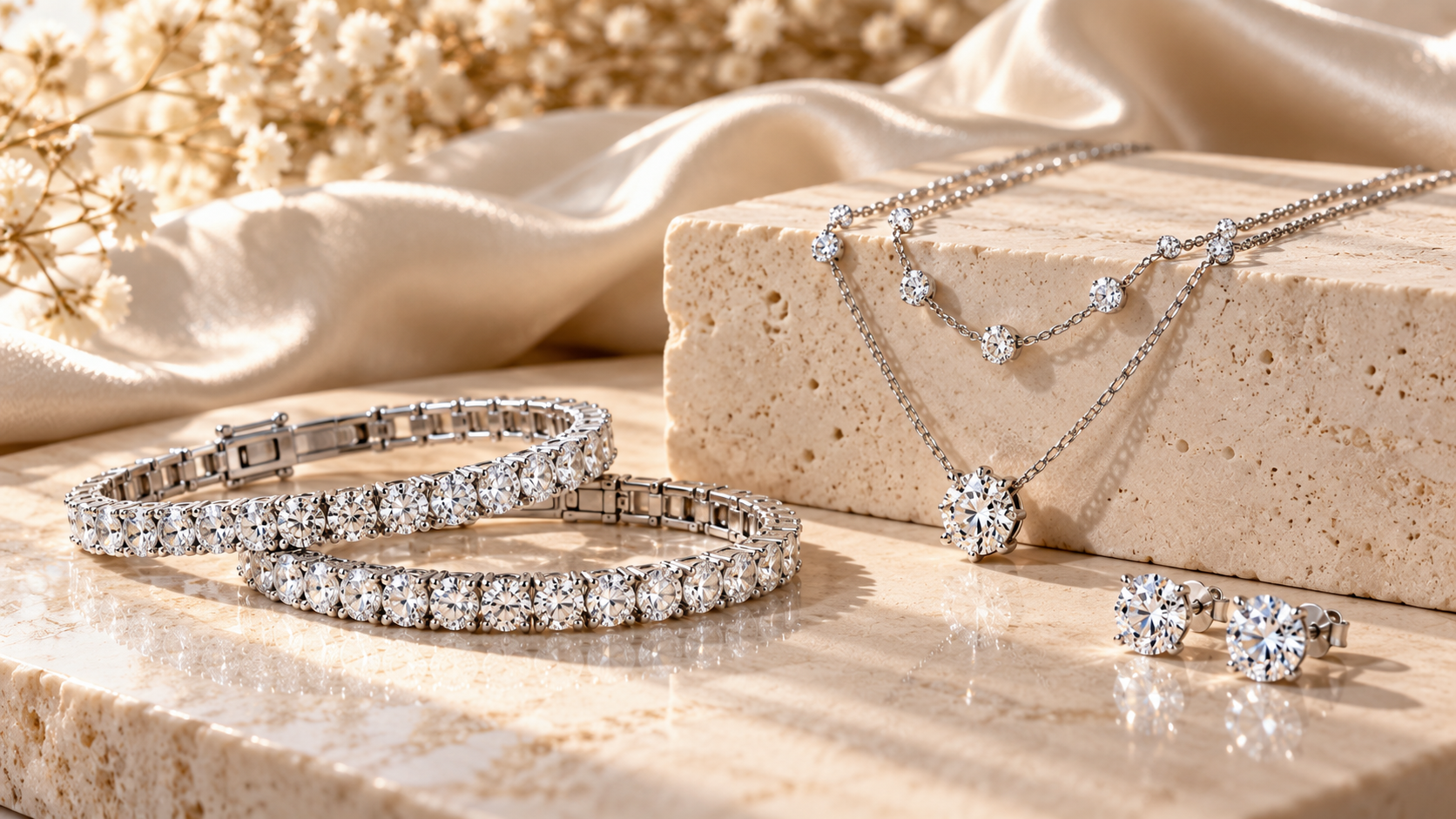
Everyday Diamond Jewelry Trends 2026: The Rise of Modern Lab-Grown Luxury
Lab Grown Diamond
Discover how lab-grown diamonds are transforming everyday luxury in 2026. Explore the latest trends in tennis bracelets, diamond necklaces, earrings and minimalist rings, and learn how Silveroni brings timeless elegance to modern fine jewelry.
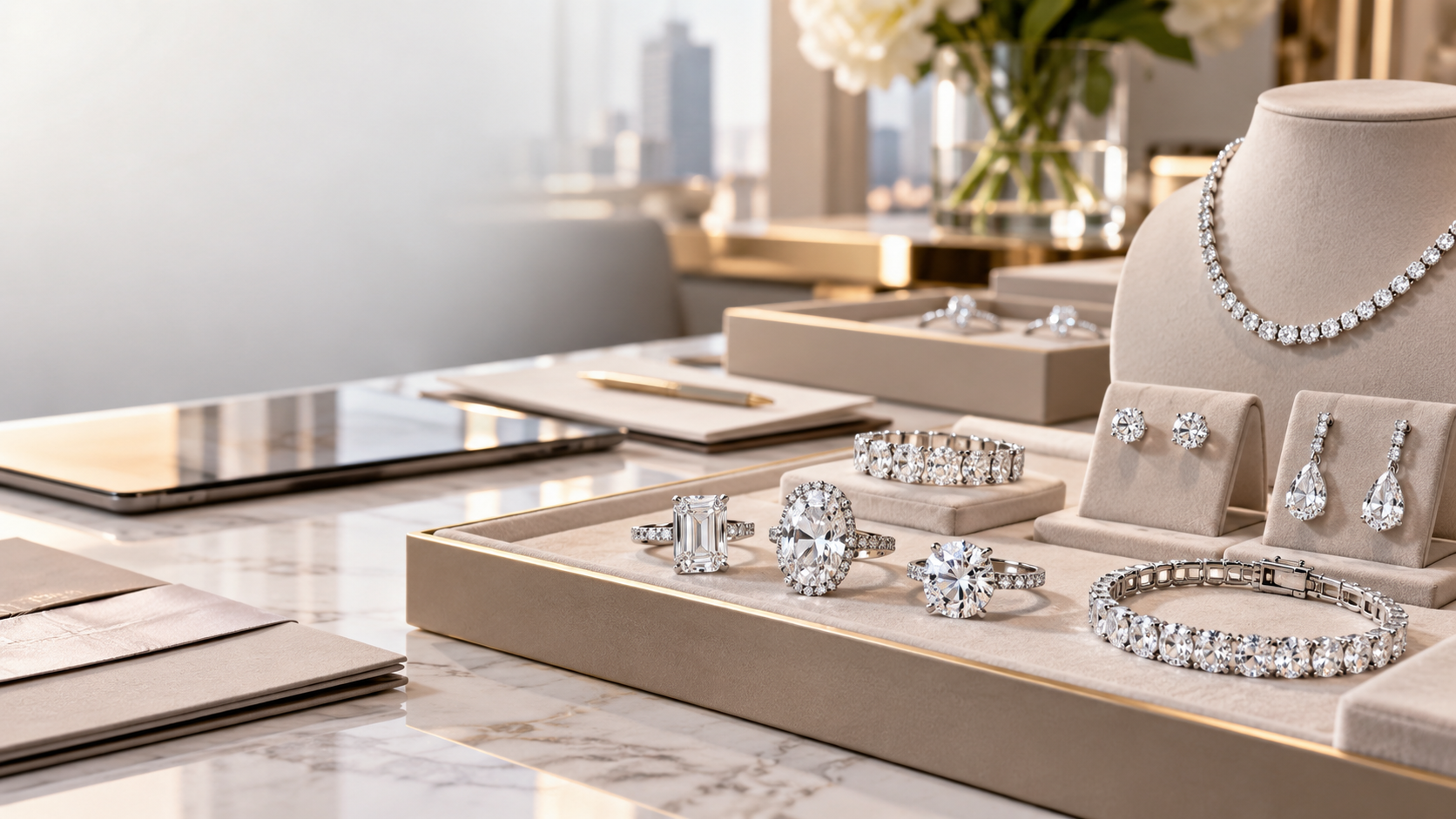
B2B Lab-Grown Diamond Jewelry: Why It Is a Smart Growth Opportunity for Jewelers in 2027
Lab Grown Diamond
Lab-grown diamond jewelry is creating new opportunities for jewelers, boutiques and e-commerce brands. Discover how wholesale sourcing, private label, custom manufacturing and flexible B2B solutions can help jewelry businesses build stronger collections and grow with Silveroni.
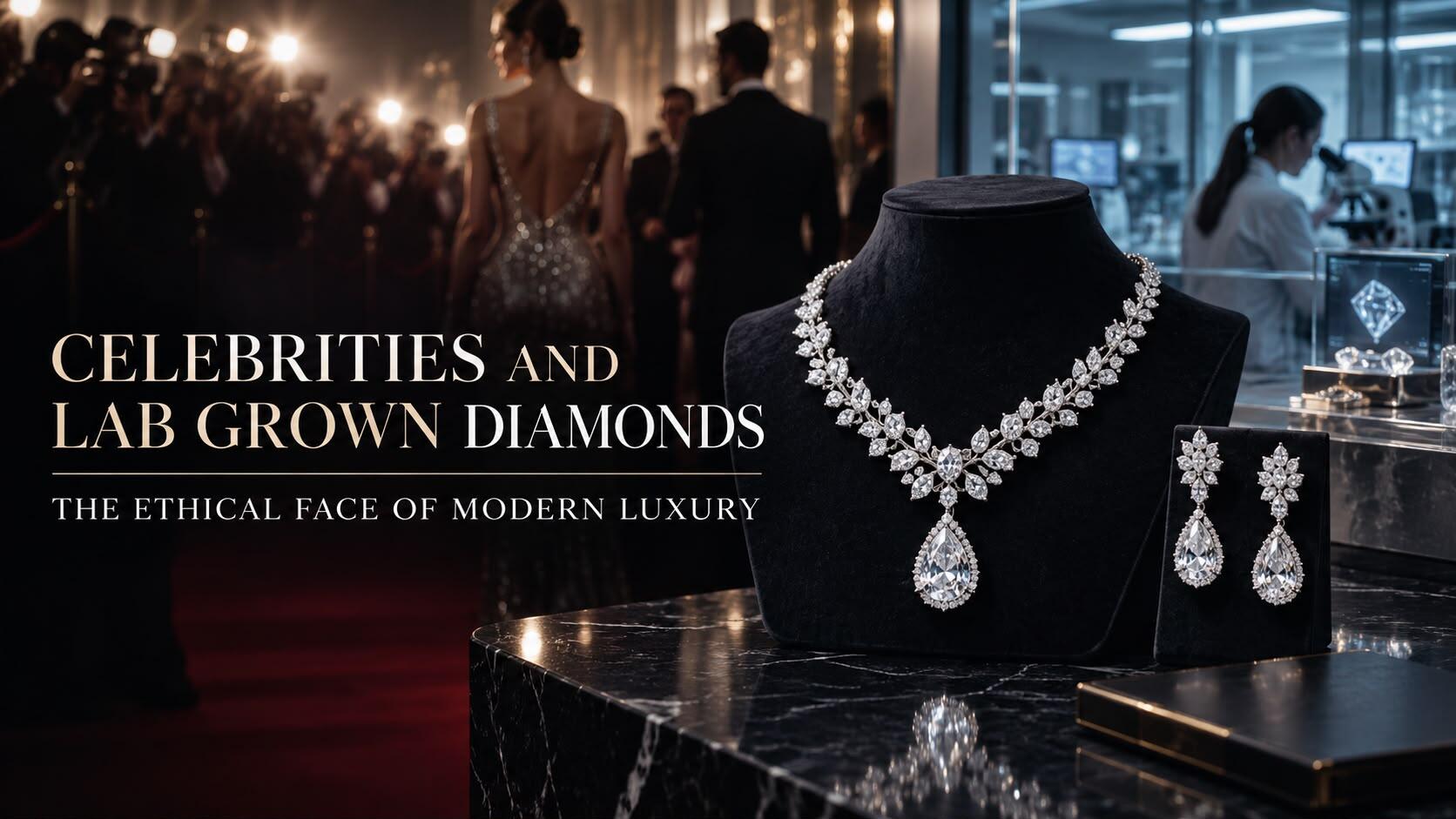
Celebrities and Lab Grown Diamonds: The Ethical Face of Modern Luxury
Lab Grown Diamond
Lab grown diamonds are no longer merely an alternative material in red carpet and stage jewelry. They are becoming part of a new definition of luxury shaped by design, scale, traceability and consumer trust.
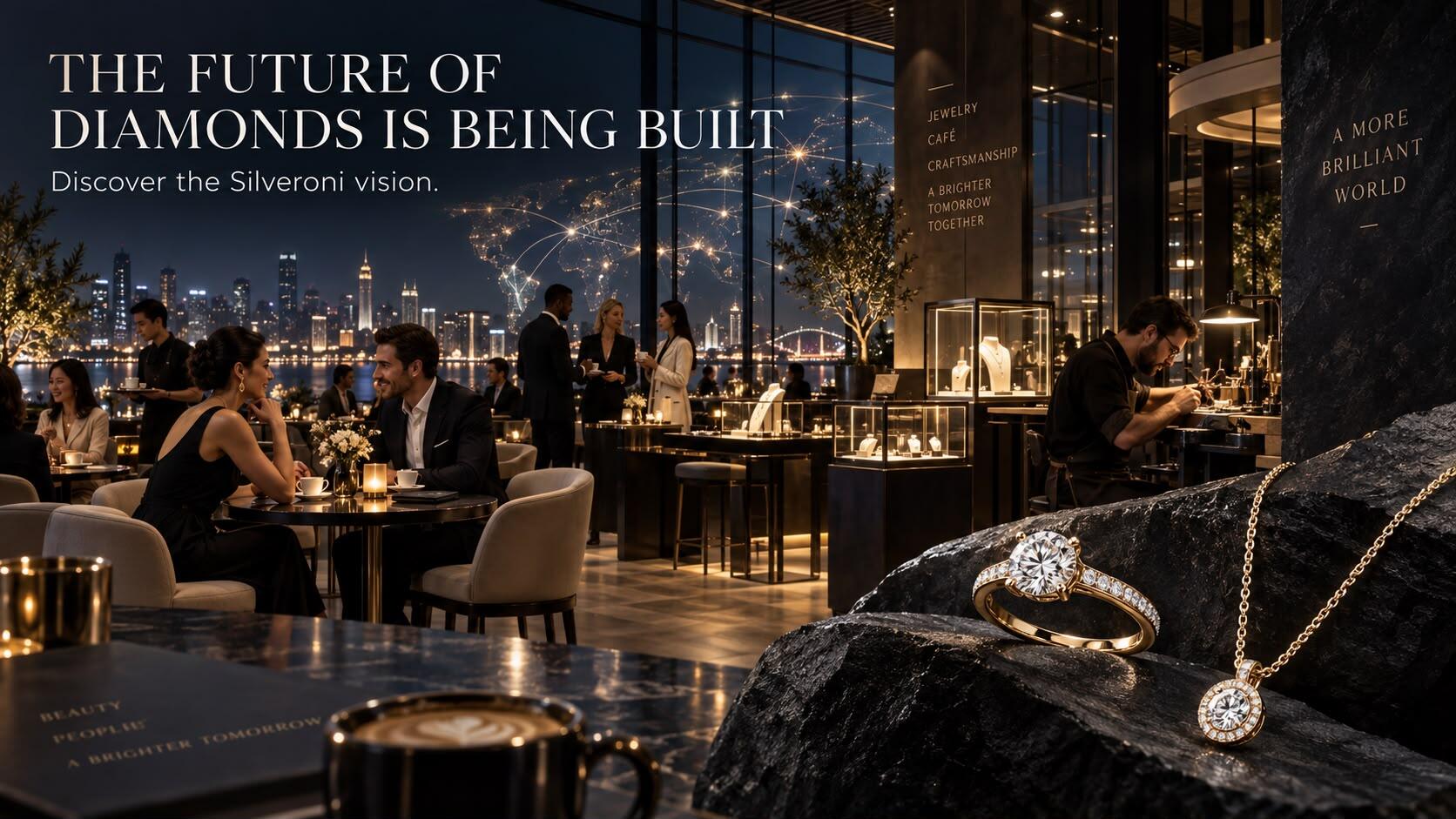
Silveroni is Working Toward That Future
Lab Grown Diamond
The future of jewelry will not be defined by diamonds alone. It will be shaped by the brands that transform diamonds into meaningful products, memorable experiences, and scalable business opportunities. Silveroni is working toward that future—step by step, market by market, and partnership by partnership.
The Diamond Hasn’t Changed. The Buying Decision Has.
Lab Grown Diamond
The New Luxury Question Is No Longer “Is It Real?”
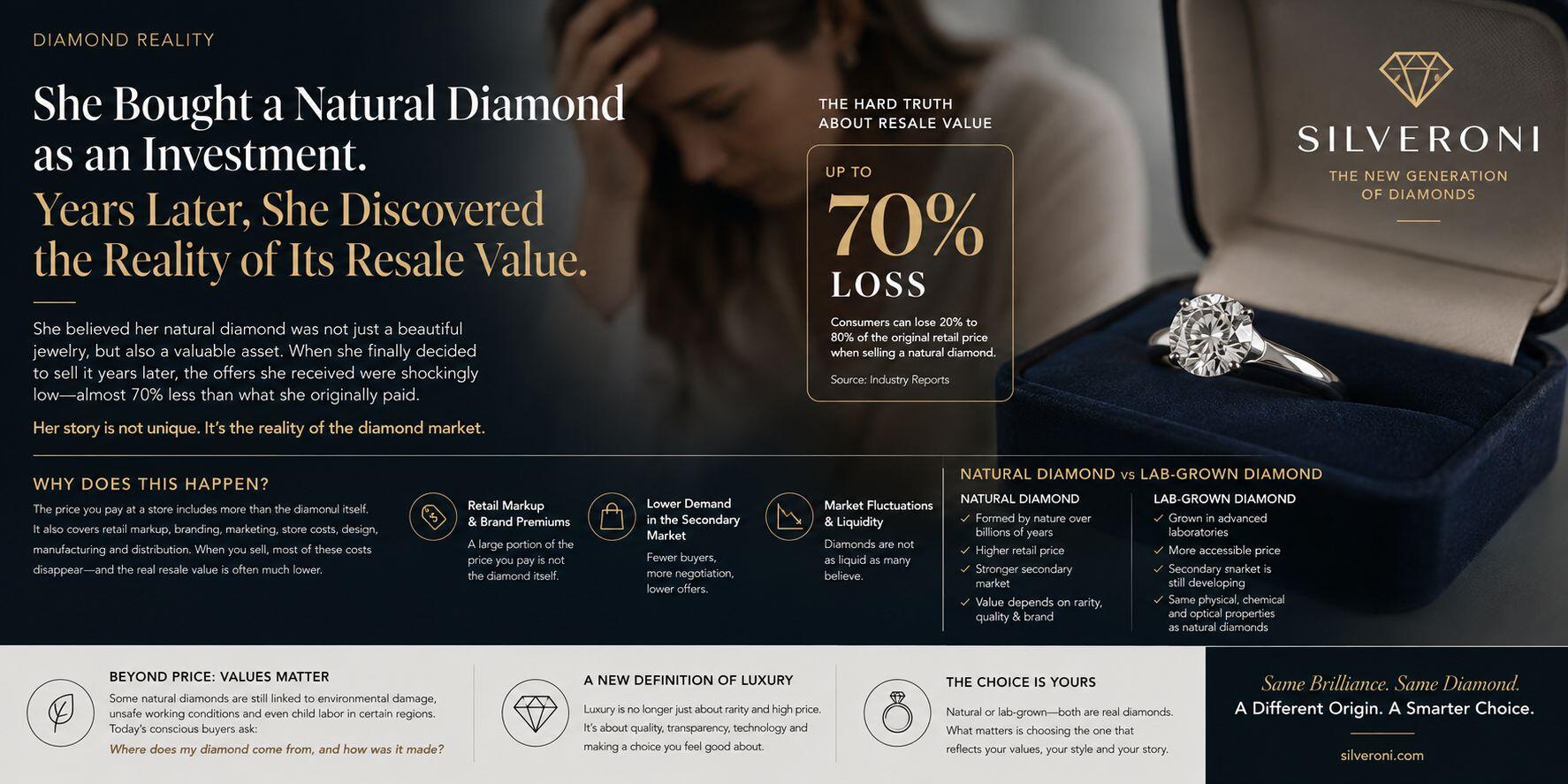
She Bought a Natural Diamond as an Investment. Years Later, She Discovered the Reality of Its Resale Value
Lab Grown Diamond
Imagine a woman who purchased a natural diamond years ago. At the time, she believed she was buying more than a beautiful piece of jewelry. She thought she was putting part of her money into something valuable, something she could keep for years and potentially convert back into cash if she ever needed it.
Diamonds Are Now Selling in Seconds on TikTok: Has a New Era of Jewelry Begun?
Lab Grown Diamond
Lab-grown diamonds are everywhere, from TikTok livestreams to luxury jewelry collections. As prices begin to stabilize, how are consumer priorities changing?