
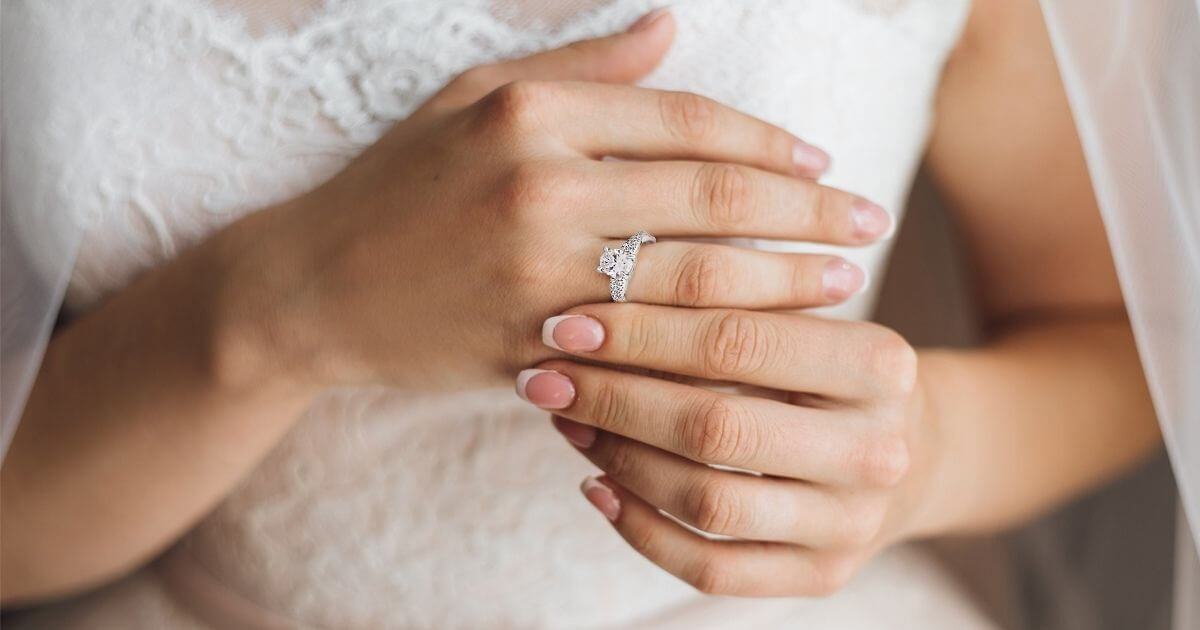
History of Wedding Rings Meaning And Traditions
History of Wedding Rings: Meaning & Traditions
Wedding rings have played a crucial role in human history, symbolizing love, commitment, and unity. Over the centuries, they have evolved from simple bands to intricate designs adorned with precious stones. But what is the history of the wedding ring, and how did this tradition originate?
In this article, we will examine the origin of the wedding ring, discussing its meaning, history, and the materials used in different cultures.
Shine like the stars with the captivating Gold Stardust Halo lab-grown diamond ring, a celestial masterpiece of brilliance and elegance!
Wedding Ring Origin: The Beginning of a Timeless Tradition
The tradition of exchanging wedding rings dates back over 5,000 years. The first known use of rings for marriage comes from Ancient Egypt. In this culture, circles symbolize eternity. These early rings were made from:
- Braided reeds and hemp
- Bone, leather, and ivory
- Metals like bronze and iron
Capture your dreams in dazzling elegance with the stunning Dreamcatcher gold lab-grown diamond ring, a symbol of beauty, grace, and endless inspiration!
People started using more substantial materials like gold and silver as the tradition grew. This change led to the rings we know today.
The symbolism of Wedding Rings: The Meaning Behind the Circle
A wedding ring's circular shape has profound significance across different cultures and eras. The key symbolism of wedding rings includes:
- Eternal love and unbreakable commitment
- An endless cycle of devotion
- A physical representation of vows
- A connection to spiritual and cultural beliefs
Vena Amoris: The Vein of Love
One of the most romantic stories about wedding rings is the Vena Amoris. This means "vein of love." Ancient Romans believed that a unique vein ran directly from the fourth finger of the left hand to the heart. Although modern anatomy has debunked this theory, the tradition continues worldwide.
Ancient Egyptian Rings: The First Wedding Rings
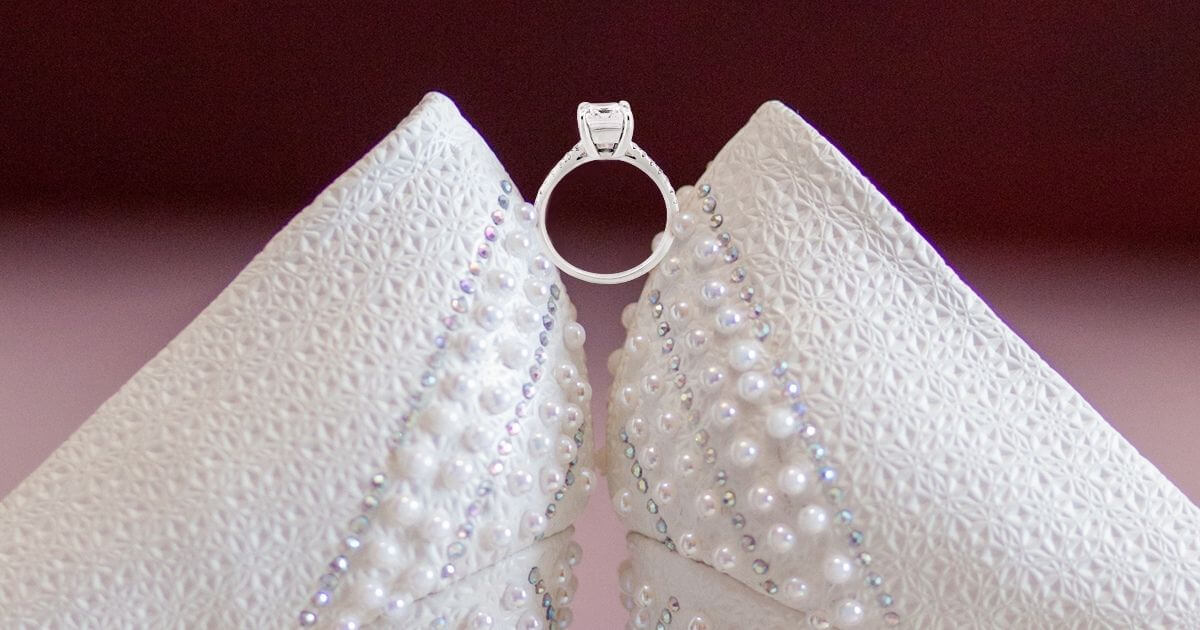
Ancient Egyptians were the first civilization known to use rings as symbols of love and commitment. Their rin
gs were crafted from natural materials and represented forever love and togetherness. Some key features of Ancient Egyptian rings include:
- Simple braided designs crafted from reeds or leather
- Carvings of sacred symbols such as the Ankh (symbol of life)
- Gold rings for the wealthy, representing status and longevity
Evolution of Wedding Rings: From Ancient to Modern Times
Wedding rings have evolved over thousands of years, with significant changes in styles and materials. Here's a brief timeline of this transformation:
- Ancient Egypt (3000 BCE): Rings made from reeds and bone symbolized eternity.
- Ancient Rome (100 BCE): Iron and gold rings signified legal marriage.
- Medieval Europe (1100s): Engraved rings with love inscriptions became popular.
- Renaissance (1500s): The introduction of diamond rings as engagement symbols.
- Victorian Era (1800s): Romantic gold wedding rings with floral designs gained popularity.
- 20th Century: The widespread adoption of wedding rings in Western culture.
- 21st Century: Personalized, minimalist, and unique rings reflect individual styles.
Celebrate eternal elegance with the exquisite Timeless Oval Trilogy lab-grown diamond ring, a stunning symbol of past, present, and future love!
Materials Used in Wedding Rings: A Reflection of Time and Culture
The materials used in wedding rings have evolved over the years. Some of the most commonly used materials include:
- Gold Wedding Rings: The traditional choice, valued for its durability and symbolism.
- Platinum: A luxurious and highly durable metal.
- Silver: A more affordable yet elegant alternative.
- Titanium and Tungsten: Modern metals that provide strength and longevity.
- Wood and Silicone: Eco-friendly and contemporary options for casual wear.
Cultural Significance of Wedding Rings: A Global Perspective
The cultural significance of wedding rings varies across the world. Here are some notable traditions:
- Western Traditions: Rings are worn on the fourth finger of the left hand to symbolize eternal love.
- Indian Weddings: Some brides wear a "mangalsutra," a sacred necklace instead of rings.
- Jewish Weddings: Simple gold bands without engravings are traditionally used.
- Chinese Traditions: Rings are less common, though they have become more popular due to Western influence.
- Nordic Cultures: Engagement rings are worn by men and women as a sign of equality.
Conclusion
The history of wedding rings is a fascinating journey that spans millennia. From their start in Ancient Egyptian rings to today's elegant diamond wedding rings, these small symbols of love keep changing.
The meaning is the same whether you choose a gold wedding ring, a traditional band, or a modern style. A we
Elevate your style with the stunning Triple Brilliance lab-grown diamond band, a radiant fusion of elegance, sophistication, and timeless beauty!
The wedding ring represents an everlasting bond between two people. As tradition evolves, wedding rings will remain a timeless symbol of love and commitment for generations.
-
What is the origin of wedding rings?
Wedding rings date back to ancient Egypt, around 5,000 years ago. Egyptians made rings from reeds and plants to symbolize eternal love.
-
Why are wedding rings worn on the fourth finger of the left hand?
-
Why are wedding rings circular in shape?
-
Indulge in timeless elegance with the exquisite Oval Perfection lab grown diamond band. A flawless blend of brilliance and sophistication!
How have wedding ring materials evolved?
-
When did diamond engagement rings become popular?
For More Great Information, You Can Read These:
Brilliant Earth vs Silveroni – Honest, In-Depth Lab Grown Diamond Comparison
Silveroni vs Blue Nile – Key Differences in Lab Grown Diamonds
Explore More from Silveroni
Lab Grown Diamond Rings: Lab Grown Diamond Rings 2025 - Silveroni
Mars Treasures Gemstone / Birthstone Collection: Discover Mars Treasures Unique Jewelry at Silveroni
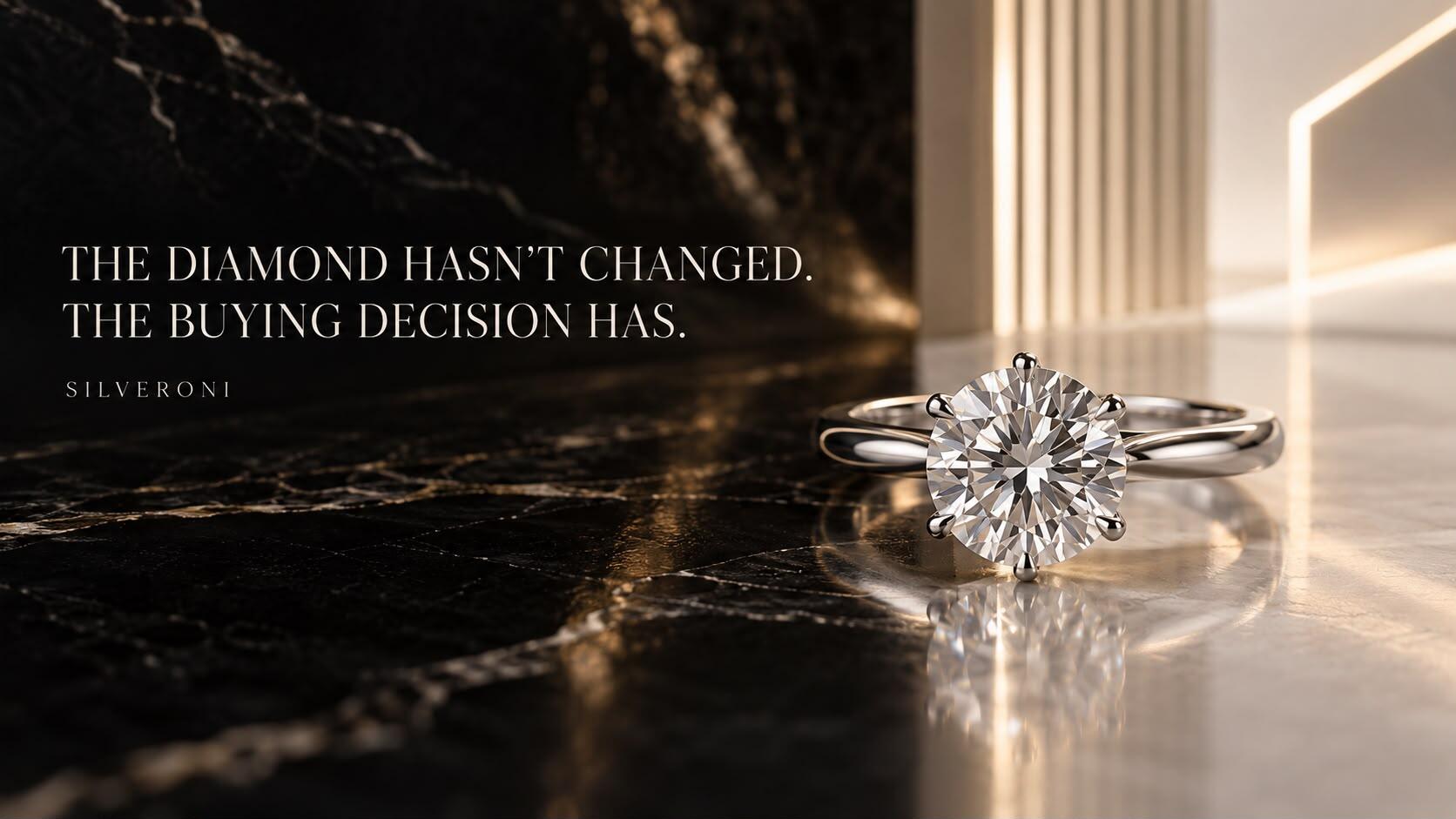
The Diamond Hasn’t Changed. The Buying Decision Has.
Lab Grown Diamond
The New Luxury Question Is No Longer “Is It Real?”
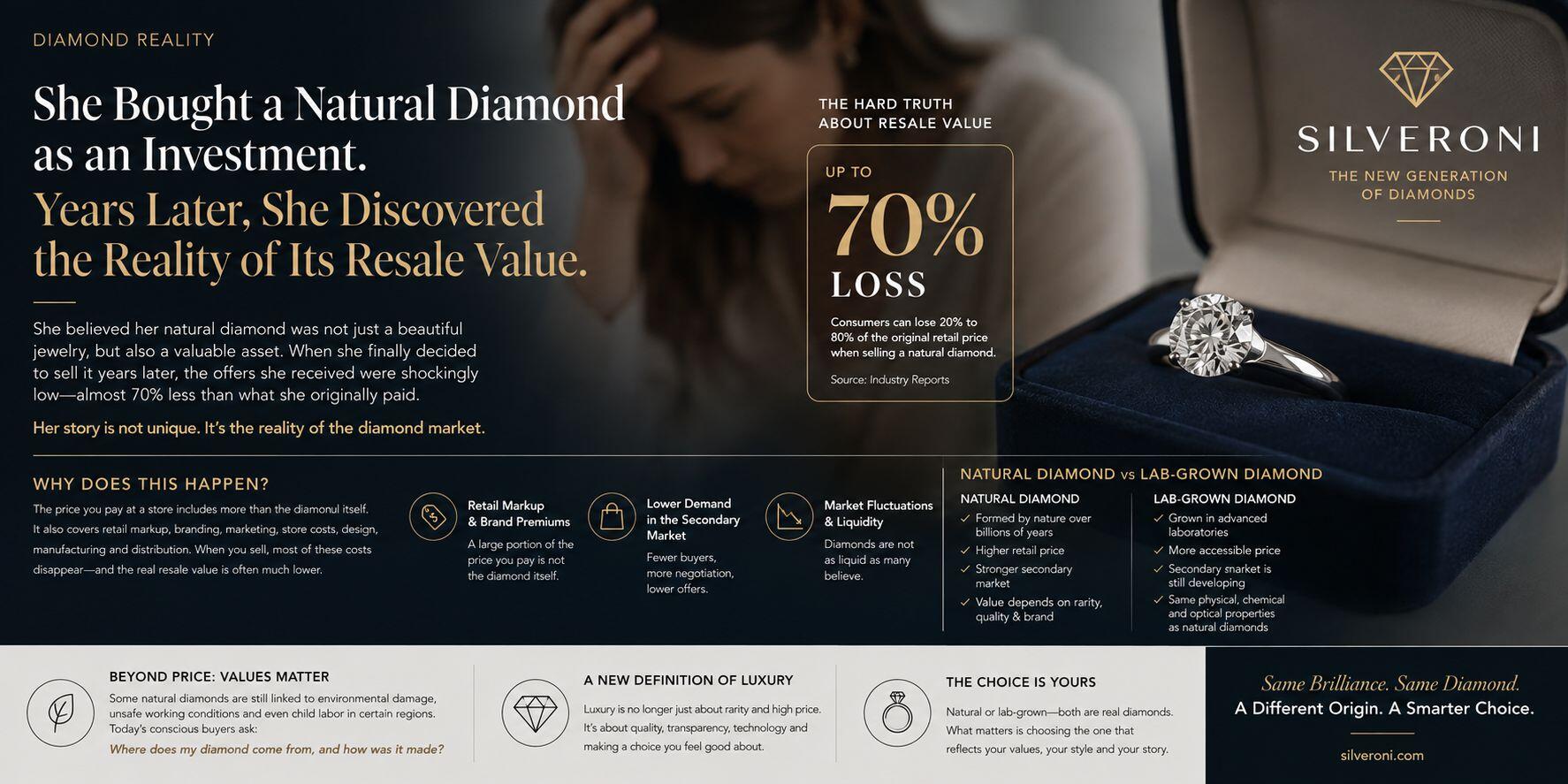
She Bought a Natural Diamond as an Investment. Years Later, She Discovered the Reality of Its Resale Value
Lab Grown Diamond
Imagine a woman who purchased a natural diamond years ago. At the time, she believed she was buying more than a beautiful piece of jewelry. She thought she was putting part of her money into something valuable, something she could keep for years and potentially convert back into cash if she ever needed it.
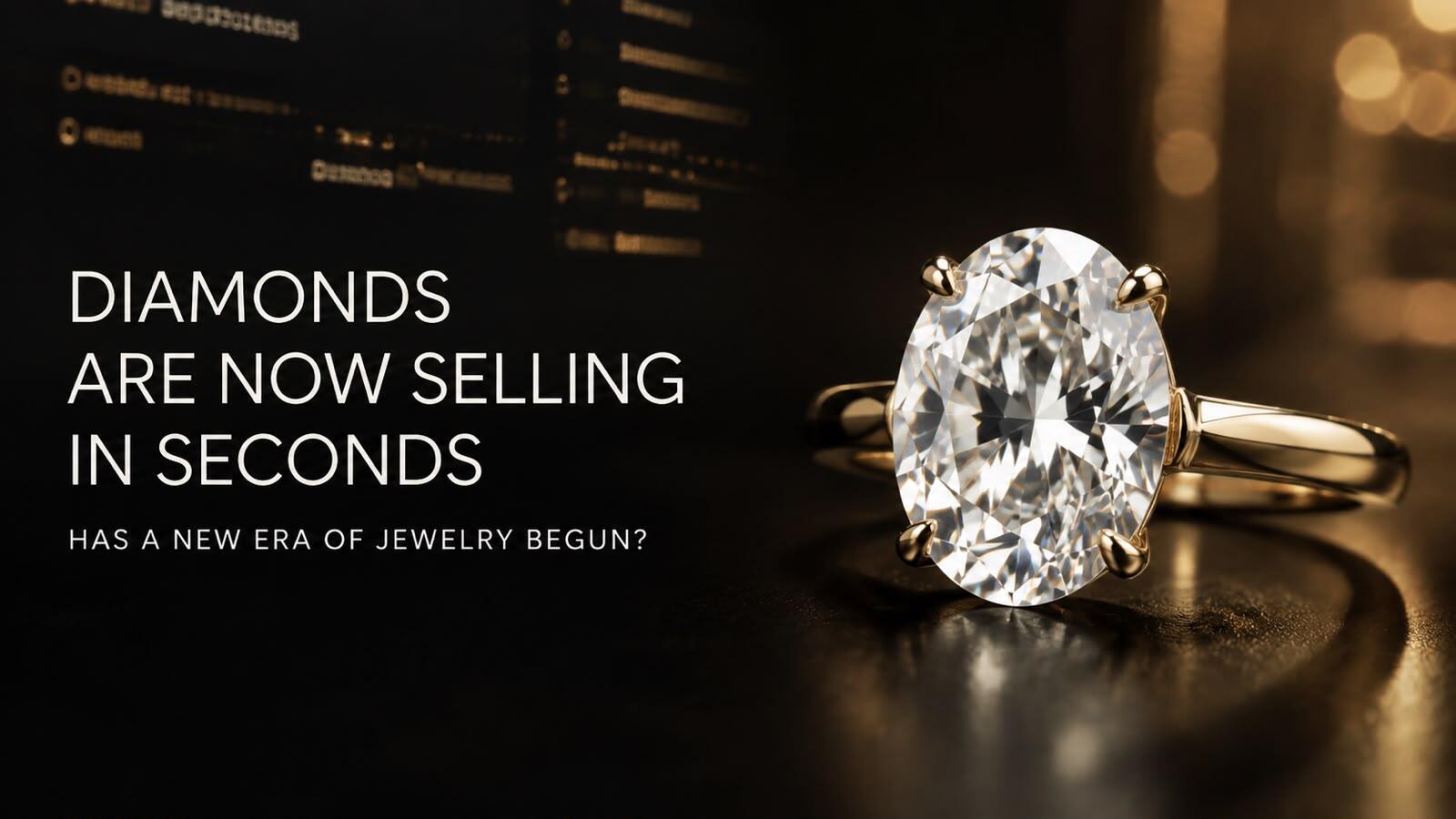
Diamonds Are Now Selling in Seconds on TikTok: Has a New Era of Jewelry Begun?
Lab Grown Diamond
Lab-grown diamonds are everywhere, from TikTok livestreams to luxury jewelry collections. As prices begin to stabilize, how are consumer priorities changing?
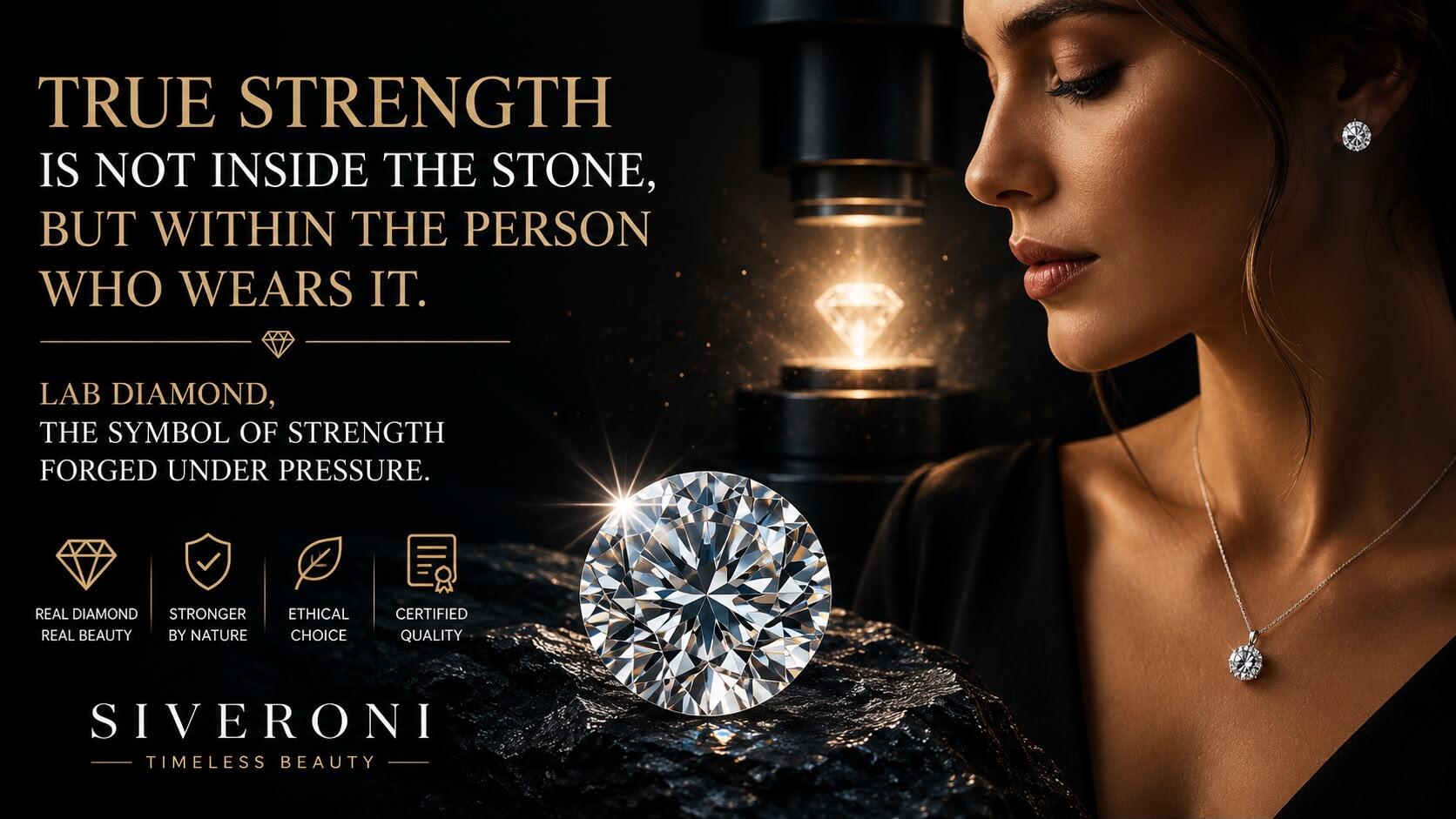
True Strength Is Within You: Why a Lab-Grown Diamond Represents Resilience
Lab Grown Diamond
Discover how lab-grown diamonds symbolize resilience, strength, and modern luxury. Learn why certified lab-grown diamonds represent more than beauty—they reflect perseverance, purpose, and personal values.
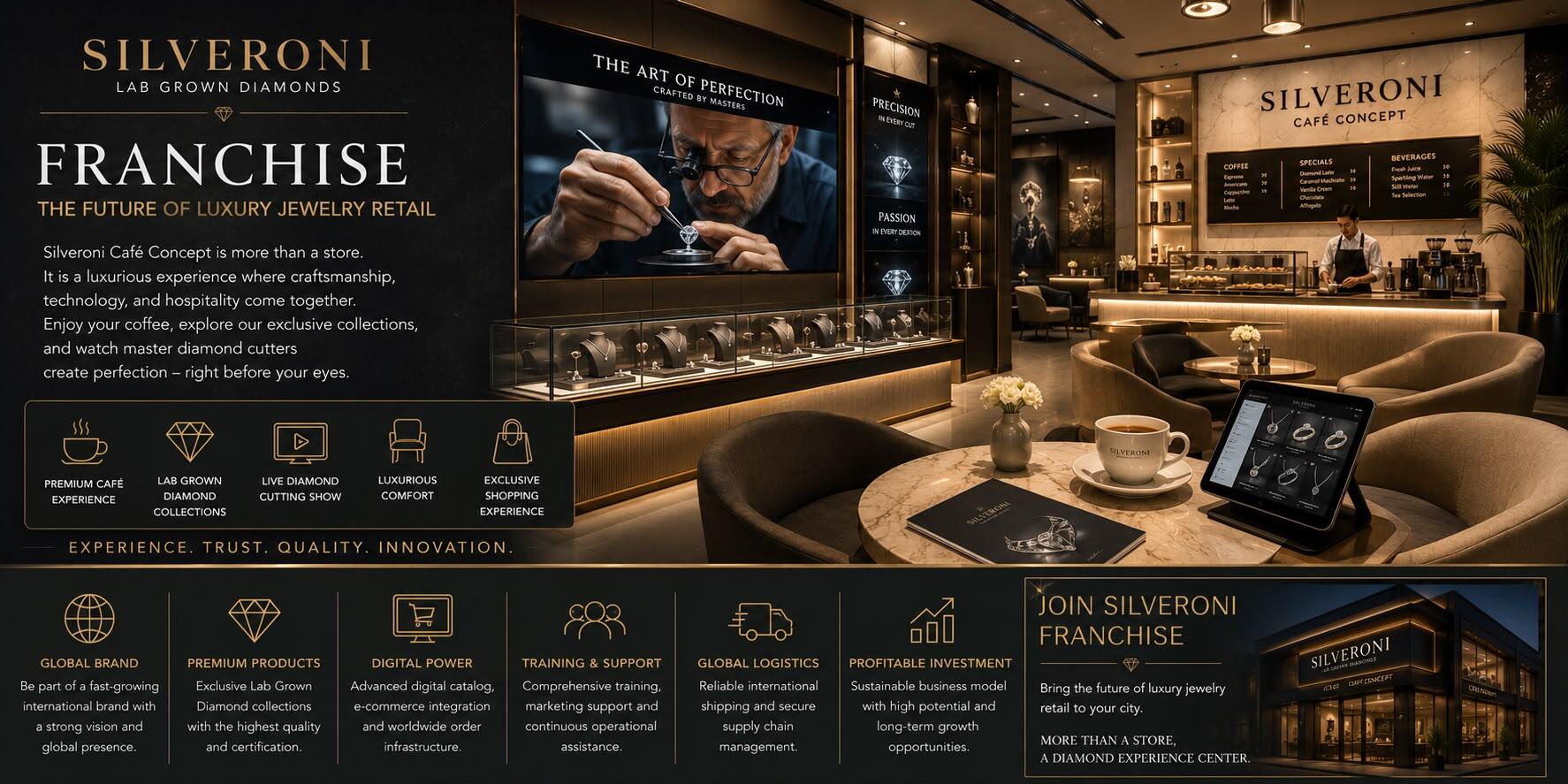
How Silveroni Is Redefining Luxury Jewelry Retail with an Innovative Franchise Concept
Lab Grown Diamond
Discover how Silveroni is transforming luxury jewelry retail with its innovative franchise model that combines premium lab-grown diamonds, café hospitality, immersive customer experiences and modern luxury boutique design.
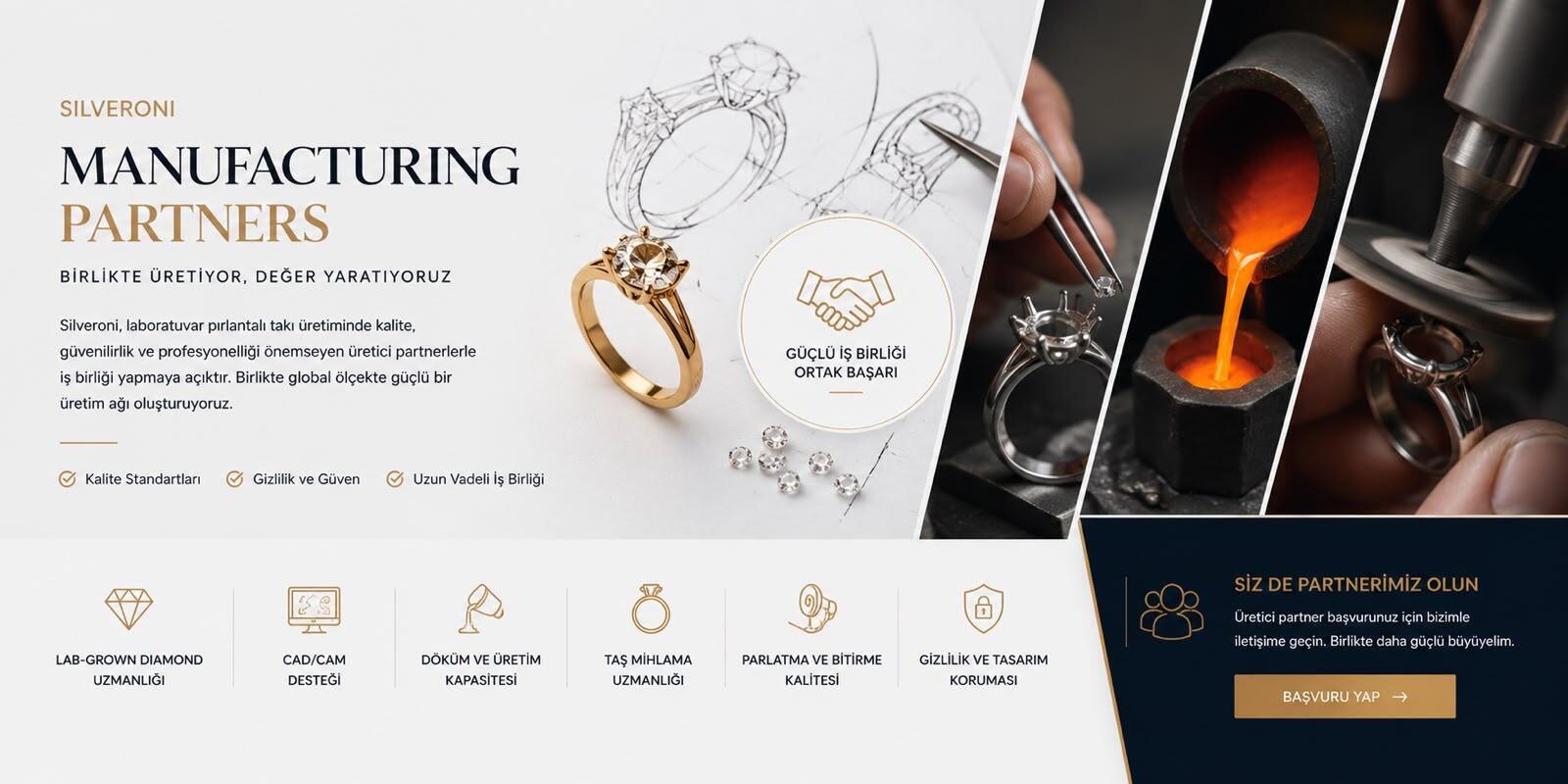
Why Manufacturing Partnerships Matter in Modern Jewelry Business
Lab Grown Diamond
Discover why professional manufacturing partnerships are becoming increasingly important for wholesale, private-label and custom lab-grown diamond jewelry businesses, and how the right production partner can support long-term growth.
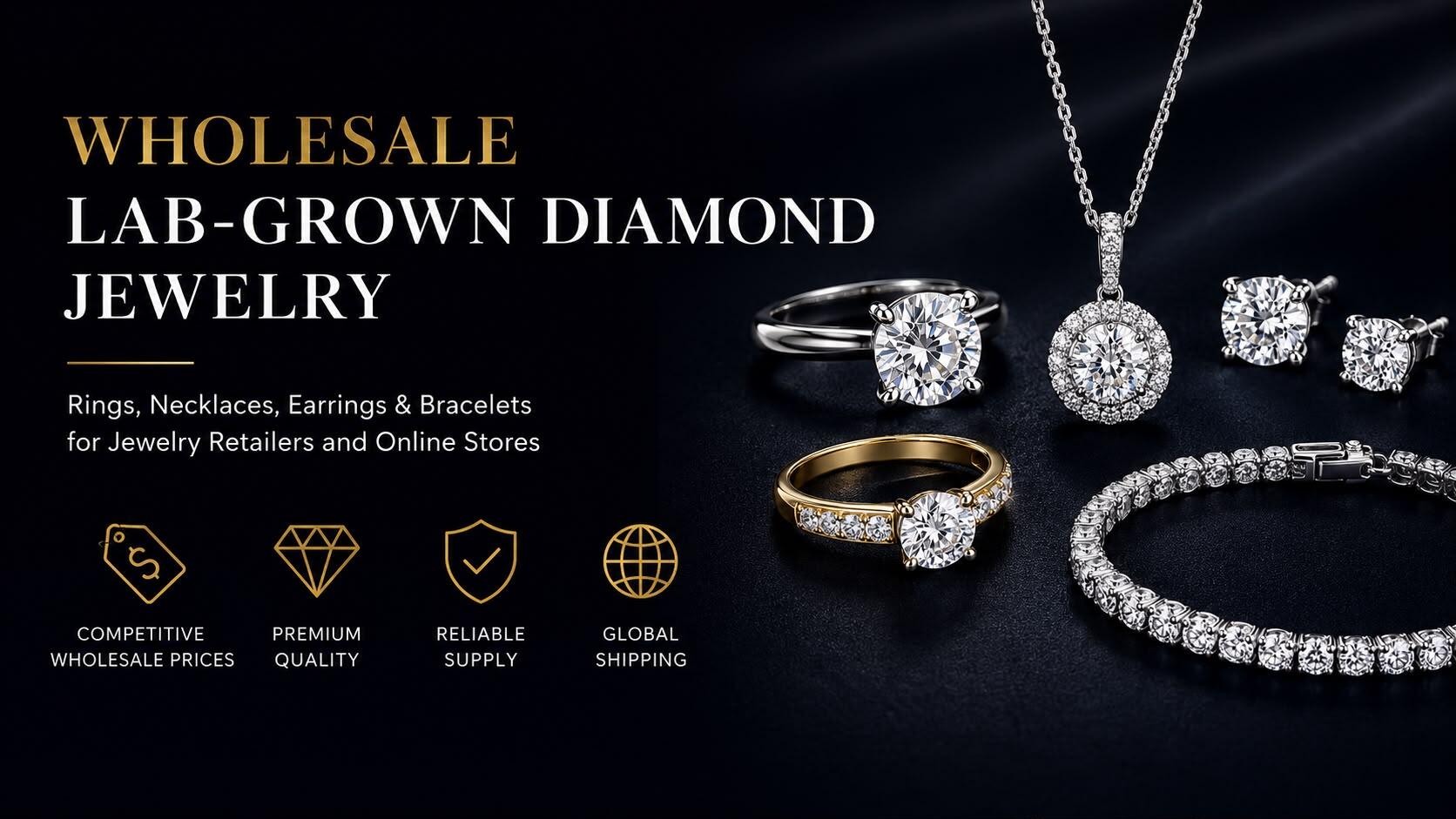
How to Choose a Lab-Grown Diamond Jewelry Supplier for Your Store
Lab Grown Diamond
Learn how jewelry retailers and online stores can choose a lab-grown diamond jewelry supplier for wholesale, private-label and business growth.
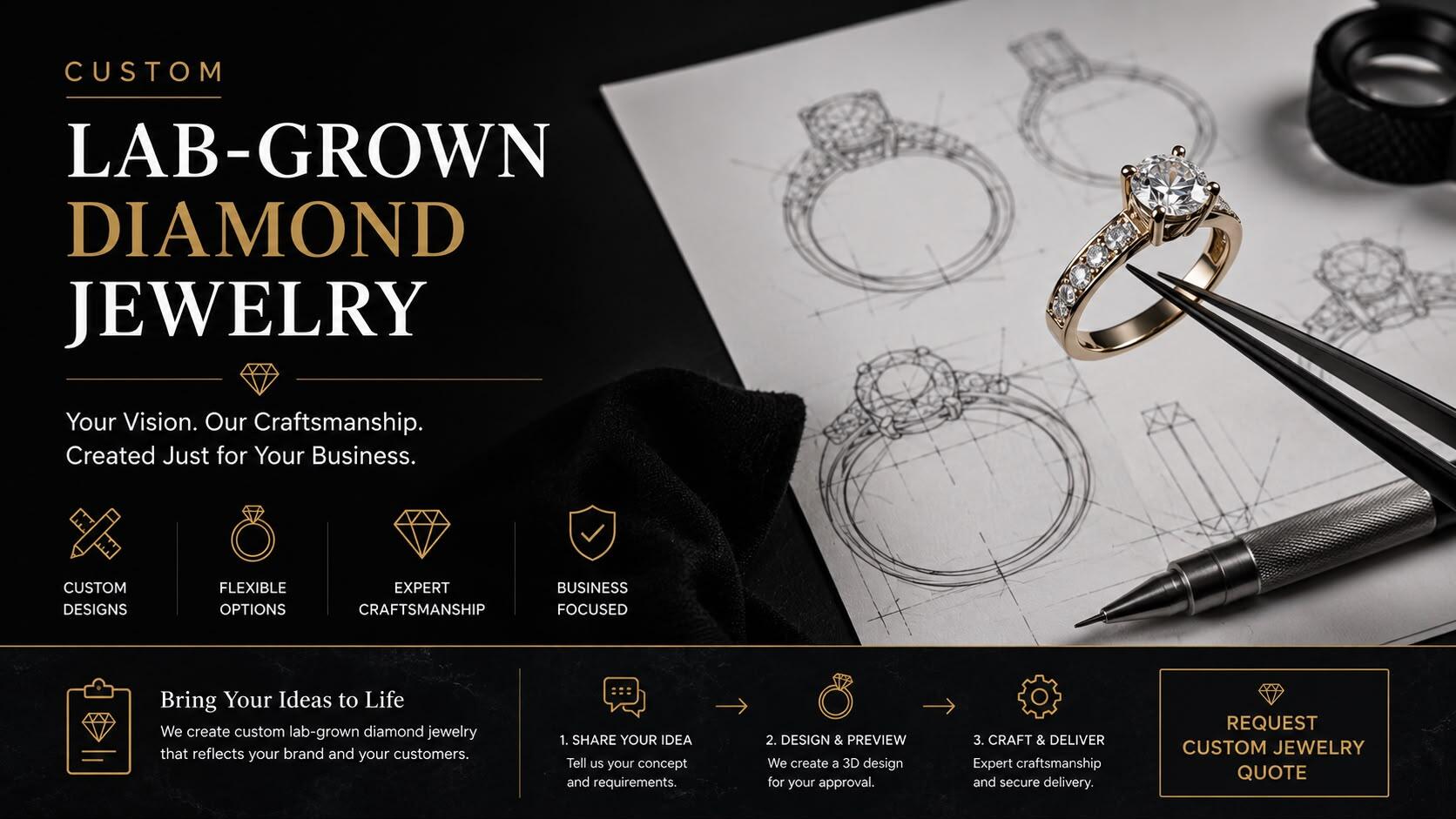
How to Choose a Lab-Grown Diamond Jewelry Supplier for Your Store
Lab Grown Diamond
Learn how jewelry retailers and online stores can choose a lab-grown diamond jewelry supplier for wholesale, private-label and business growth.