
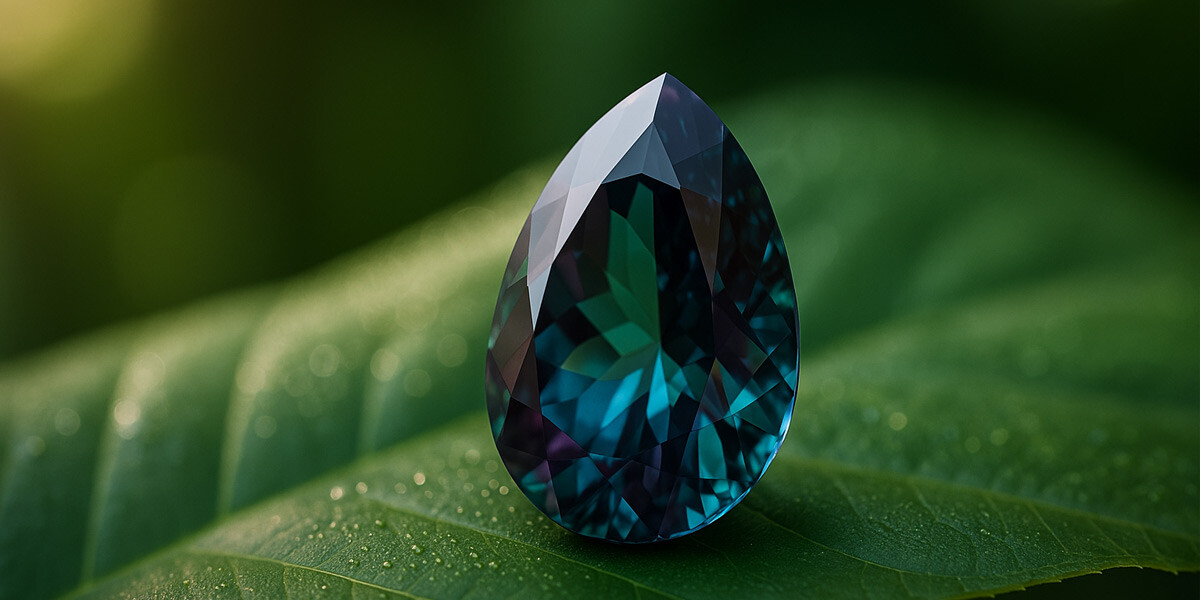
June Birthstone Alexandrite: The Enigmatic Birthstone | Meaning, History & Lab-Grown Insights
June Birthstone Alexandrite: The Enigmatic Birthstone
A Gemstone of Duality and Transformation
The June birthstone Alexandrite stands famous for its distinctive ability to change colors. Under daylight the stone shows a vibrant green to bluish-green hue but shifts to a purplish-red color under incandescent light. The "alexandrite effect" emerges from the mineral's complex light absorption mechanism. In the 1830s Russian mining professionals discovered Alexandrite in the Ural Mountains which led to the gemstone receiving its namesake in honor of Tsar Alexander II.
Symbolism and Cultural Significance
Alexandrite possesses both visual attraction and deep symbolic values. The balance of physical and spiritual elements is what the gemstone typically represents. People who follow metaphysical beliefs believe that Alexandrite helps individuals develop their intuition and boost their creative thinking abilities. People see the color-changing ability of this gemstone as an analogy for the natural fluctuations in life while emphasizing the importance of being flexible.
Astrological Associations
The birthstone Alexandrite holds astrological connections to Gemini and Cancer since these zodiac signs occur during June. Gemini people who have dual personality traits match with the color-changing nature of Alexandrite which represents flexible behavior. The stone serves to stabilize Cancer emotions while it enhances their intuitive abilities.
The Rarity and Value of Natural Alexandrite
Natural Alexandrite stands among the rarest gemstones on the planet thus creating high demand and substantial value for this gemstone. A high-quality Alexandrite specimen displaying intense color transition and minimal inclusion points reaches market prices exceeding $10,000 per carat. Natural Alexandrite becomes hard to find for both buyers and sellers because of its limited availability in nature.
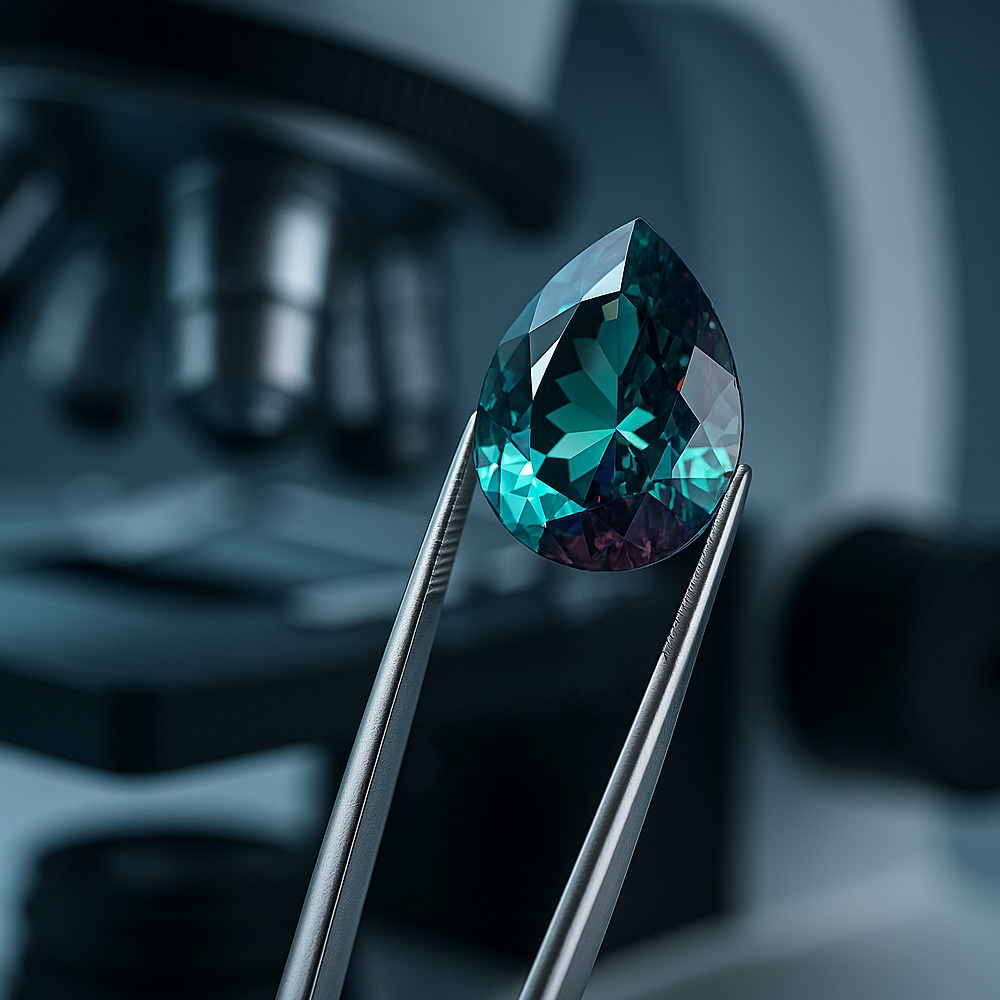
Lab Grown Alexandrite: A Sustainable Alternative
The development of laboratory-made Alexandrite gemstones now provides consumers with an affordable and environmentally friendly alternative to natural stones. Synthetic stones have the exact chemical structure and physical attributes as their natural counterparts including the distinctive color-shifting effect. The production of lab-grown Alexandrite happens without environmental damage from mining thus providing an eco-friendly choice to environmentally aware buyers.
You Can See our Lab Grown June Birthstone Alexandrite : HERE
Benefits of Lab Grown Alexandrite
Cost of lab grown Alexandrite is lower than natural stones so this enables greater accessibility to its beauty.
Controlled nature of this stone's creation eliminates ethical issues that mining operations create.
Manufacturing process for lab-grown gemstones produces lower energy usage and generates smaller amounts of carbon emissions than traditional mining methods.
Consistent quality of lab-grown Alexandrite includes fewer inclusions along with more predictable color transformations.
Alexandrite in Jewelry
Alexandrite stands out as a popular jewelry stone because its unique color transformation works well in different types of jewelry such as rings, necklaces and earrings. Its Mohs hardness rating of 8.5 ensures durability that makes it suitable for regular wear. The mystique and elegance of any design gets enhanced by Alexandrite which can be set in white gold, yellow gold or platinum.
Caring for Your Lab Grown June Birthstone Alexandrite
To keep your Alexandrite jewelry shining brightly you should follow these maintenance steps:
Cleaning: Use warm soapy water and a soft brush to clean the stone.
goodmark
Keep the gemstone protected from exposure to strong chemicals as well as extreme heat.
Correct storage method for Alexandrite involves separating individual pieces to stop harder gemstones from causing damage.
Conclusion
Alexandrite emerges as an exceptional gemstone because it embodies the qualities of equilibrium and transformation alongside the ability to adjust to new situations. People born in June along with gemstone collectors admire the rareness and color-changing abilities of this stone. The emergence of lab-grown alternatives enables more people to access the beauty of Alexandrite through sustainable and ethical practices.
June Birthstone Alexandrite and the Future of Conscious Jewelry
The growing global interest in sustainable practices and ethical sourcing has made lab-grown Alexandrite a preferred gemstone for designers and consumers who value both sustainability and aesthetic beauty. This contemporary gemstone keeps the natural beauty of its original form intact while demonstrating sustainable luxury practices that protect the environment. People who want a June birthstone representing change and sparkle with sustainability should consider lab-grown Alexandrite as their ideal choice.
The conscious transformation in the jewelry industry begins with Silveroni Lab Diamond which creates high quality lab grown gemstones that combine excellence with ethical standards. The collection showcases June Birthstone Alexandrite which maintain the same brilliance and durability as natural stones while following sustainable production methods. The jewelry industry enters a new age that unites aesthetic appeal with meaningful value.
You Can See our Lab Grown June Birthstone Alexandrite : HERE
For More Great Information, You Can Read These:
Brilliant Earth vs Silveroni – Honest, In-Depth Lab Grown Diamond Comparison
Silveroni vs Blue Nile – Key Differences in Lab Grown Diamonds
Explore More from Silveroni
Lab Grown Diamond Rings: Lab Grown Diamond Rings 2025 - Silveroni
Mars Treasures Gemstone / Birthstone Collection: Discover Mars Treasures Unique Jewelry at Silveroni
B2B Lab-Grown Diamond Jewelry: Why It Is a Smart Growth Opportunity for Jewelers in 2027
Lab Grown Diamond
Lab-grown diamond jewelry is creating new opportunities for jewelers, boutiques and e-commerce brands. Discover how wholesale sourcing, private label, custom manufacturing and flexible B2B solutions can help jewelry businesses build stronger collections and grow with Silveroni.
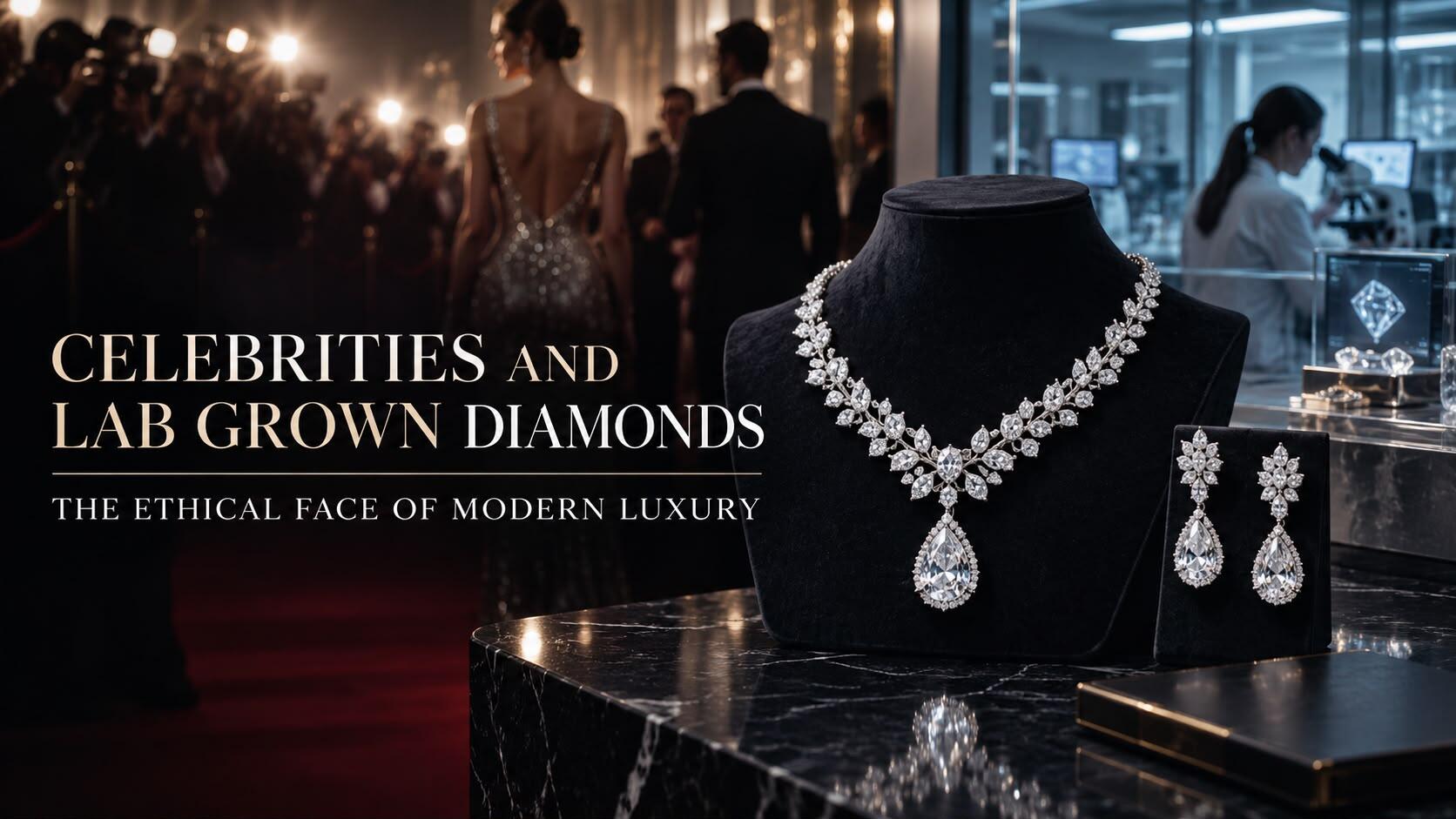
Celebrities and Lab Grown Diamonds: The Ethical Face of Modern Luxury
Lab Grown Diamond
Lab grown diamonds are no longer merely an alternative material in red carpet and stage jewelry. They are becoming part of a new definition of luxury shaped by design, scale, traceability and consumer trust.
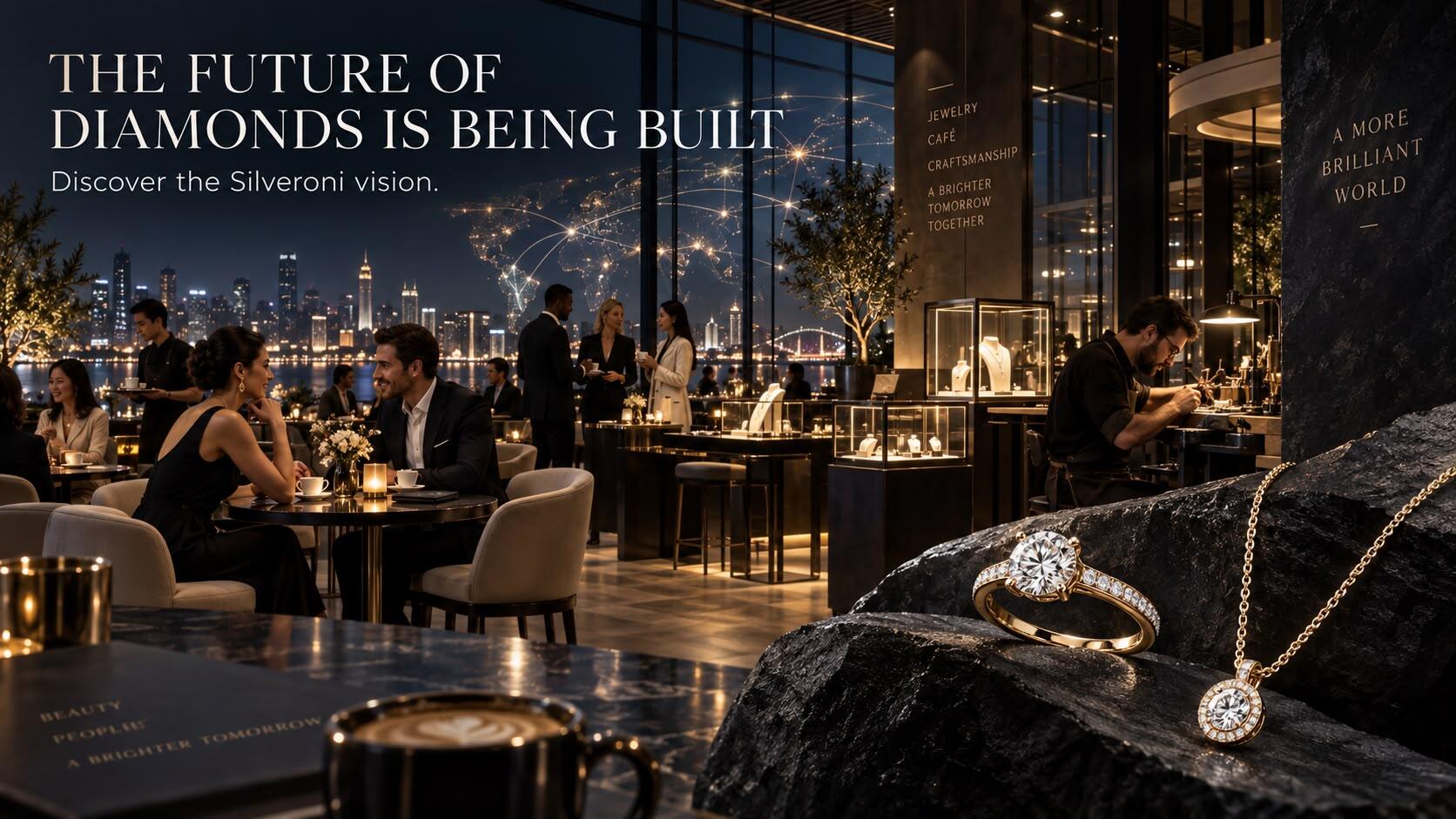
Silveroni is Working Toward That Future
Lab Grown Diamond
The future of jewelry will not be defined by diamonds alone. It will be shaped by the brands that transform diamonds into meaningful products, memorable experiences, and scalable business opportunities. Silveroni is working toward that future—step by step, market by market, and partnership by partnership.
The Diamond Hasn’t Changed. The Buying Decision Has.
Lab Grown Diamond
The New Luxury Question Is No Longer “Is It Real?”
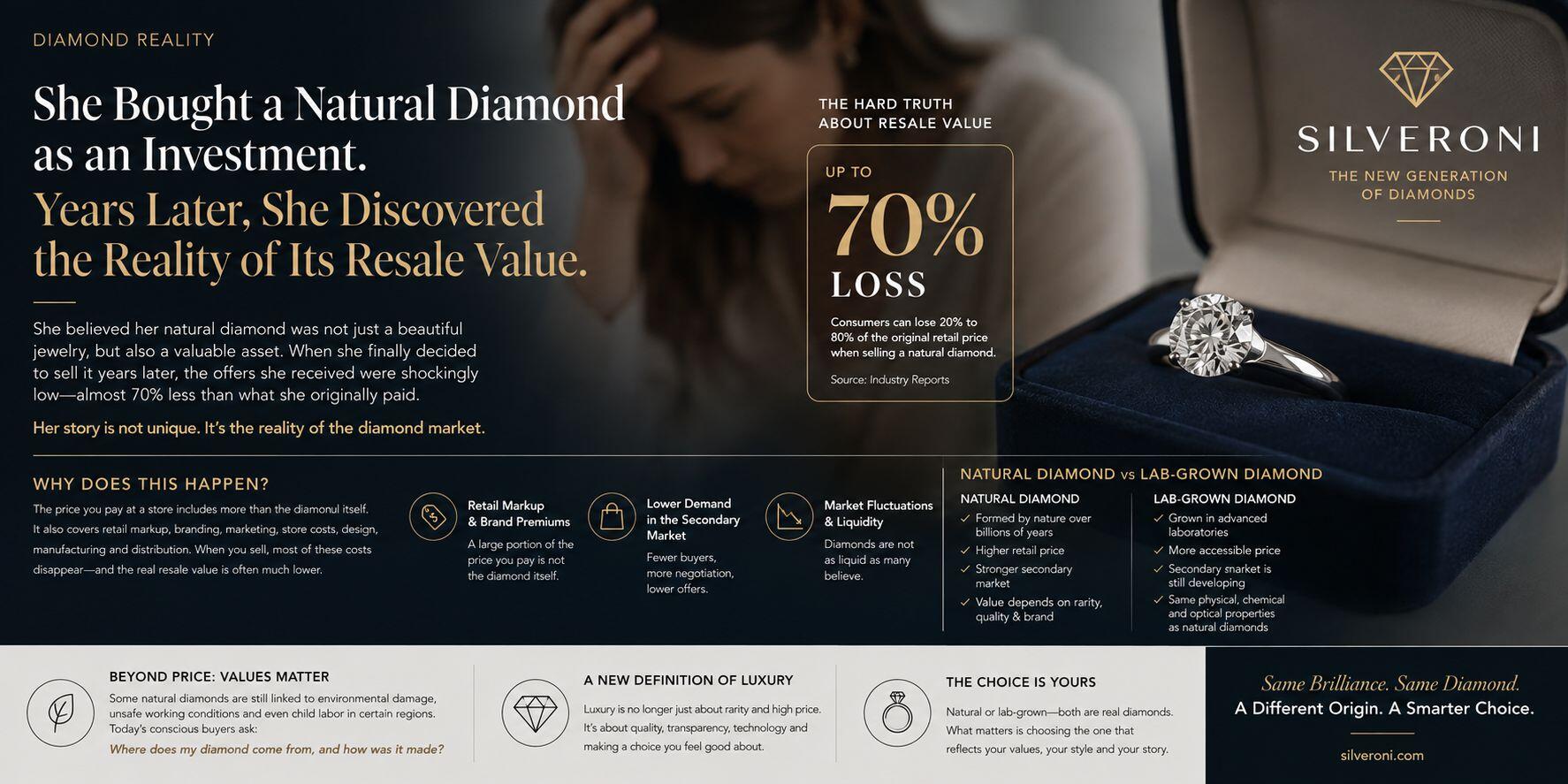
She Bought a Natural Diamond as an Investment. Years Later, She Discovered the Reality of Its Resale Value
Lab Grown Diamond
Imagine a woman who purchased a natural diamond years ago. At the time, she believed she was buying more than a beautiful piece of jewelry. She thought she was putting part of her money into something valuable, something she could keep for years and potentially convert back into cash if she ever needed it.
Diamonds Are Now Selling in Seconds on TikTok: Has a New Era of Jewelry Begun?
Lab Grown Diamond
Lab-grown diamonds are everywhere, from TikTok livestreams to luxury jewelry collections. As prices begin to stabilize, how are consumer priorities changing?
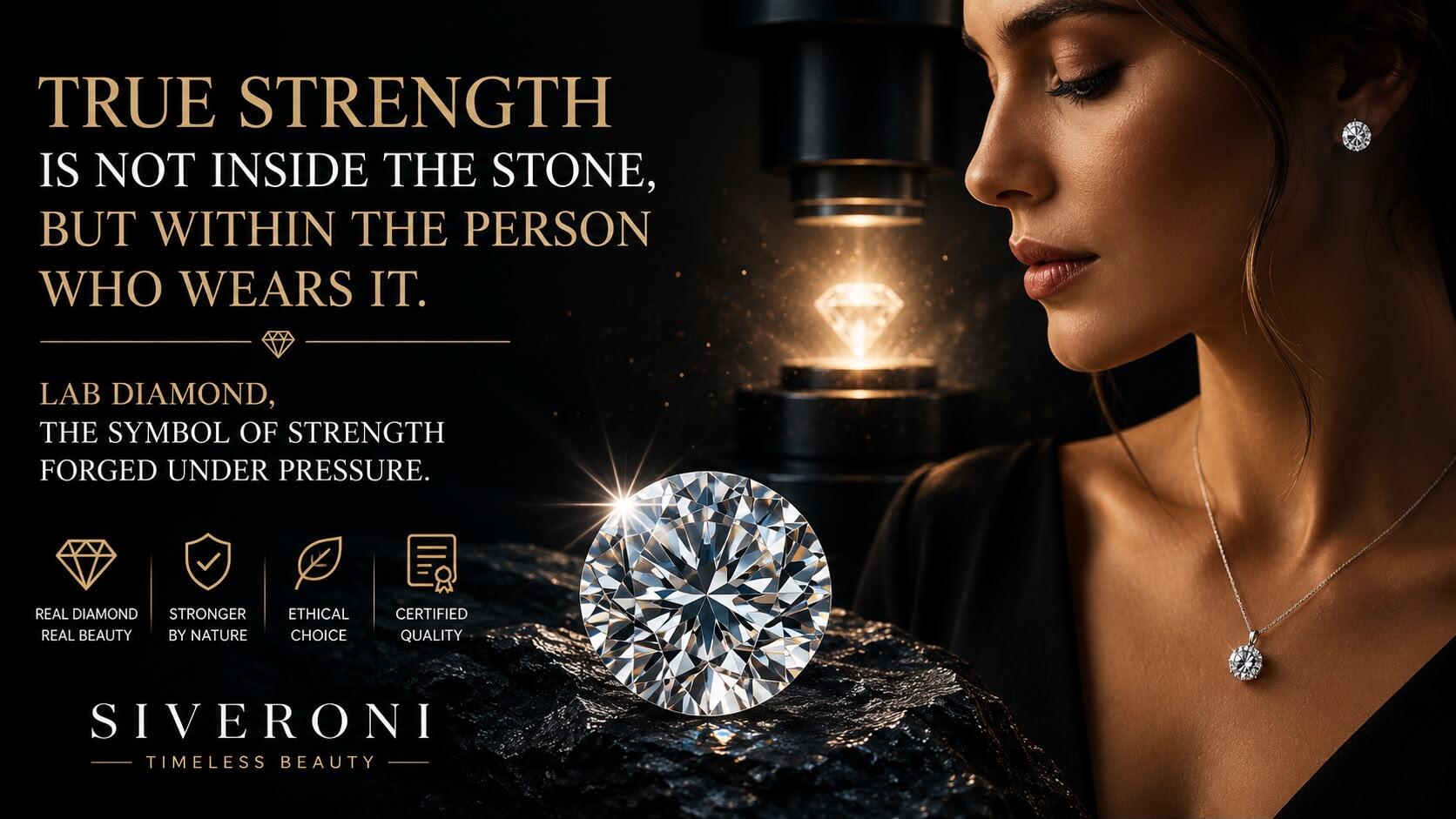
True Strength Is Within You: Why a Lab-Grown Diamond Represents Resilience
Lab Grown Diamond
Discover how lab-grown diamonds symbolize resilience, strength, and modern luxury. Learn why certified lab-grown diamonds represent more than beauty—they reflect perseverance, purpose, and personal values.
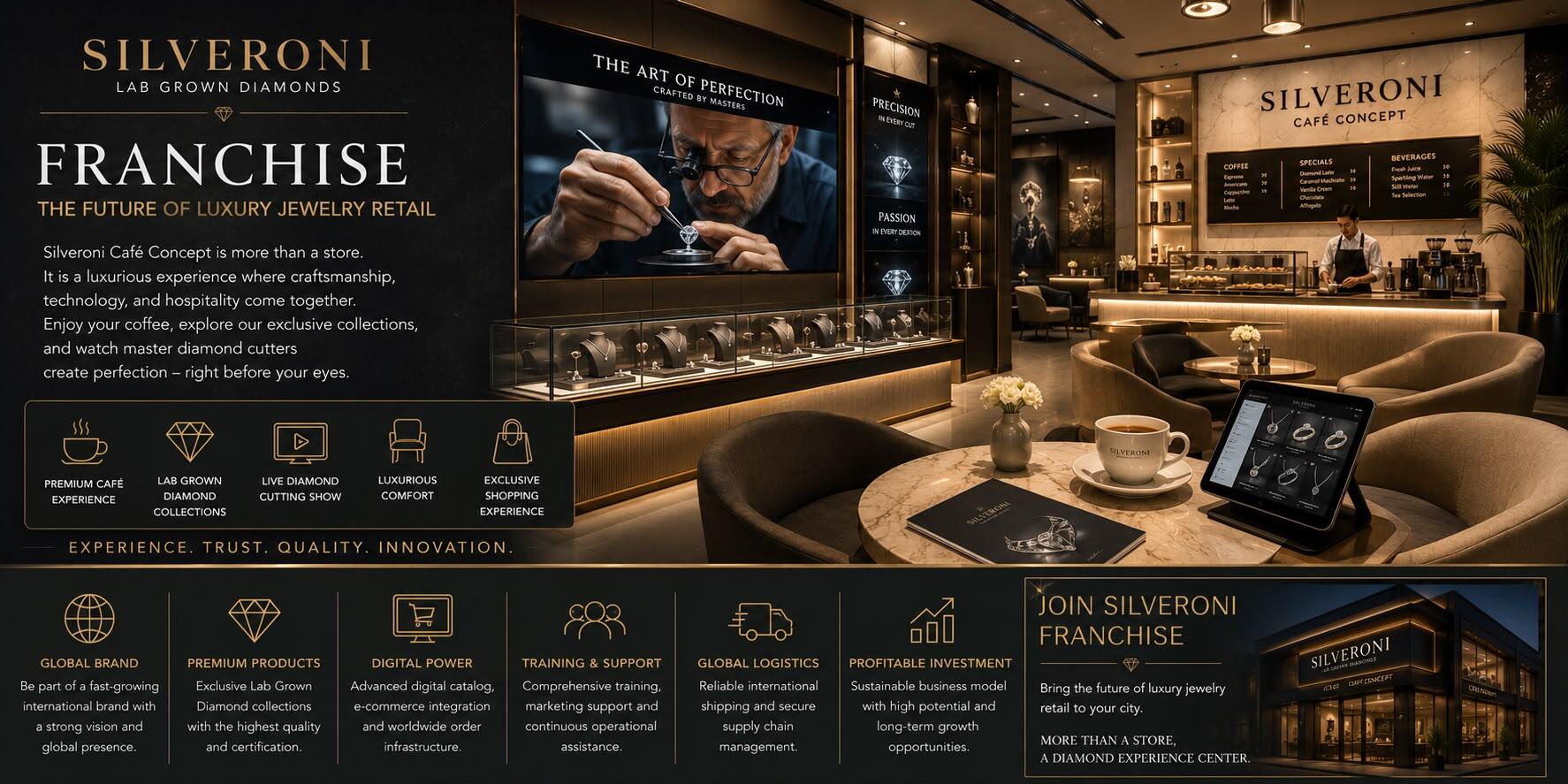
How Silveroni Is Redefining Luxury Jewelry Retail with an Innovative Franchise Concept
Lab Grown Diamond
Discover how Silveroni is transforming luxury jewelry retail with its innovative franchise model that combines premium lab-grown diamonds, café hospitality, immersive customer experiences and modern luxury boutique design.