
Understanding Diamonds And Their Authenticity
Understanding Diamonds and Their Authenticity
Before determining whether a diamond is real, it's essential to understand its unique characteristics. Natural diamonds are formed under extreme heat and pressure deep within the Earth. Their distinct properties, including hardness, brilliance, and refractive index, differentiate them from imitations like cubic zirconia or Moissanite.
Common Diamond Simulants
- Cubic Zirconia (CZ) – A standard and inexpensive diamond substitute.
- Moissanite – Has a brilliance similar to diamonds but can be distinguished through testing.
- White Sapphire – Lacks the sparkle and fire of a real diamond.
- Glass or Crystal – Easily scratched and lacks durability.
Discover the perfect symbol of elegance with our exquisite collection of diamond rings. A timeless blend of brilliance and sophistication!
How to Tell If a Diamond Is Real
1. The Fog Test
Hold the diamond close to your mouth and breathe on it as you would a mirror. Since diamonds do not retain moisture, the fog should disappear instantly. If it lingers for a few seconds, it may be a fake.
2. The Water Test
Drop the diamond into a glass of water. A real diamond has a high density and will sink to the bottom. If the stone floats or sinks slowly, it is likely not a real diamond.
3. The Scratch Test
Diamonds are the hardest known material on Earth, ranking a 10 on the Mohs hardness scale. Try scratching a piece of glass with the stone. A real diamond will leave a scratch, while softer materials will not.
4. The Heat Test
Heat the diamond with a lighter for 30–40 seconds, then drop it into cold water. A real diamond will remain intact, while fake diamonds (especially glass) may crack or shatter due to sudden temperature changes.
5. The Refractivity Test
Diamonds uniquely bend light. Place the stone on a newspaper or printed text. If you can read through it or see the letters clearly, it's not a real diamond. A genuine diamond refracts light so that you cannot see through it.
6. The UV Light Test
Many real diamonds emit a blue fluorescence under UV (black) light. However, not all diamonds exhibit fluorescence, so this test is inconclusive.
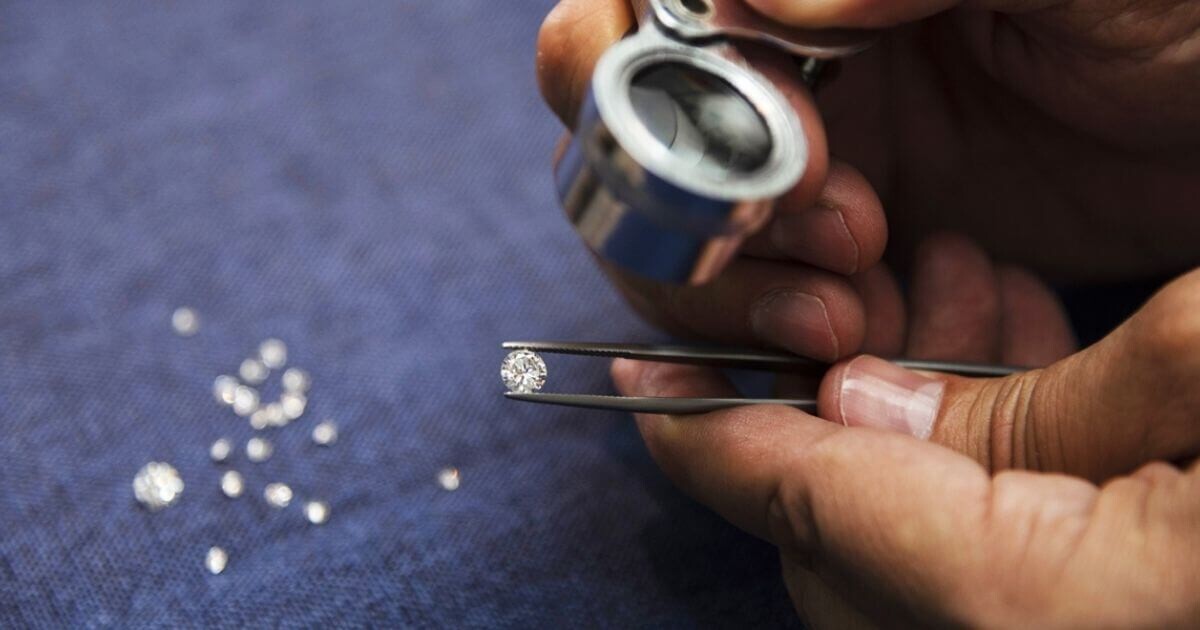
7. The Loupe Test
Jewelers use a loupe (a small magnifying glass) to inspect diamonds. Real diamonds often have tiny inclusions (imperfections), while fake diamonds tend to be flawless.
8. The Metal Setting and Mounting Test
If the stone is set in cheap metal like plated gold or silver, it is likely not a real diamond. Genuine diamonds are usually made of high-quality metals like white gold, platinum, or solid gold.
How to Identify a Real Diamond with Professional Help
If you're still unsure, seek professional verification. Jewelers can perform tests such as:
- Electronic Conductivity Test – Determines whether a stone is a Moissanite or a real diamond.
- X-ray examination – Differentiates real diamonds from simulants.
- GIA Certification – The Gemological Institute of America (GIA) certificate guarantees authenticity.
Silver Diamond Bracelets and Silver Tennis Bracelets: What to Look For
Silver Diamond Bracelets
- The diamonds are set in sterling silver (marked 925).
- The diamonds have clarity and brilliance.
- The bracelet comes with a certificate of authenticity.
Silver Tennis Bracelets
- Check for uniform diamond size and setting.
- Look for secure prong settings.
- Ensure genuine diamond certification.
Experience the ultimate luxury with the breathtaking 200ct lab diamond bezel-set tennis bracelet in 18K white gold. It is a masterpiece of brilliance and sophistication!
Understanding Padparadscha: A Rare and Unique Gemstone
Padparadscha is a rare and beautiful sapphire with a pinkish-orange hue. Unlike diamonds, padparadscha sapphires have a softer composition but are highly valued for their unique coloration. If you're considering investing in one, ensure:
- It has a certified gemstone report.
Unveil the beauty of the cosmos with the stunning Mars Treasures collection. A celestial fusion of elegance and brilliance!
- The color is naturally occurring and not treated.
- It is sourced from reputable dealers.
Lasting Ring Elegance: Choosing a Timeless Diamond Ring
When selecting a diamond ring, focus on:
- Cut – Determines the brilliance of the diamond.
- Color – The less color, the higher the quality.
- Clarity – Look for minimal inclusions.
- Carat Weight – Affects the size and price.
Celebrate timeless elegance with the stunning Brilliant Solitaire lab-grown diamond band, a radiant symbol of sophistication and grace!
Conclusion
Whether buying an engagement ring, a silver tennis bracelet, or a silver diamond bracelet, knowing how to tell if a diamond is real is essential. You can ensure your diamonds are genuine by performing simple tests at home and consulting professional jewelers.
Additionally, understanding rare gemstones like padparadscha and maintaining the elegance of your diamond jewelry will help you make informed purchases and preserve your investment for a lifetime.
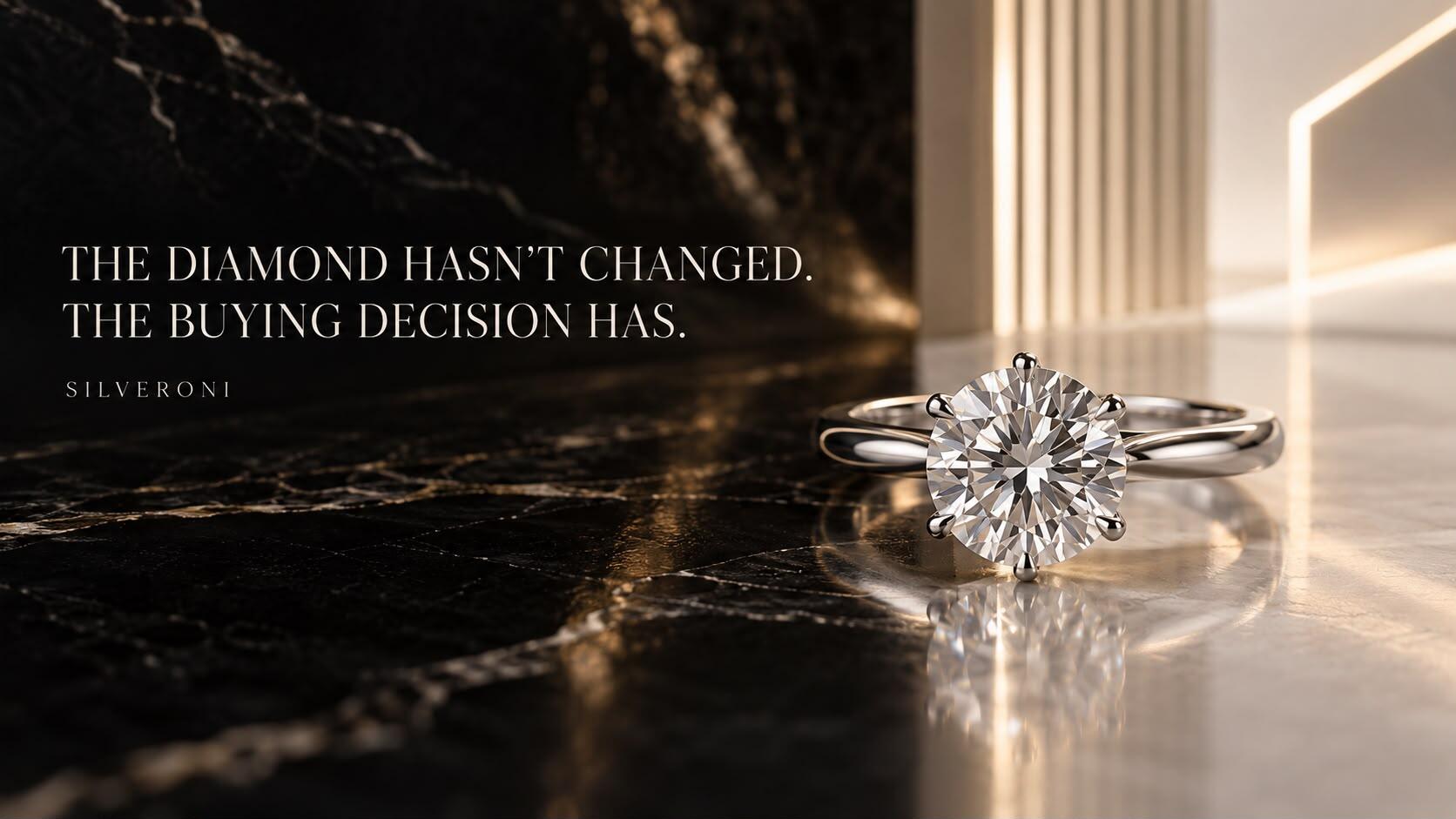
The Diamond Hasn’t Changed. The Buying Decision Has.
Lab Grown Diamond
The New Luxury Question Is No Longer “Is It Real?”
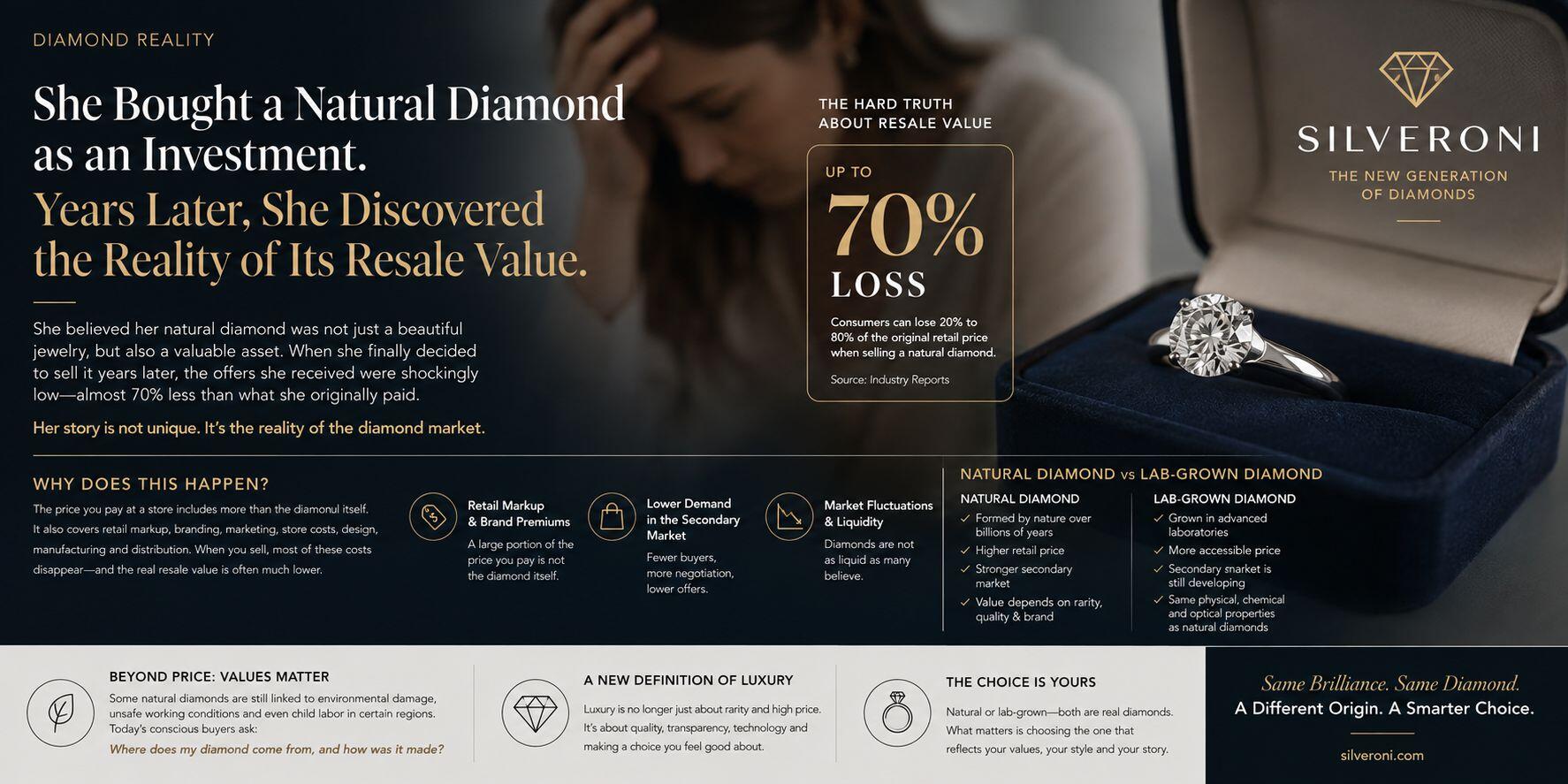
She Bought a Natural Diamond as an Investment. Years Later, She Discovered the Reality of Its Resale Value
Lab Grown Diamond
Imagine a woman who purchased a natural diamond years ago. At the time, she believed she was buying more than a beautiful piece of jewelry. She thought she was putting part of her money into something valuable, something she could keep for years and potentially convert back into cash if she ever needed it.
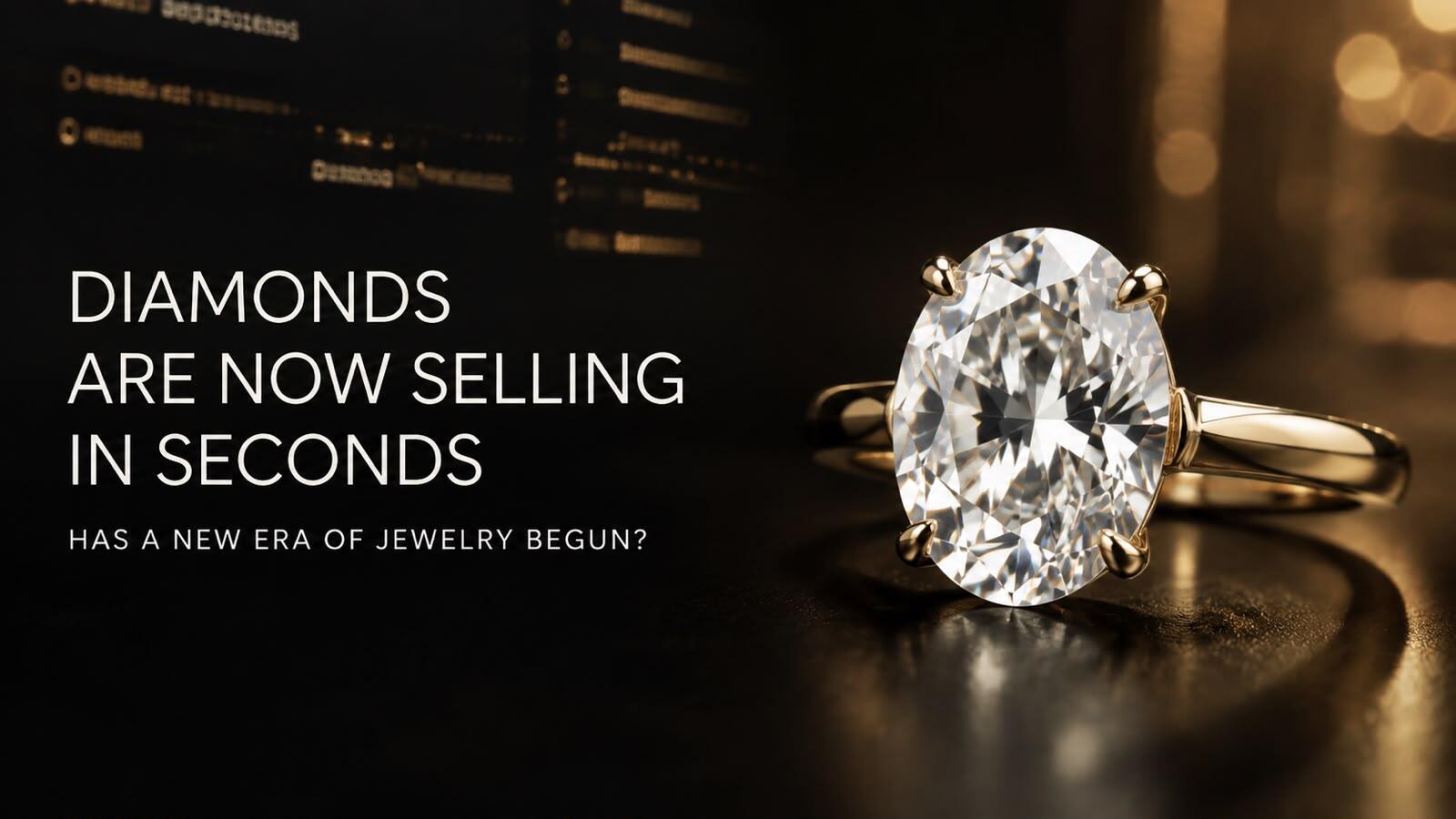
Diamonds Are Now Selling in Seconds on TikTok: Has a New Era of Jewelry Begun?
Lab Grown Diamond
Lab-grown diamonds are everywhere, from TikTok livestreams to luxury jewelry collections. As prices begin to stabilize, how are consumer priorities changing?
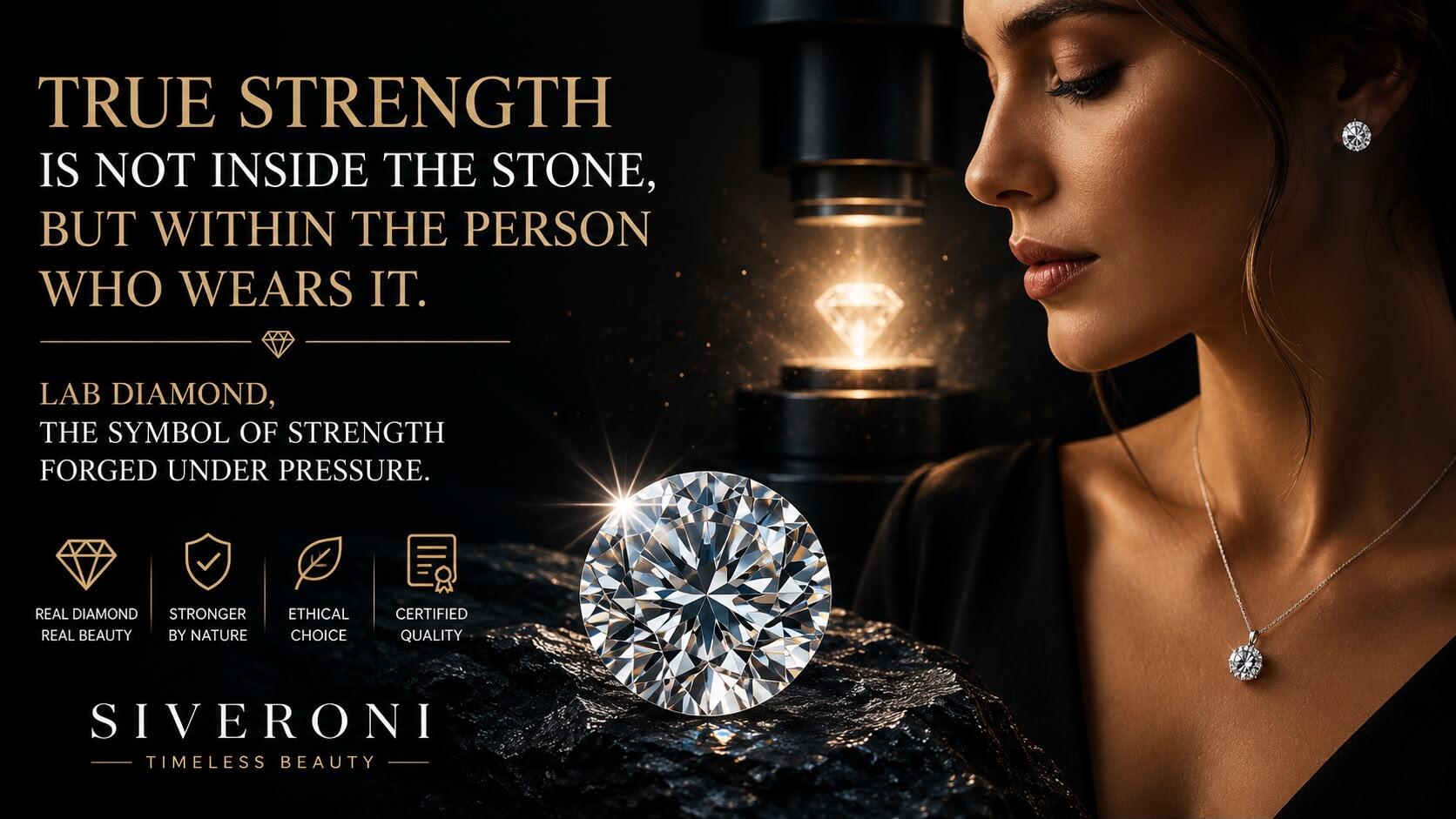
True Strength Is Within You: Why a Lab-Grown Diamond Represents Resilience
Lab Grown Diamond
Discover how lab-grown diamonds symbolize resilience, strength, and modern luxury. Learn why certified lab-grown diamonds represent more than beauty—they reflect perseverance, purpose, and personal values.

How Silveroni Is Redefining Luxury Jewelry Retail with an Innovative Franchise Concept
Lab Grown Diamond
Discover how Silveroni is transforming luxury jewelry retail with its innovative franchise model that combines premium lab-grown diamonds, café hospitality, immersive customer experiences and modern luxury boutique design.
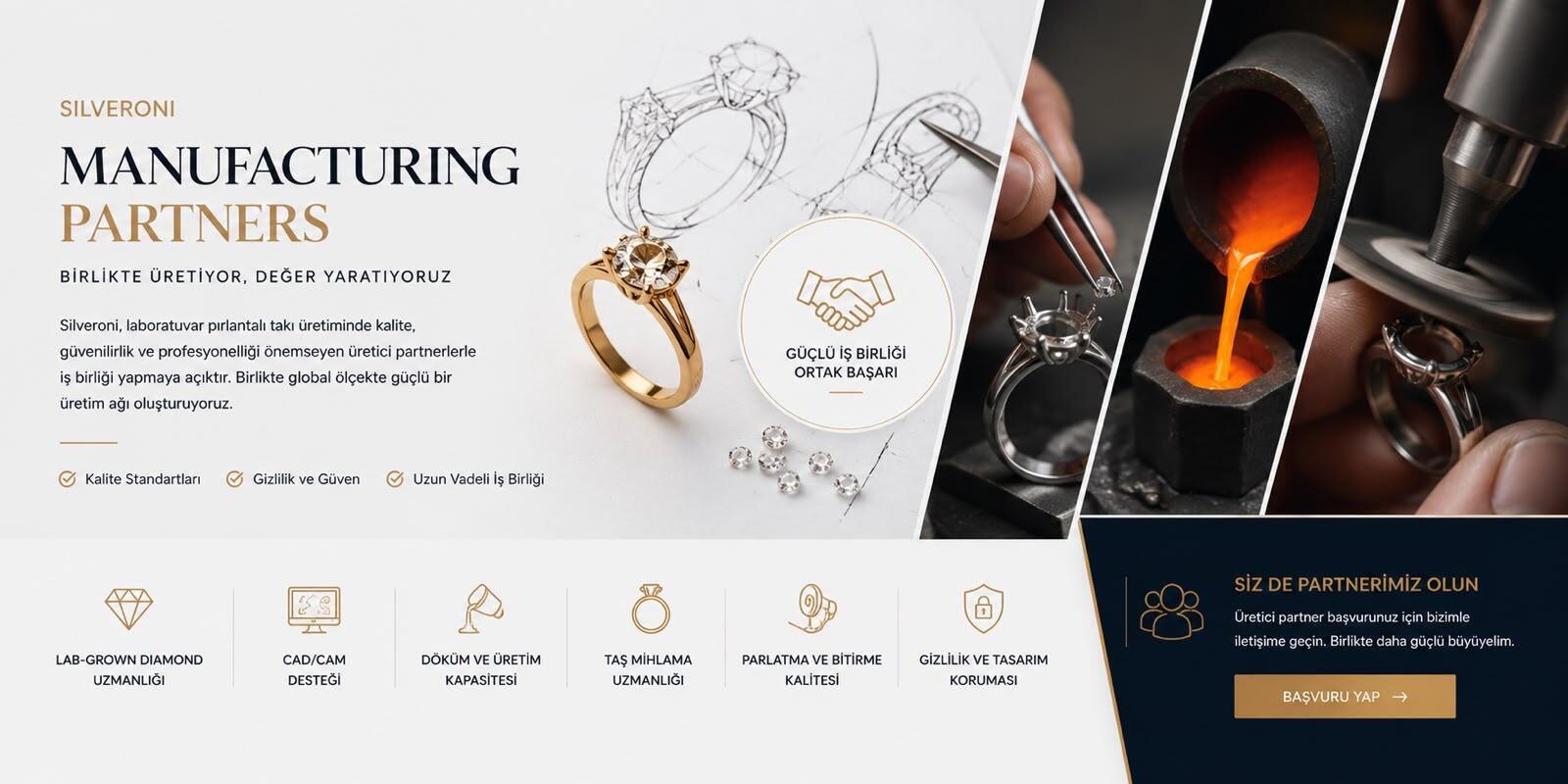
Why Manufacturing Partnerships Matter in Modern Jewelry Business
Lab Grown Diamond
Discover why professional manufacturing partnerships are becoming increasingly important for wholesale, private-label and custom lab-grown diamond jewelry businesses, and how the right production partner can support long-term growth.
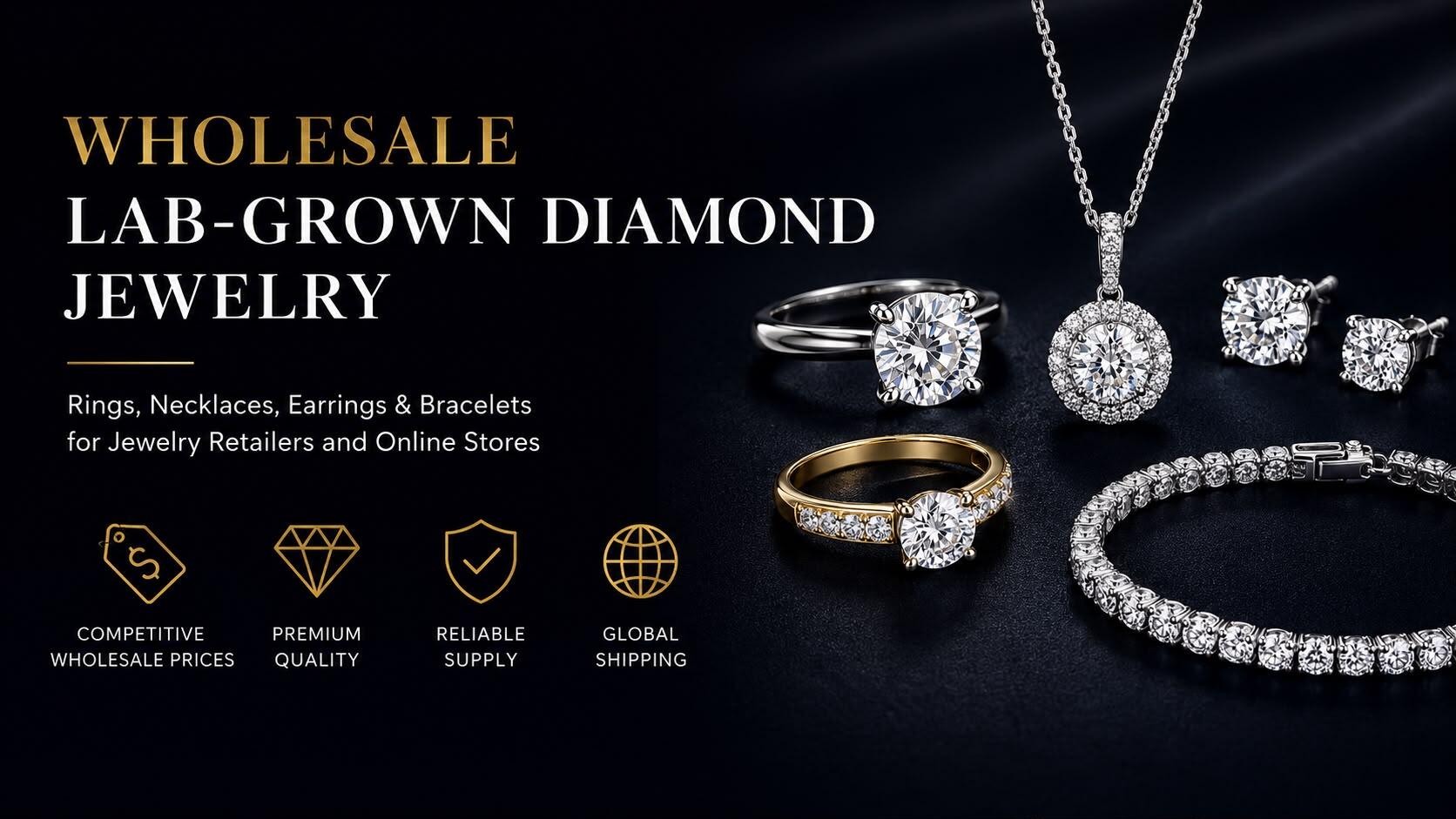
How to Choose a Lab-Grown Diamond Jewelry Supplier for Your Store
Lab Grown Diamond
Learn how jewelry retailers and online stores can choose a lab-grown diamond jewelry supplier for wholesale, private-label and business growth.
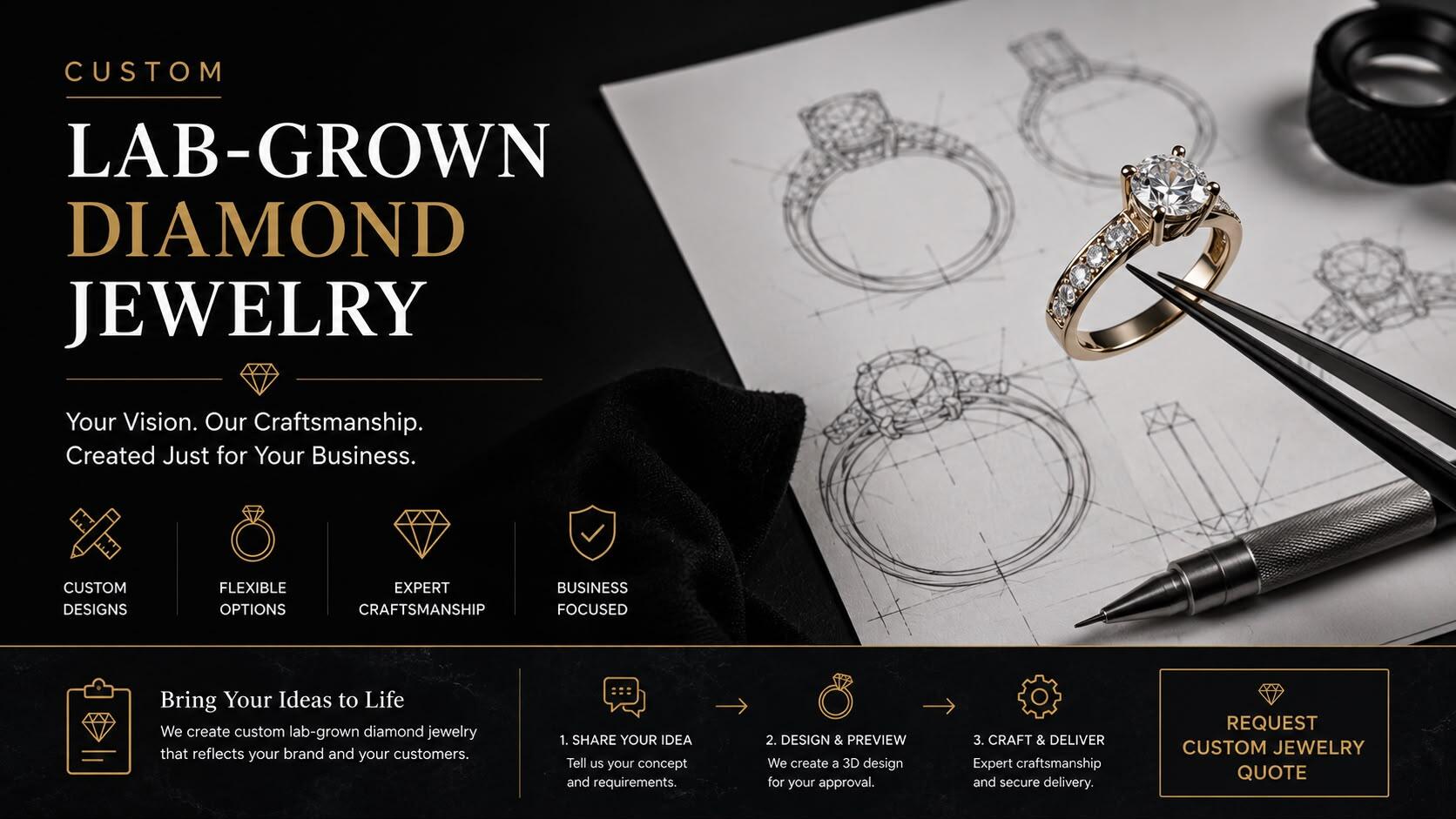
How to Choose a Lab-Grown Diamond Jewelry Supplier for Your Store
Lab Grown Diamond
Learn how jewelry retailers and online stores can choose a lab-grown diamond jewelry supplier for wholesale, private-label and business growth.