
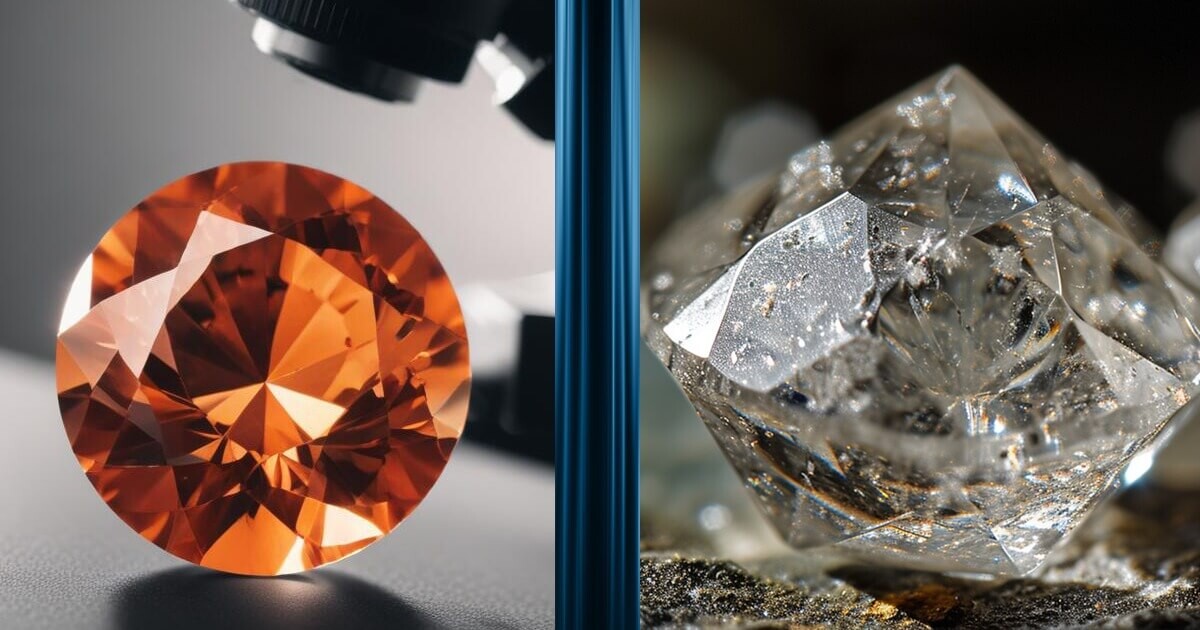
Understanding Lab-Grown Diamonds
Understanding Lab-Grown Diamonds
Lab-grown diamonds are made in labs using advanced technology. These diamonds have the same physical, chemical, and optical properties as natural diamonds. Check out our Lab-Grown Diamonds Collection.
How Are Lab-Grown Diamonds Made?
There are two primary methods used to create lab-grown diamonds:
-
HPHT: This method copies the heat and pressure in the Earth's mantle. That's where natural diamonds are made.
-
Chemical Vapor Deposition (CVD) uses carbon-rich gases. It breaks them down to deposit carbon atoms on a diamond seed, building a crystal layer by layer.
What Are Natural Diamonds?
Natural diamonds formed billions of years ago in the Earth's mantle. They need extreme heat and pressure to develop. They are mined, then cut and polished to make gorgeous gemstones. View our Natural Diamonds Earrings Collection
Lab-Grown vs. Natural Diamonds: A Detailed Comparison
When choosing between lab-grown and natural diamonds, it's essential to consider several factors:
1. Physical and Chemical Properties
Lab-grown and natural diamonds have the same hardness, brilliance, and chemical structure. Advanced gemological equipment is needed to distinguish between them.
2. Cost Comparison
One of the most significant advantages of lab-grown diamonds is their affordability. Typically, lab-grown diamonds are 20-40% cheaper than natural diamonds of similar quality.
3. Ethical and Environmental Considerations
-
Lab-grown diamonds have a smaller environmental footprint and do not involve mining.
-
4. Resale Value
Natural diamonds are rare, so they often sell for more. Lab-grown diamonds might not gain value over time.
Popular Uses of Lab-Grown Diamonds
Lab-grown diamonds are becoming increasingly popular in various sectors:
-
Engagement Rings & Wedding Bands: More couples pick lab-grown diamonds. They are affordable and ethical. Explore our Vintage Rings collection.
-
Fine Jewelry: Earrings, necklaces, and bracelets featuring lab-grown diamonds are gaining traction. Discover our Jewelry Collection.
-
Industrial Uses: Their hardness makes them ideal for cutting tools, electronics, and medical devices.
Reasons to Choose Lab-Grown Diamonds
Lab-grown diamonds have become increasingly popular among consumers and the jewelry industry. Here are the top reasons why lab-created diamonds are preferred:
1. More Affordable
-
They cost much less than natural diamonds with the same carat, clarity, and cut.
-
Usually priced 30%–70% lower than mined diamonds.
-
Allows consumers to purchase larger or higher quality stones within the same budget.
2. Eco-Friendly and Sustainable
-
It does not require mining, which reduces environmental damage.
-
No deforestation, water waste, or soil disruption involved.
-
Lower carbon footprint compared to traditional mining processes.
3. Ethical and Conflict-Free
-
Not sourced from conflict zones or war-torn regions.
-
100% traceable production chain.
-
Consumers can buy confidently, knowing the diamond matches their ethical values.
4. Identical to Natural Diamonds
-
It has the same chemical, physical, and optical properties as mined diamonds.
-
The hardness level of 10 on the Mohs scale has the same brilliance and durability.
-
Only advanced gemological testing can distinguish them from natural diamonds.
5. Greater Design Flexibility
-
Lab control allows for a broader range of colors, shapes, and clarity levels.
-
Perfect for custom-designed and personalized jewelry.
6. Rising Popularity and Awareness
-
Top jewelry brands are introducing lab-grown collections (e.g., Pandora, De Beers' Lightbox).
-
Millennials and Gen Z prefer sustainable and ethical alternatives.
7. Ideal for Gifts
-
Excellent choice for engagement rings, anniversaries, birthdays, and special occasions.
-
Affordable pricing makes more extensive and more stunning designs accessible.
How Are Lab-Grown Diamonds Made?
-
HPHT (High Pressure, High Temperature): Simulates the natural diamond formation process.
-
CVD (Chemical Vapor Deposition): Grows diamond layers in a carbon-rich vapor environment.
-
Both methods produce gem-quality diamonds suitable for fine jewelry.
Which One Should You Choose?
Your choice between lab-grown and natural diamonds depends on your preferences and values. Consider these factors:
-
Budget: If cost is a concern, lab-grown diamonds offer a great alternative.
-
Ethics: If sustainability matters to you, lab-grown diamonds are the eco-friendly choice.
-
Investment: If resale value is essential,l natural diamonds are the better option.
Conclusion
Both lab-grown and natural diamonds have unique benefits. Lab-grown diamonds are cheap, ethical, and good for the environment. On the other hand, natural diamonds are prized for their history, rarity, and timeless charm.
Ultimately, the decision comes down to what matters most to you. Whatever you choose, ensure you buy from a reputable retailer with proper certification. For more options, browse our complete Diamond Collection.
For More Great Information, You Can Read These:
Brilliant Earth vs Silveroni – Honest, In-Depth Lab Grown Diamond Comparison
Silveroni vs Blue Nile – Key Differences in Lab Grown Diamonds
Explore More from Silveroni
Lab Grown Diamond Rings: Lab Grown Diamond Rings 2025 - Silveroni
Mars Treasures Gemstone / Birthstone Collection: Discover Mars Treasures Unique Jewelry at Silveroni
The Diamond Hasn’t Changed. The Buying Decision Has.
Lab Grown Diamond
The New Luxury Question Is No Longer “Is It Real?”
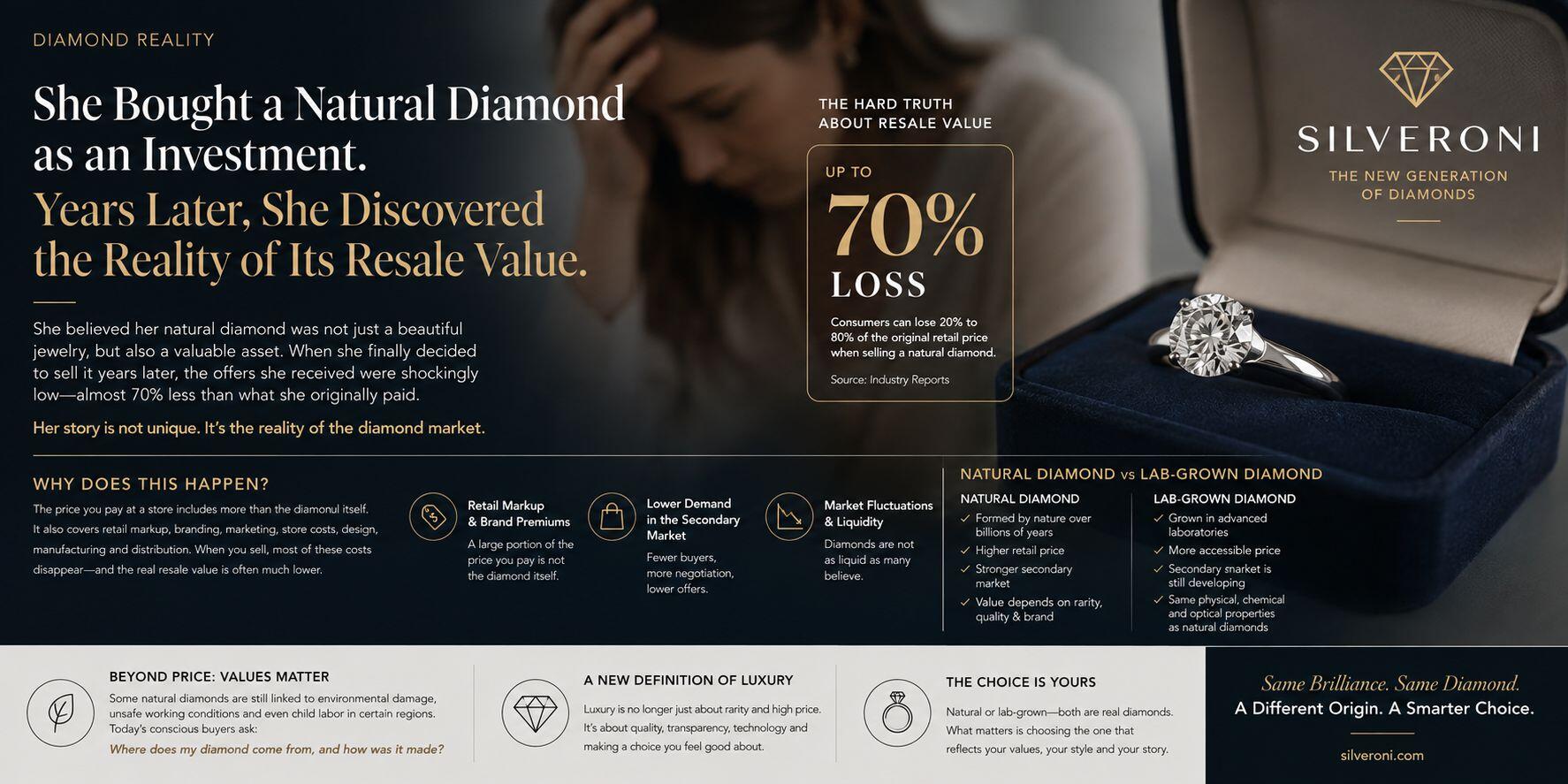
She Bought a Natural Diamond as an Investment. Years Later, She Discovered the Reality of Its Resale Value
Lab Grown Diamond
Imagine a woman who purchased a natural diamond years ago. At the time, she believed she was buying more than a beautiful piece of jewelry. She thought she was putting part of her money into something valuable, something she could keep for years and potentially convert back into cash if she ever needed it.
Diamonds Are Now Selling in Seconds on TikTok: Has a New Era of Jewelry Begun?
Lab Grown Diamond
Lab-grown diamonds are everywhere, from TikTok livestreams to luxury jewelry collections. As prices begin to stabilize, how are consumer priorities changing?
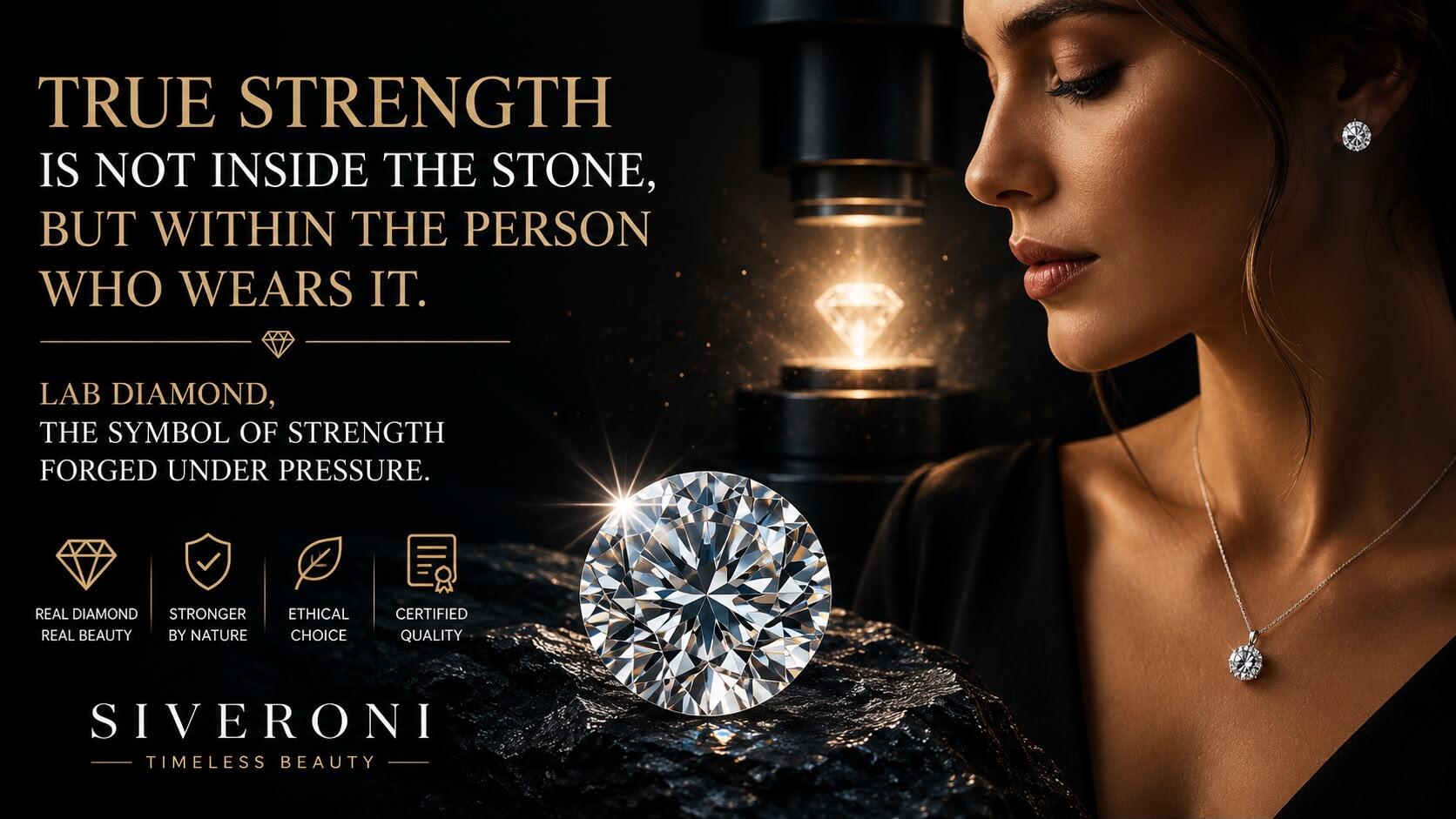
True Strength Is Within You: Why a Lab-Grown Diamond Represents Resilience
Lab Grown Diamond
Discover how lab-grown diamonds symbolize resilience, strength, and modern luxury. Learn why certified lab-grown diamonds represent more than beauty—they reflect perseverance, purpose, and personal values.

How Silveroni Is Redefining Luxury Jewelry Retail with an Innovative Franchise Concept
Lab Grown Diamond
Discover how Silveroni is transforming luxury jewelry retail with its innovative franchise model that combines premium lab-grown diamonds, café hospitality, immersive customer experiences and modern luxury boutique design.
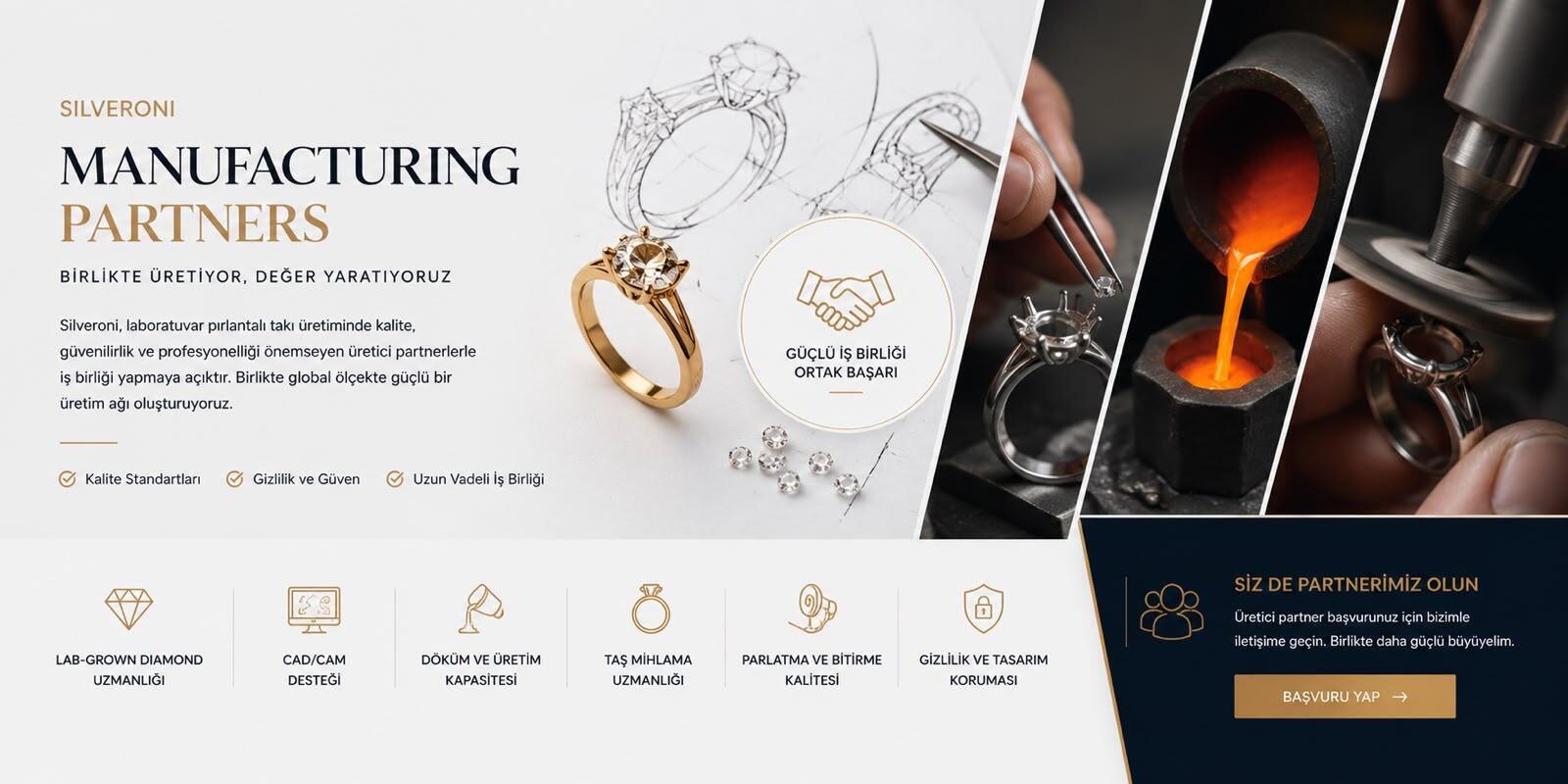
Why Manufacturing Partnerships Matter in Modern Jewelry Business
Lab Grown Diamond
Discover why professional manufacturing partnerships are becoming increasingly important for wholesale, private-label and custom lab-grown diamond jewelry businesses, and how the right production partner can support long-term growth.
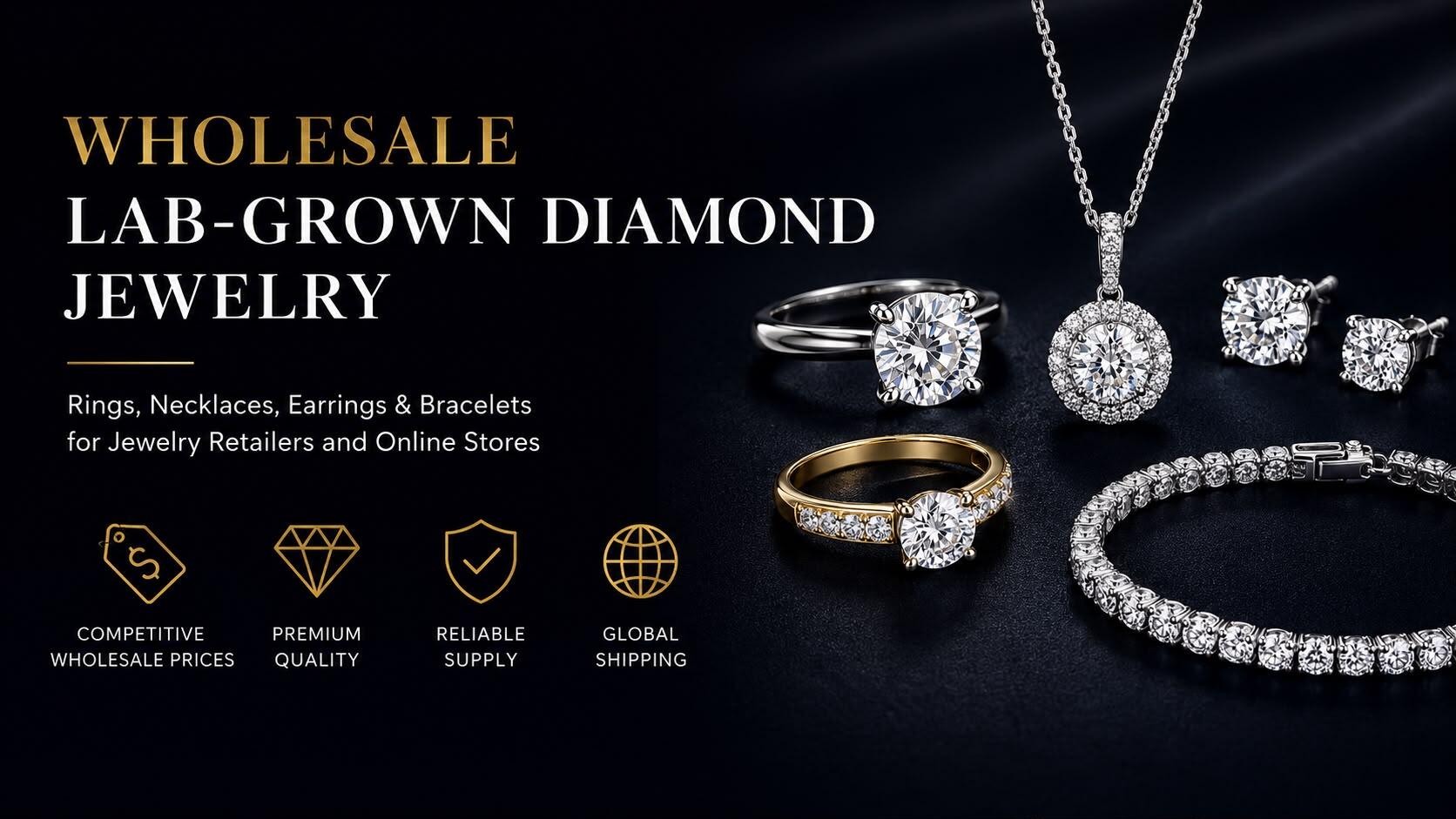
How to Choose a Lab-Grown Diamond Jewelry Supplier for Your Store
Lab Grown Diamond
Learn how jewelry retailers and online stores can choose a lab-grown diamond jewelry supplier for wholesale, private-label and business growth.
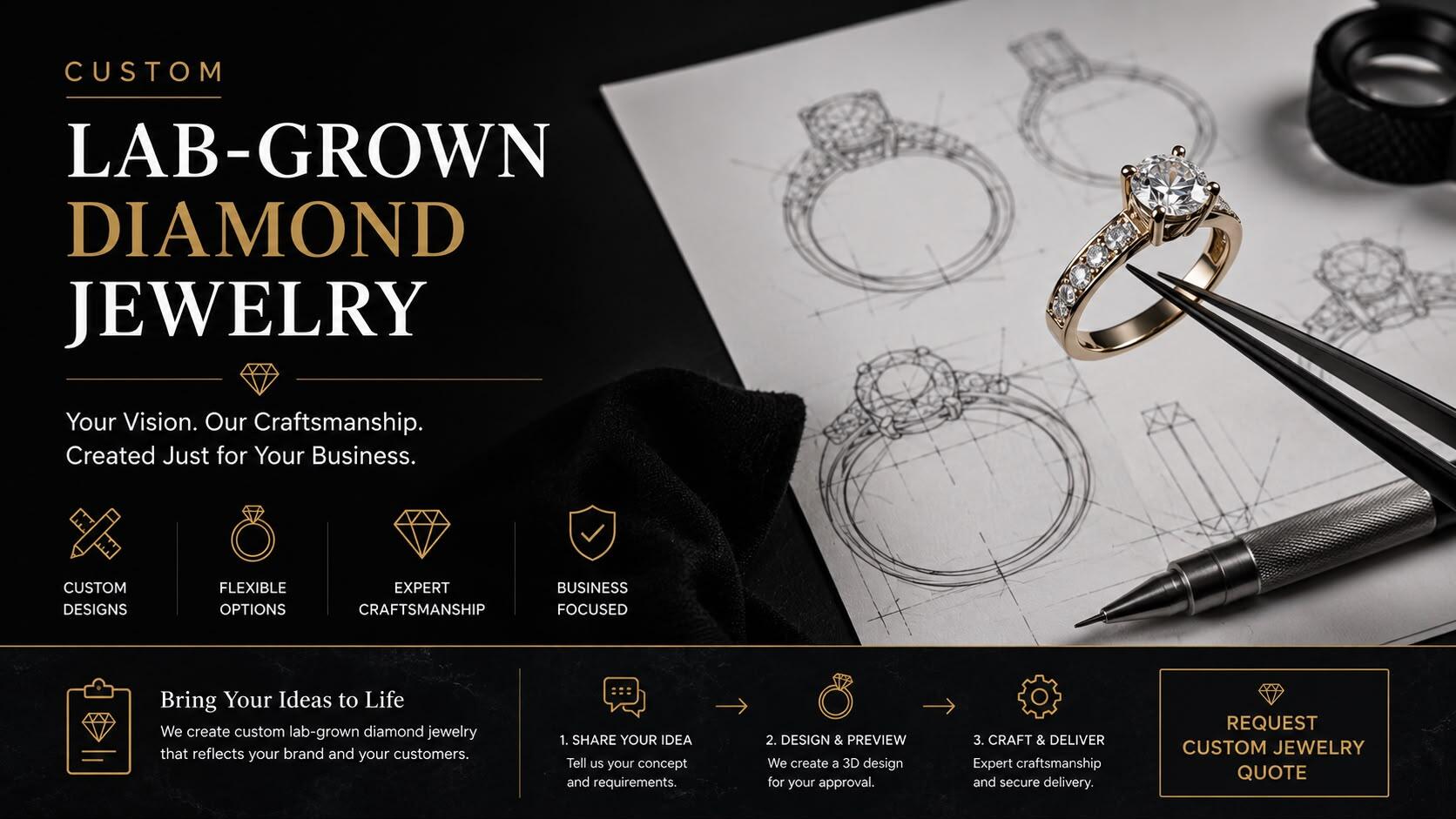
How to Choose a Lab-Grown Diamond Jewelry Supplier for Your Store
Lab Grown Diamond
Learn how jewelry retailers and online stores can choose a lab-grown diamond jewelry supplier for wholesale, private-label and business growth.