
Lab Grown Diamonds: Future Trends & Benefits
The Future of Lab Grown Diamonds
Lab grown diamonds are transforming the jewelry industry. They offer a sustainable and ethical alternative to mined diamonds.
These diamonds are created in labs using advanced technology. They are identical to natural diamonds in every way.
The demand for lab diamonds is growing rapidly. Consumers are drawn to their affordability and ethical appeal.
Lab grown diamonds have a lower environmental impact. They avoid the human rights issues linked to some mining operations.
Jewelry enthusiasts are embracing lab grown diamond tennis necklaces. These pieces combine luxury with sustainability.
The technology behind lab diamonds is advancing. This progress is improving quality and reducing costs.
Many retailers now offer lab grown diamonds alongside natural ones. This shift reflects changing consumer preferences.
The future of lab grown diamonds looks bright. They align with the trend towards sustainable and ethical consumerism.
What Are Lab Grown Diamonds?
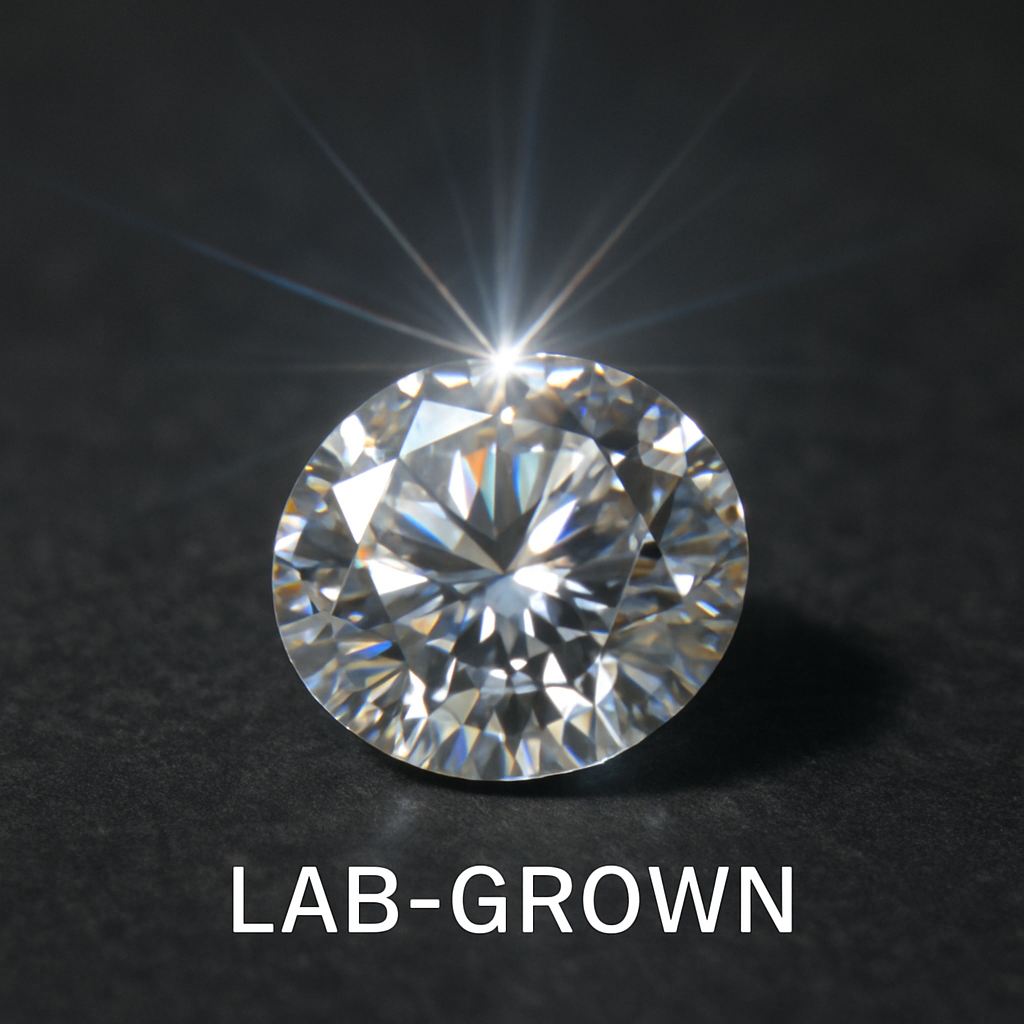
Lab grown diamonds are real diamonds. They share the same physical and chemical properties as natural diamonds.
Unlike synthetic alternatives, lab diamonds are not fakes or imitations.
They are produced in controlled environments using advanced methods. The process simulates the natural diamond formation deep
within the Earth. This ensures they possess the same brilliance and hardness.
Here are key features of lab grown diamonds:
- Chemically identical to mined diamonds
- Created in labs using high-tech processes
- Environmentally friendly alternative
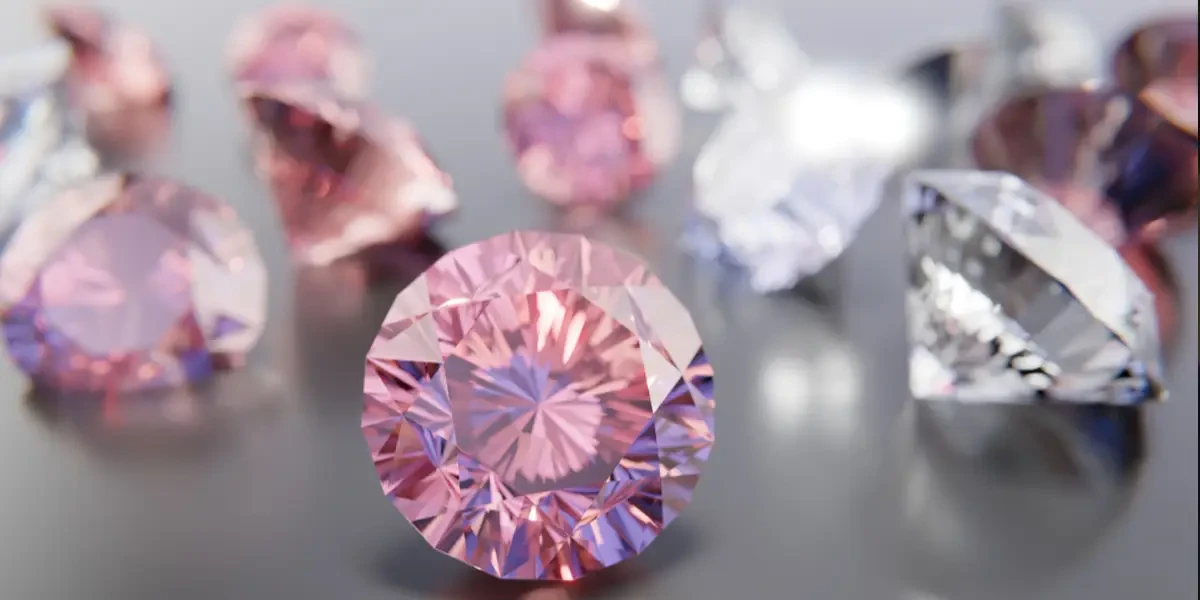
- Available in various colors and sizes
These diamonds challenge traditional views on gemstones. With their identical properties, they offer an appealing alternative.
They meet the desire for both beauty and sustainability in jewelry.
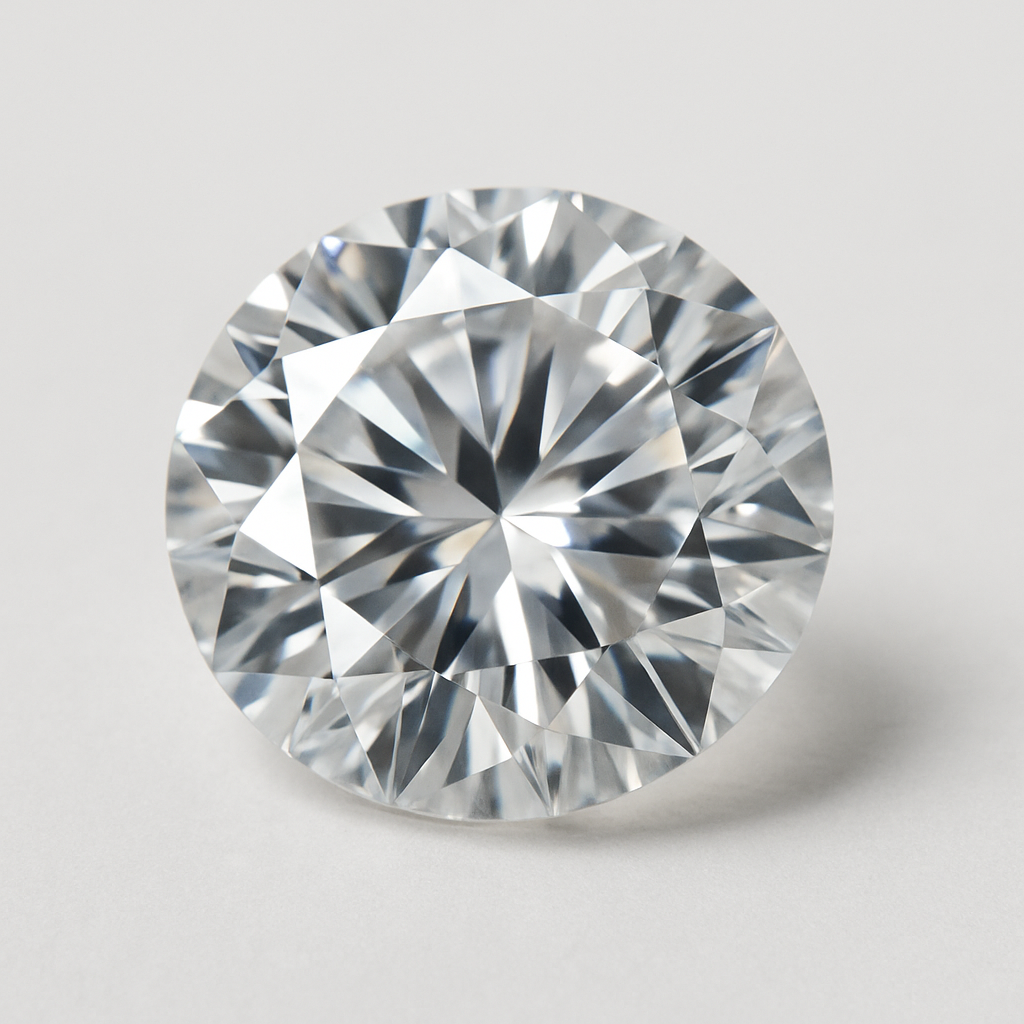
Lab grown diamonds are gaining acceptance in the jewelry market. As awareness grows, more consumers opt for them.
Their ethical and environmental benefits make them a compelling choice.
This shift marks a turning point in the industry. It heralds a future where sustainability doesn't compromise luxury or quality.
How Lab Grown Diamonds Are Made
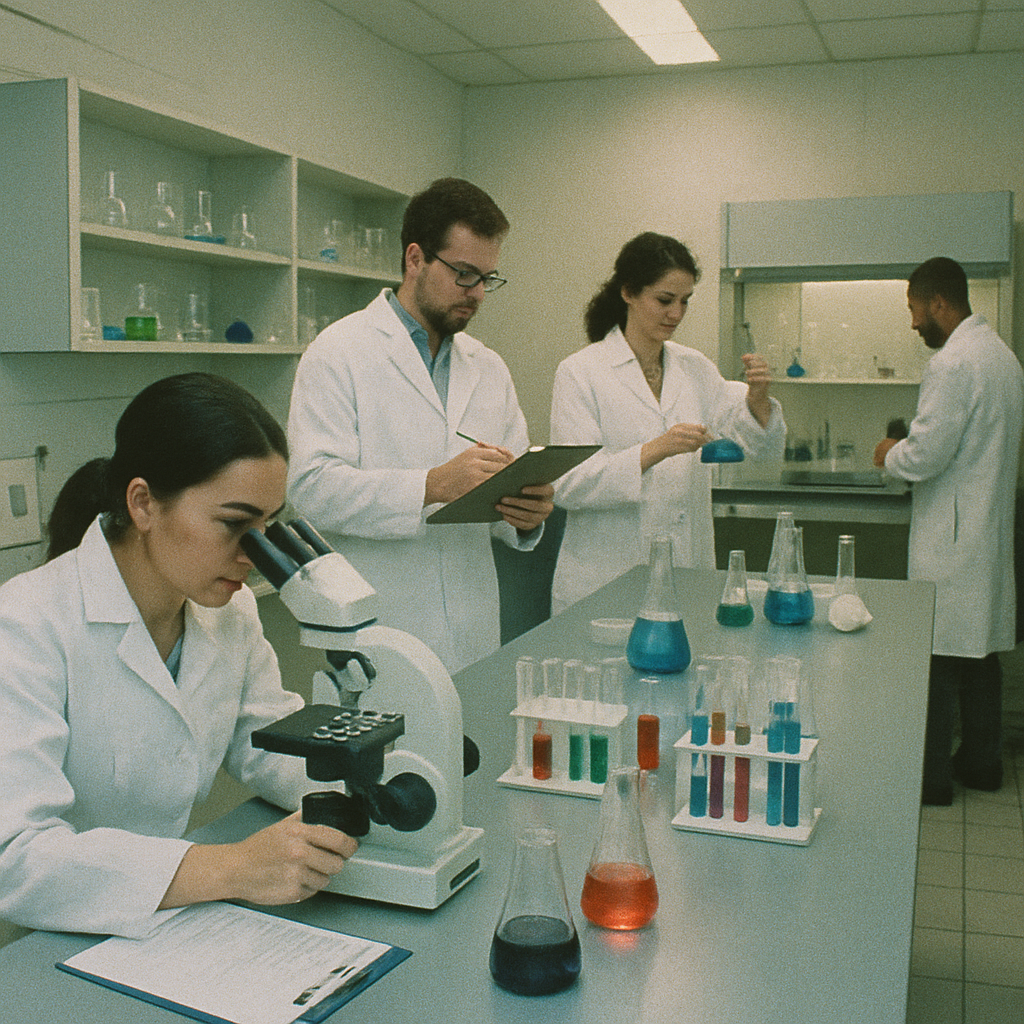
The creation of lab grown diamonds takes place through advanced scientific methods. The two primary techniques used are
High Pressure High Temperature (HPHT) and Chemical Vapor Deposition (CVD).
HPHT mimics the natural conditions under which diamonds form. It involves subjecting carbon to high pressure and temperature. This method has been utilized for industrial diamonds for decades.
Conversely, CVD involves breaking down carbon-rich gas. The gas deposits onto a substrate where diamond crystals grow. This method allows for more precise control over the
diamond's characteristics.
Key steps in lab diamond production include:
- Selection of a diamond seed
- Application of extreme conditions or gas breakdown
- Growth of diamond crystals
- Cutting and polishing for refinement
larger stones.
Each method produces high-quality gems. The result is indistinguishable from their mined counterparts. This precision ensures consistency and quality.
The time required to grow lab diamonds varies. It can take several weeks to a few months, considerably less than natural formation.
This efficiency helps meet the rising demand for ethical jewelry.
Lab Grown Diamonds vs. Natural Diamonds
Lab grown diamonds and natural diamonds share remarkable similarities. Both are identical in chemical composition and physical
structure. This makes them visually indistinguishable to the naked eye.
However, their origins set them apart. Natural diamonds form over millions of years deep within the Earth's crust.
Lab grown diamonds, on the other hand, are produced in laboratories within weeks.
When it comes to environmental impact, lab grown diamonds have the upper hand. Traditional diamond mining is often criticized
for its ecological footprint. Lab grown diamonds require fewer natural resources and have a reduced carbon footprint.
A few key differences between lab grown and natural diamonds include:
- Formation time: weeks versus millions of years
- Environmental impact: significantly less for lab diamonds
- Origin: Earth’s crust vs. laboratory

In terms of cost, lab grown diamonds often come out ahead. They tend to be more affordable, appealing to budget-conscious consumers. This affordability stems from their streamlined production processes.
Despite these differences, both types of diamonds maintain similar market appeal. Retailers and consumers increasingly recognize the benefits of lab grown diamonds, spurring their popularity.
The Rise of Lab Diamonds in Jewelry
Lab diamonds have gained traction in the jewelry industry in recent years. Consumers are drawn to their ethical and environmental
benefits. As awareness grows, so does the demand for lab grown diamonds.
The appeal of lab diamonds extends beyond ethical considerations. They offer a sophisticated and luxurious look without the hefty
price tag. This affordability makes them accessible to a wider audience.
Jewelry designers are embracing lab diamonds for their versatility. They allow for unique and customizable designs that cater to
diverse tastes. From engagement rings to stunning necklaces, lab diamonds are transforming the jewelry landscape.
Some notable benefits of lab diamonds in jewelry include:
- Affordable luxury: high quality without high prices
- Customizable designs: endless possibilities for personalization
- Eco-friendly fashion: ethically appealing choices

Celebrities and influencers have also contributed to their rising popularity. By showcasing lab diamonds, they boost their desirability
and trend status. This trend signals a shift towards more sustainable luxury in the world of jewelry.
Lab Grown Diamond Tennis Necklaces and Popular Styles
Lab grown diamond tennis necklaces are captivating jewelry enthusiasts. They combine elegance with an eco-friendly edge, appealing to modern buyers. These necklaces offer the same sparkle as mined diamond pieces.
The versatility of lab grown diamond tennis necklaces makes them a must-have in any jewelry collection. They can be worn on various occasions, from casual outings to formal events. Their timeless design
ensures they never go out of style.
Popular styles of these necklaces range from classic to contemporary. Consumers can find designs that suit their personal tastes
and preferences.
The necklaces often come in various metal types, enhancing their adaptability.
Some sought-after styles include:
- Classic line necklaces: timeless rows of diamonds
- Colored diamonds: offering unique hues to match any outfit
- Multi-layered designs: adding depth and elegance

meeting the needs of today's conscientious consumers.
Environmental and Ethical Benefits
Lab grown diamonds offer substantial environmental benefits over mined diamonds. Traditional diamond mining involves
land disruption and habitat destruction. In contrast, lab grown diamonds are produced in controlled environments with minimal land impact.
The production of lab diamonds uses significantly less water and energy. This reduction in resource use decreases their overall
carbon footprint. Many labs are even shifting to renewable energy sources, further minimizing their environmental impact.
In terms of ethics, lab grown diamonds eliminate many concerns. They are free from the human rights issues associated with
some mining practices. This appeals to consumers seeking conflict-free and ethical choices in jewelry.
The move towards ethically sourced jewelry is gaining traction. Many consumers now consider the ethical implications of
their purchases. Lab grown diamonds align perfectly with this growing awareness.
Ethical and environmental benefits of lab grown diamonds include:
- Minimal environmental disturbance
- Reduced carbon footprint
- Absence of conflict mining
- Ethical labor conditions

Choosing lab grown diamonds reflects a commitment to sustainability and ethics. These advantages are significant drivers of
their rising popularity, marking a shift towards more conscious consumerism in the jewelry market.
Lab Grown Diamonds as Diamond Alternatives
Lab grown diamonds are emerging as popular alternatives to traditional diamonds. They are gaining traction for their affordability
and quality.
These diamonds offer the same visual allure and brilliance as mined ones. To the naked eye, they are virtually indistinguishable
from natural diamonds.
For budget-conscious buyers, lab grown diamonds present an appealing option. They provide high quality without the premium price tag of natural diamonds.
In addition to cost, their sustainable production methods attract eco-friendly consumers. This makes them a favored choice among those seeking ethical diamond alternatives.
Key reasons to choose lab grown diamonds include:
- Cost-effective luxury
- Identical appearance to natural diamonds
- Eco-friendly production
- Ethical sourcing

As the demand for sustainable and affordable jewelry continues to rise, lab grown diamonds are perfectly positioned in the market.
These alternatives meet the needs of modern consumers who value both elegance and ethics.
Certification, Grading, and Quality
Lab grown diamonds undergo rigorous certification processes similar to natural diamonds. They are evaluated by respected
gemological laboratories.
These gems are graded on the same criteria as natural counterparts, including cut, color, clarity, and carat weight. These factors
determine the quality and value of the diamond.
Buyers can trust the authenticity of lab grown diamonds through certificates from labs like GIA or IGI. This provides assurance
of the diamond's characteristics.
Key grading aspects include:
- Cut: Precision of the facets
- Color: Absence of color
- Clarity: Presence of inclusions or blemishes
- Carat weight: Size of the diamond

Consumers benefit from the transparency of these certifications. They can make informed decisions when investing in lab grown
diamonds. This ensures confidence in their purchase.
The Economics of Lab Grown Diamonds
Lab grown diamonds have sparked interest in economic discussions. Their affordability is a key attraction for many consumers.
These diamonds typically cost 30% to 40% less than natural ones. This price difference makes luxury accessible to a wider audience.
Production efficiencies contribute to cost savings. The ability to control the creation process reduces expenses compared to mining.
Key economic factors include:
- Lower production costs
- Competitive market pricing
- Accessibility for budget-conscious buyers

to a promising economic future.
Retailers can offer competitive prices without sacrificing quality. This makes lab grown diamonds an appealing option for jewelry
enthusiasts.
The Future of Lab Grown Diamonds: Trends and Innovations
The future of lab grown diamonds is bright, with trends driving innovation. Advances in technology continue to enhance the
quality and variety of lab grown gems.
Innovative processes are making production more efficient. As techniques improve, costs decrease, leading to more affordable
pricing options for consumers.
Several trends shaping the future include:
- Increased consumer awareness and demand
- Expansion into colorful diamonds
- Greater emphasis on sustainability and ethical sourcing

This shift demonstrates growing acceptance and popularity.
In addition to jewelry, industrial applications for synthetic diamonds are expanding. Their durability makes them ideal for tools
and electronics. As a result, lab grown diamonds are finding new roles across various industries.
The focus on renewable energy is significant. It lowers environmental impact, aligning with eco-friendly goals. This emphasis on green technology ensures that lab grown diamonds have a sustainable future.
Should You Choose Lab Grown Diamonds?
Deciding whether to choose lab grown diamonds is a personal decision. Many factors influence this choice, including budget
and values.
Lab grown diamonds are often more affordable. If price is a concern, these diamonds offer a compelling cost advantage. They're
beautiful and can be customized extensively.
Ethical and environmental factors are also crucial. Lab grown diamonds are free from conflict issues associated with mined diamonds. Their production has a significantly lower environmental impact.
Consider these aspects when deciding:
- Cost-effectiveness
- Ethical sourcing
- Environmental concerns
- Customization options
Lab grown diamonds are not inferior. They share identical properties with natural diamonds. This makes them an ideal choice for
those valuing sustainability and ethics.
Ultimately, the decision rests on your priorities and lifestyle. For those drawn to both value and conscience, lab grown diamonds
present an excellent alternative.
Conclusion: Embracing the Future of Diamonds
Lab grown diamonds are more than a trend; they represent a shift towards sustainable luxury. Their benefits in cost, ethics,
and environmental impact are undeniable.
As consumer preferences evolve, lab grown diamonds align perfectly with the demand for ethical choices. They offer
stunning beauty without the baggage of traditional mining.
Embracing lab grown diamonds means embracing a future where luxury and responsibility coexist. This choice reflects a commitment to both elegance and the planet. The future of diamonds is here, bright and promising, as lab grown options continue to rise in popularity.
Top 10 Most Asked Questions About the Lab Grown Diamonds in the World
Lab grown diamonds are real diamonds created in a laboratory using advanced technology that replicates the natural diamond formation process. They are chemically, physically, and optically identical to mined diamonds.
Yes, they are 100% real diamonds. They have the same carbon structure and properties as natural diamonds and are recognized as such by gemological institutes like IGI and GIA.
They are created using either HPHT (High Pressure High Temperature) or CVD (Chemical Vapor Deposition) methods that mimic the natural conditions in which diamonds form underground.
Yes, they typically cost 30–50% less than mined diamonds of the same quality because they don't involve costly mining operations.
No, lab diamonds are visually indistinguishable from mined diamonds. Only specialized gemological tools can tell the difference.
Yes, they have a much lower environmental impact compared to traditional mining. They require less energy, water, and don't disturb ecosystems or involve human rights issues.
Absolutely. Lab diamonds can be certified by IGI or other institutions, just like mined diamonds, based on cut, color, clarity, and carat.
Yes, they are a popular and ethical choice for engagement rings, offering beauty, durability, and affordability without compromising quality.
While they may not hold resale value like rare mined diamonds, their affordability and ethical appeal make them a smart long-term purchase.
Because they offer the same beauty and brilliance as mined diamonds at a better price, with ethical sourcing, sustainability, and traceability built-in.
Explore More from Silveroni:

The Diamond Hasn’t Changed. The Buying Decision Has.
Lab Grown Diamond
The New Luxury Question Is No Longer “Is It Real?”
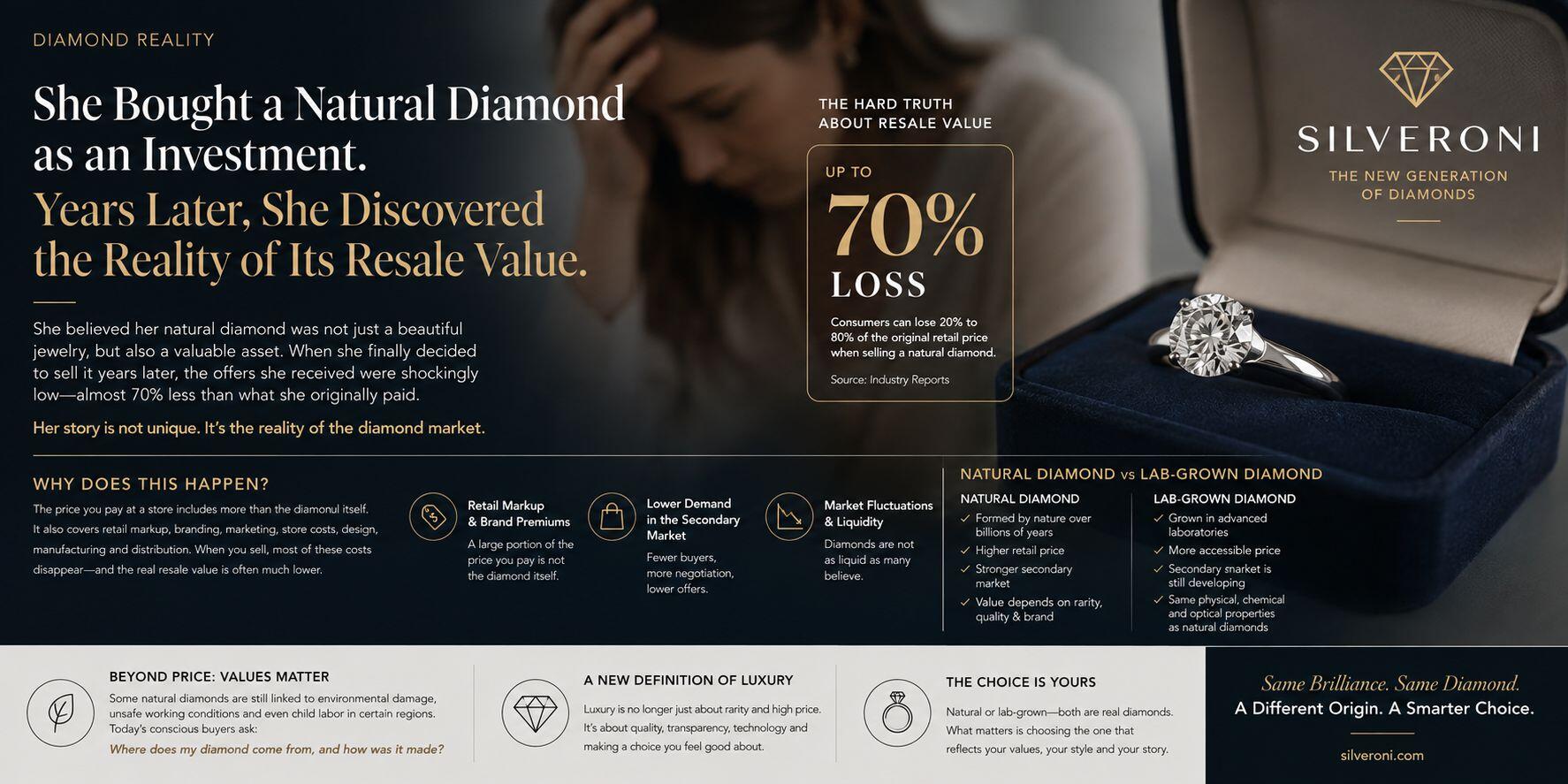
She Bought a Natural Diamond as an Investment. Years Later, She Discovered the Reality of Its Resale Value
Lab Grown Diamond
Imagine a woman who purchased a natural diamond years ago. At the time, she believed she was buying more than a beautiful piece of jewelry. She thought she was putting part of her money into something valuable, something she could keep for years and potentially convert back into cash if she ever needed it.
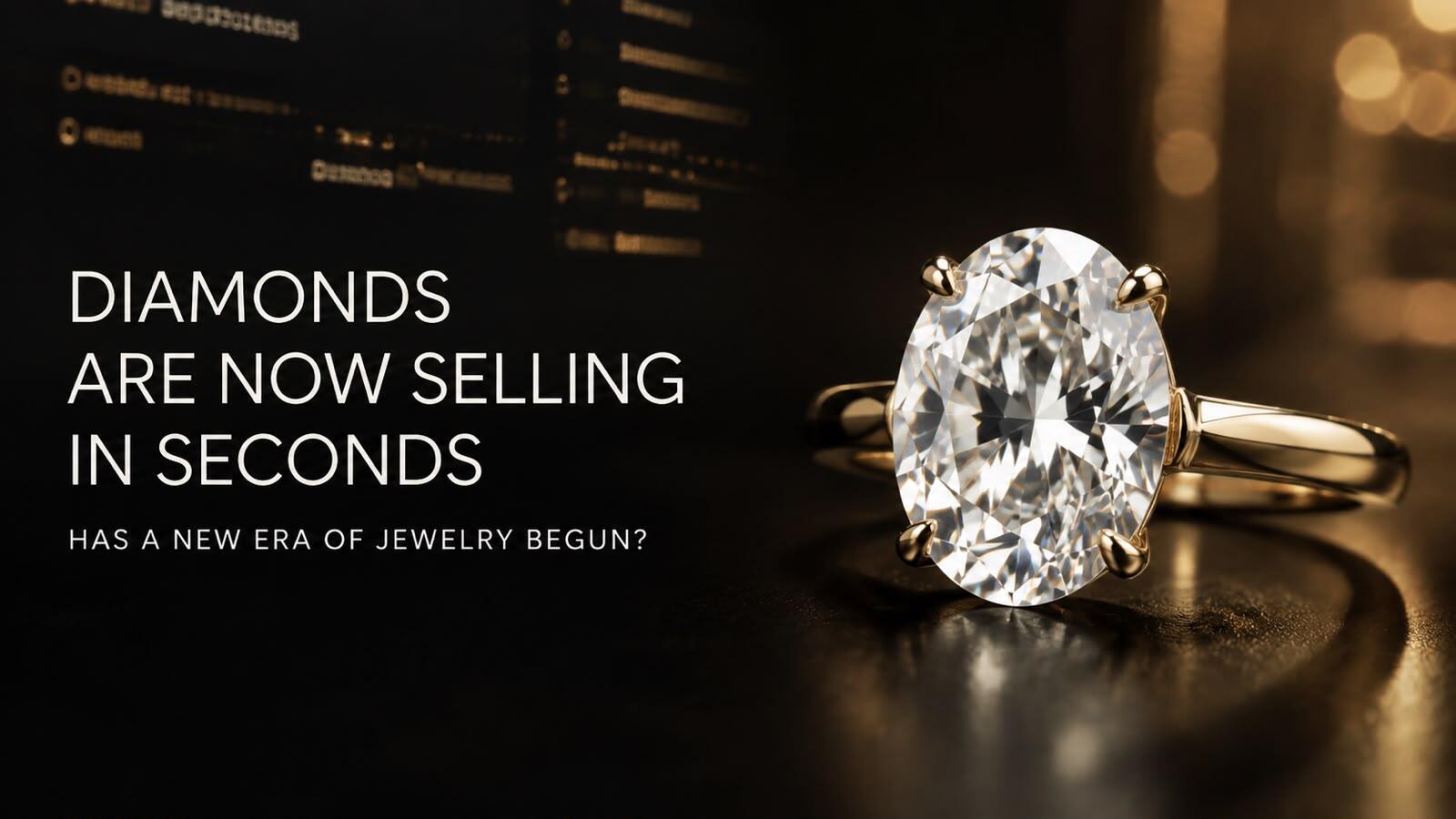
Diamonds Are Now Selling in Seconds on TikTok: Has a New Era of Jewelry Begun?
Lab Grown Diamond
Lab-grown diamonds are everywhere, from TikTok livestreams to luxury jewelry collections. As prices begin to stabilize, how are consumer priorities changing?
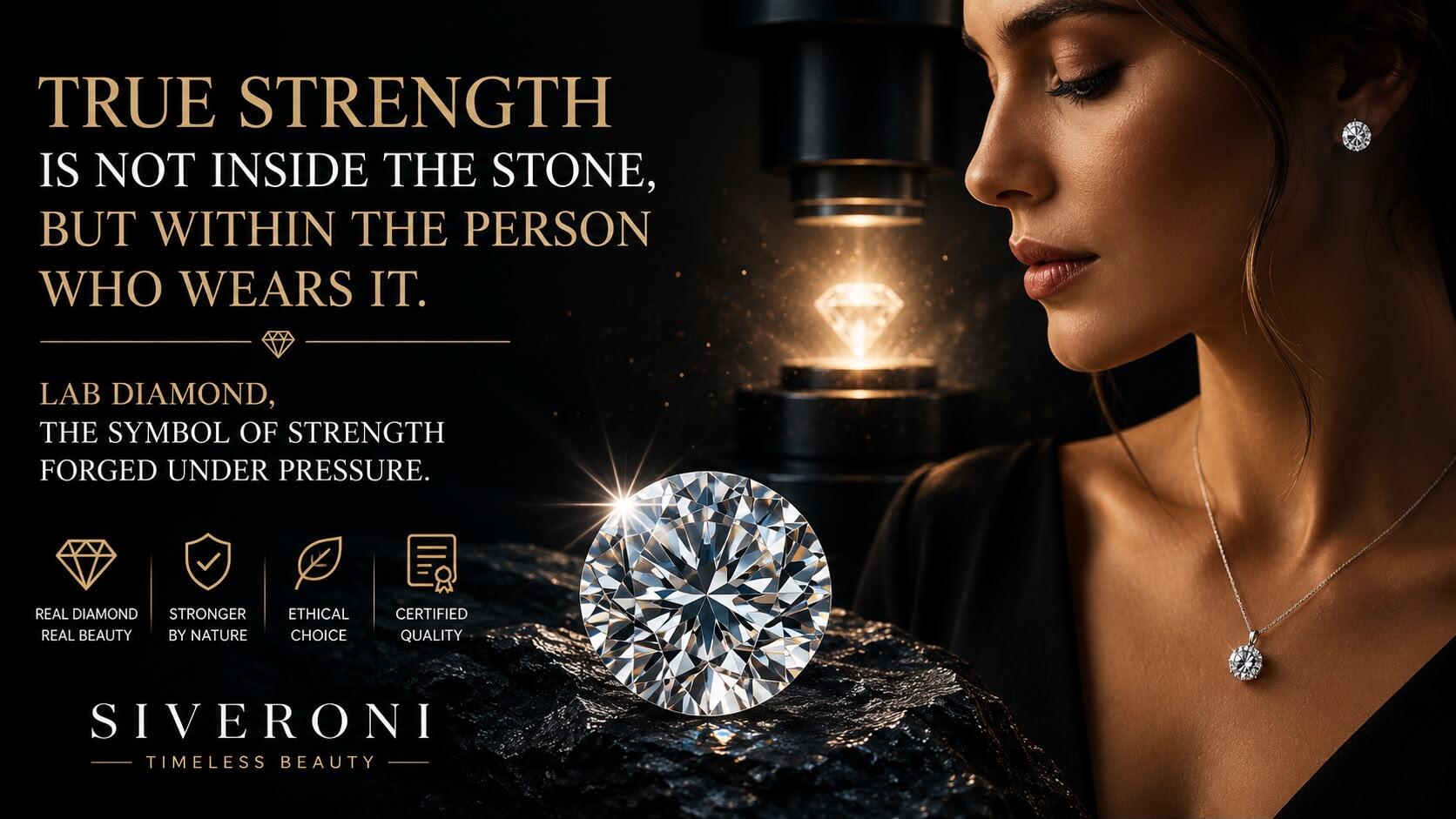
True Strength Is Within You: Why a Lab-Grown Diamond Represents Resilience
Lab Grown Diamond
Discover how lab-grown diamonds symbolize resilience, strength, and modern luxury. Learn why certified lab-grown diamonds represent more than beauty—they reflect perseverance, purpose, and personal values.

How Silveroni Is Redefining Luxury Jewelry Retail with an Innovative Franchise Concept
Lab Grown Diamond
Discover how Silveroni is transforming luxury jewelry retail with its innovative franchise model that combines premium lab-grown diamonds, café hospitality, immersive customer experiences and modern luxury boutique design.
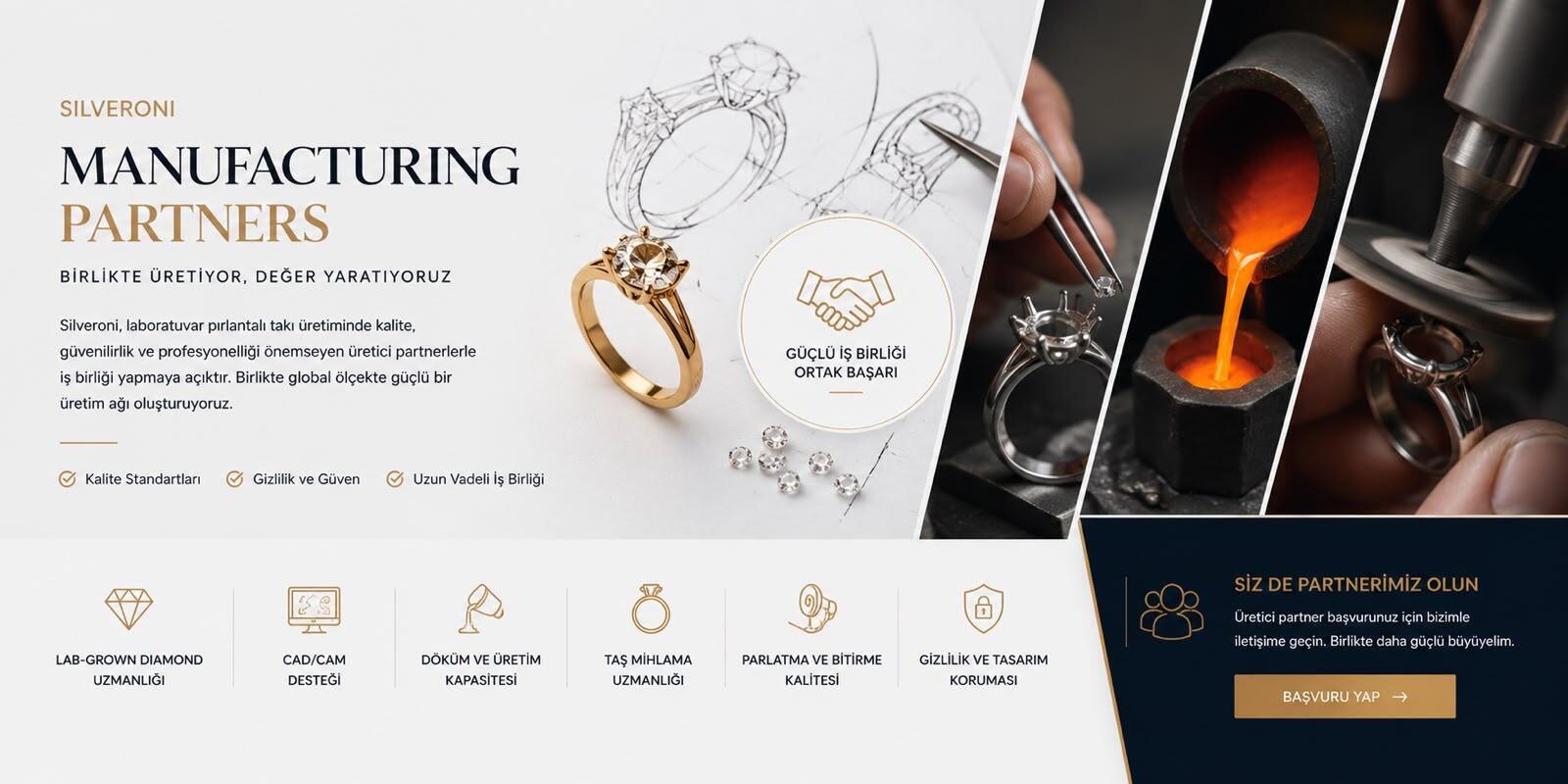
Why Manufacturing Partnerships Matter in Modern Jewelry Business
Lab Grown Diamond
Discover why professional manufacturing partnerships are becoming increasingly important for wholesale, private-label and custom lab-grown diamond jewelry businesses, and how the right production partner can support long-term growth.
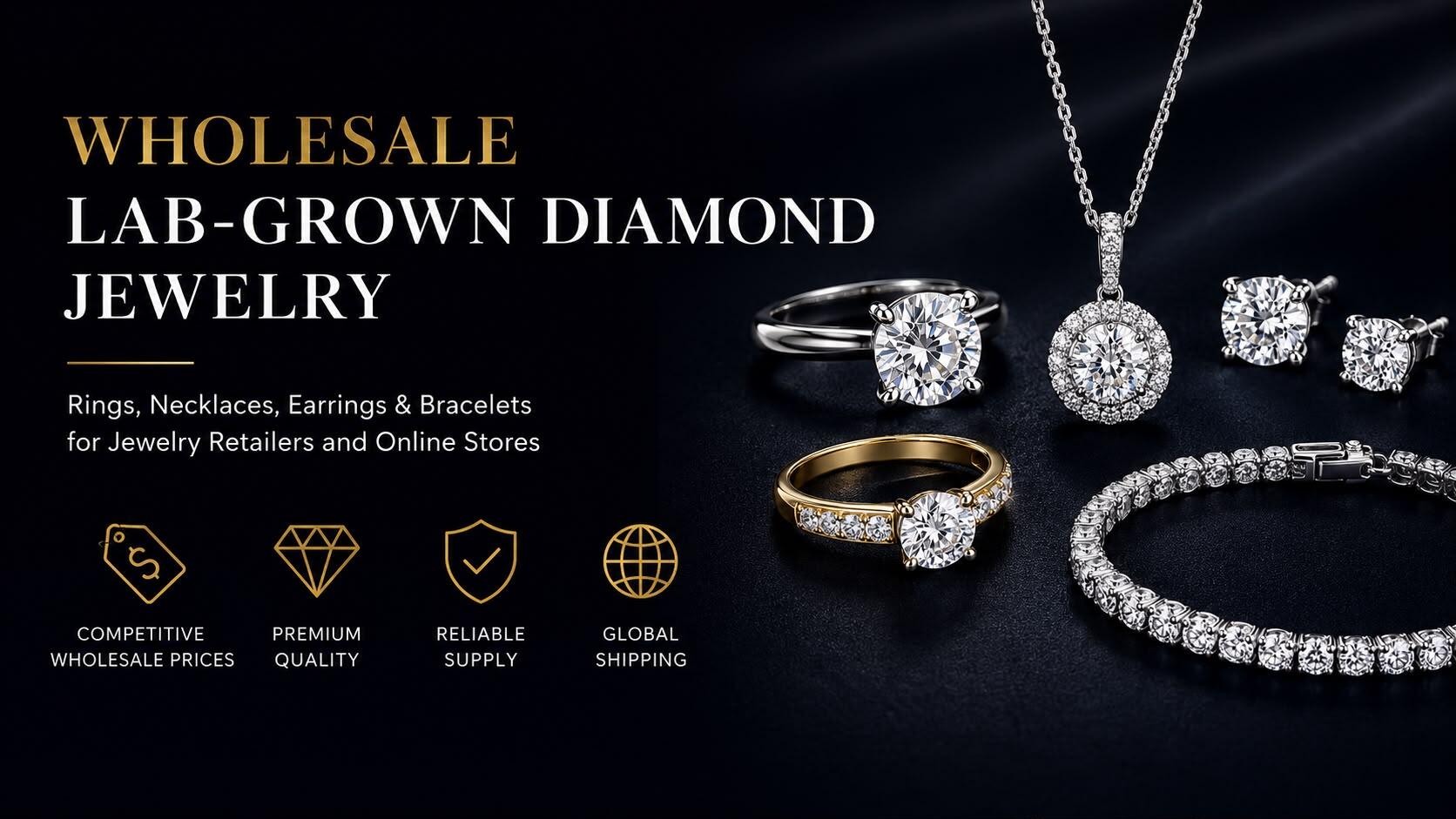
How to Choose a Lab-Grown Diamond Jewelry Supplier for Your Store
Lab Grown Diamond
Learn how jewelry retailers and online stores can choose a lab-grown diamond jewelry supplier for wholesale, private-label and business growth.
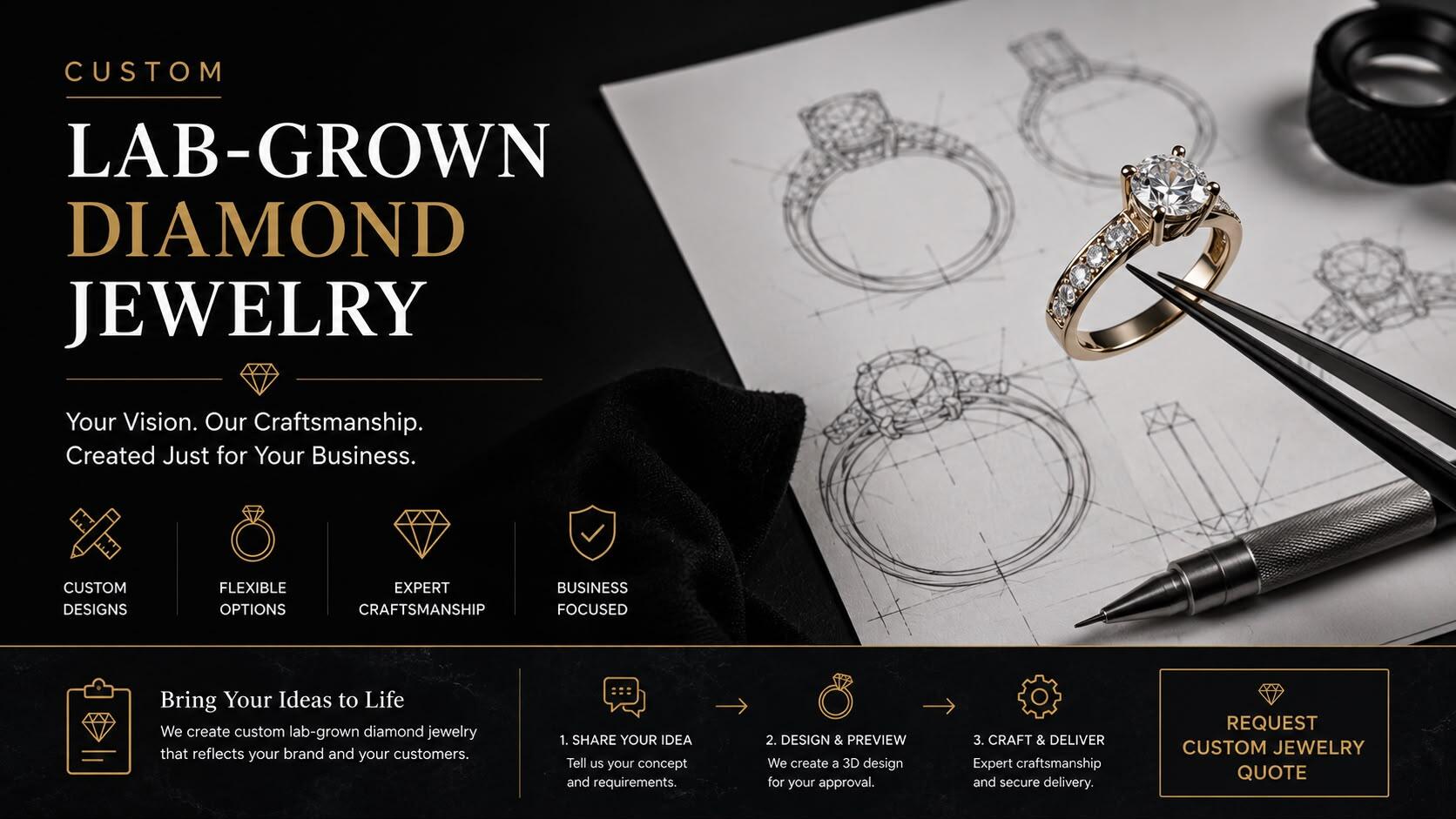
How to Choose a Lab-Grown Diamond Jewelry Supplier for Your Store
Lab Grown Diamond
Learn how jewelry retailers and online stores can choose a lab-grown diamond jewelry supplier for wholesale, private-label and business growth.