
Lab Grown Diamond Scratch Test – Discover the Real Durability
Introduction – Why a Scratch Test Matters
Before making a purchase of a lab grown diamond for engagement or fine jewelry pieces durability stands as the number one priority. The Earth contains diamonds and lab grown diamonds which earn recognition as among its most resilient materials. How does this really perform in real life?
A scratch test functions as an effective method to determine how resistant gemstones are against surface damage. Many buyers view this test beyond a simple scientific measure because it provides peace of mind that their jewelry pieces will survive regular wear while preserving their brightness. The following article examines how lab created diamonds perform during scratch tests along with their durability factors and provides guidelines to preserve their flawless appearance through time.
Understanding Diamond Hardness and Durability
The Mohs Hardness Scale
Minerals receive rankings from 1 (talc) to 10 (diamond) based on their scratch resistance properties according to the Mohs scale. The Mohs scale positions diamonds in the top position at 10 regardless of their origin between natural and lab created.
Why Lab Grown Diamonds Match Natural Diamonds
The composition of lab created diamonds matches natural diamonds because they consist of pure carbon crystals which share identical atomic structure. The resistance level of their scratch marks remains almost identical between them. Stones created through HPHT (High Pressure High Temperature) and CVD (Chemical Vapor Deposition) possess identical atomic structures.
The Scratch Test – How It Works
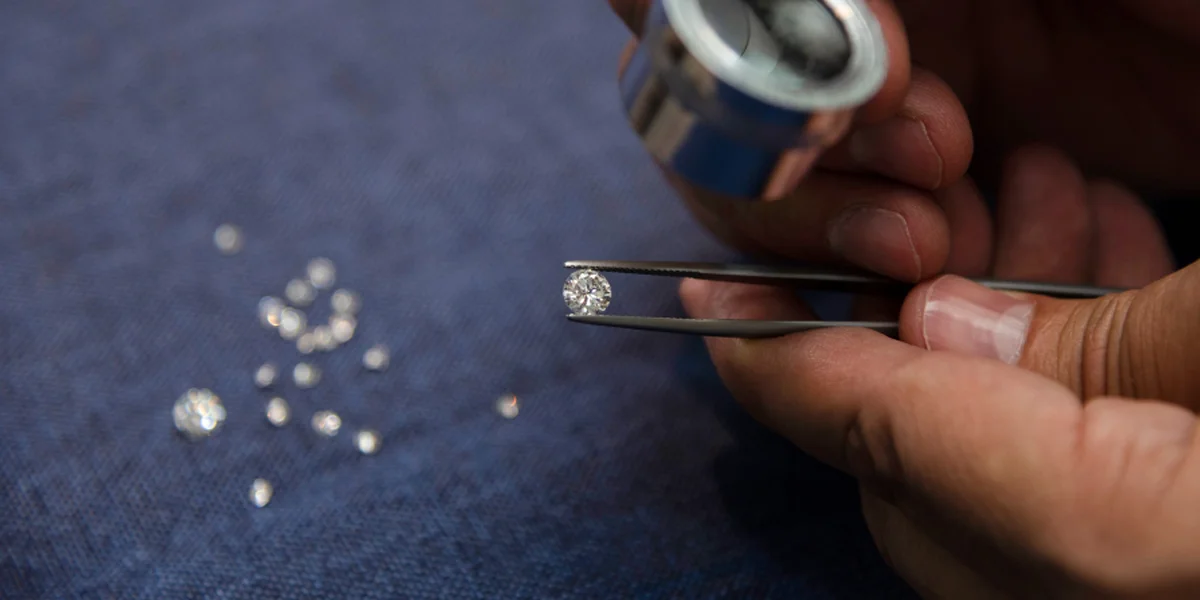
A scratch test requires an attempt to scratch the diamond surface by using another material. As diamonds achieve the highest position of 10 on the Mohs hardness scale only another diamond possesses enough hardness to create a scratch.
Key points in a scratch test:
- The diamond remains firmly in place while a reference tool delivers pressure against it.
- A mark should never appear unless the diamond experiences a scratch from another diamond.
- The diamond surface remains undamaged even after undergoing extensive wear simulation testing.
Lab Grown Diamond Scratch Test Results
The results from laboratory tests together with field studies demonstrate that:
- The surface of lab grown diamonds remains unharmed by normal usage including metal and coin contact and key interactions.
- Only another diamond or diamond-coated tool can leave a mark.
- Surface luster remains intact after prolonged wear.
Common Misconception
Many buyers mistakenly equate hardness with toughness. Although diamonds possess exceptional scratch resistance their structural integrity becomes vulnerable to cracking or breaking when hit with enough force at specific angles.
SHOP NOW!:
PrincessLab Grown Diamond Solitaire | Sustainable Elegance by Silveroni | Discount + New Member Coupon!
Factors That Affect Durability Beyond Scratches
- Setting Design: The security of a proper setting protects diamonds from unintended hits.
- The combination of 18K ethical gold provides durability and harmonious visual appeal to the diamond.
- The lifespan of jewelry becomes longer when owners remove their pieces before taking part in activities that produce high impacts.
IGI Certification and Quality Assurance
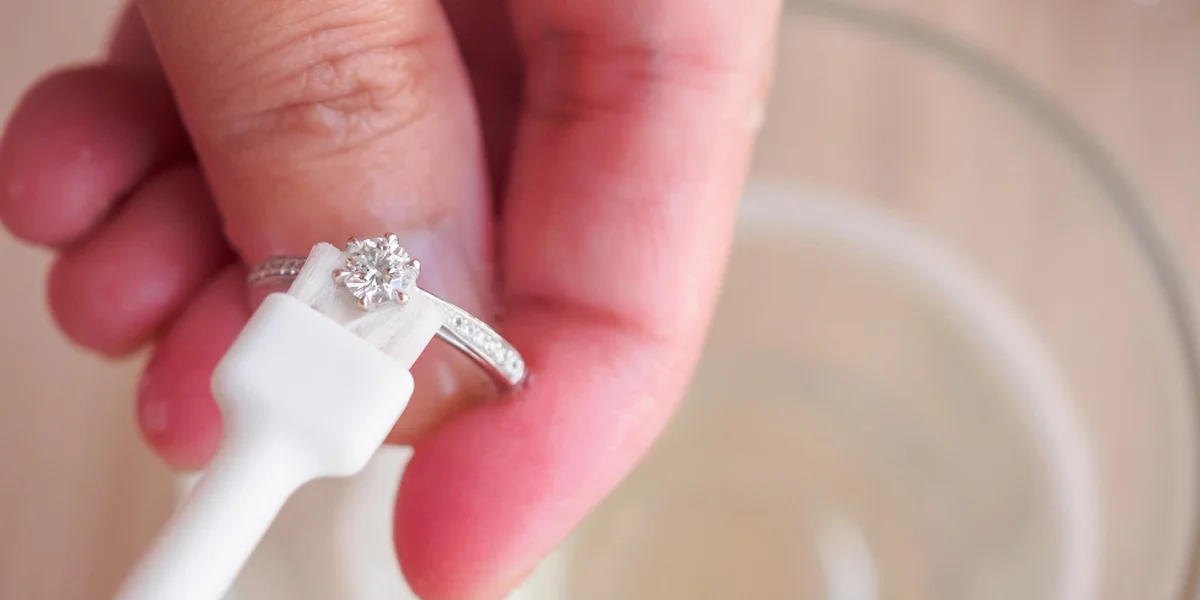
The IGI certification provides assurance that you will obtain a graded stone which includes evaluations for cut, clarity, color and carat weight. The certification process validates product authenticity which proves crucial for durability evaluation because superior cut quality enhances resistance to wear.
Care Tips to Maintain Brilliance
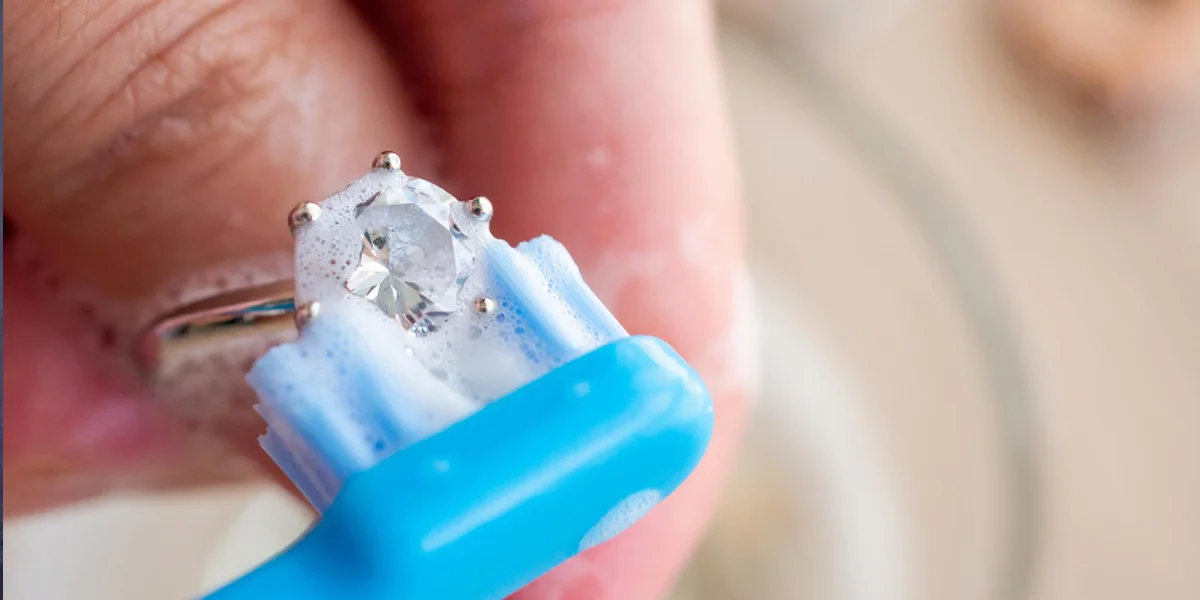
- Regular Cleaning: Use mild soap, warm water, and a soft brush.
- Professional Checkups: Your jewelry requires annual inspections for loose settings.
- Store your diamonds separately because other diamonds in contact may cause scratching.
Lab Grown Diamonds vs. Other Stones in Scratch Resistance
Moissanite exhibits a lower Mohs hardness rating of 9.25 compared to diamonds which results in increased surface deterioration throughout time.
Sapphire: Ranks 9, durable but can be scratched by diamonds.
Cubic Zirconia: Much softer (~8), scratches easily, loses polish quickly.
Lab grown diamonds demonstrate superior scratch resistance than other stones so they become perfect for creating heirloom-quality items.
The Verdict – Are Lab Grown Diamonds Durable Enough?
Absolutely. Lab grown diamonds maintain identical scratch resistance compared to their natural diamond counterparts. They will preserve both their brilliance and structural integrity throughout numerous generations when properly cared for.
For More Great Information, You Can Read These:
Brilliant Earth vs Silveroni – Honest, In-Depth Lab Grown Diamond Comparison
What Are Lab Grown Diamonds?
Explore More from Silveroni:
Diamond Engagement Rings: https://www.silveroni.com/diamond-rings
Mars Treasures Birthstone Collection: https://www.silveroni.com/mars-treasures
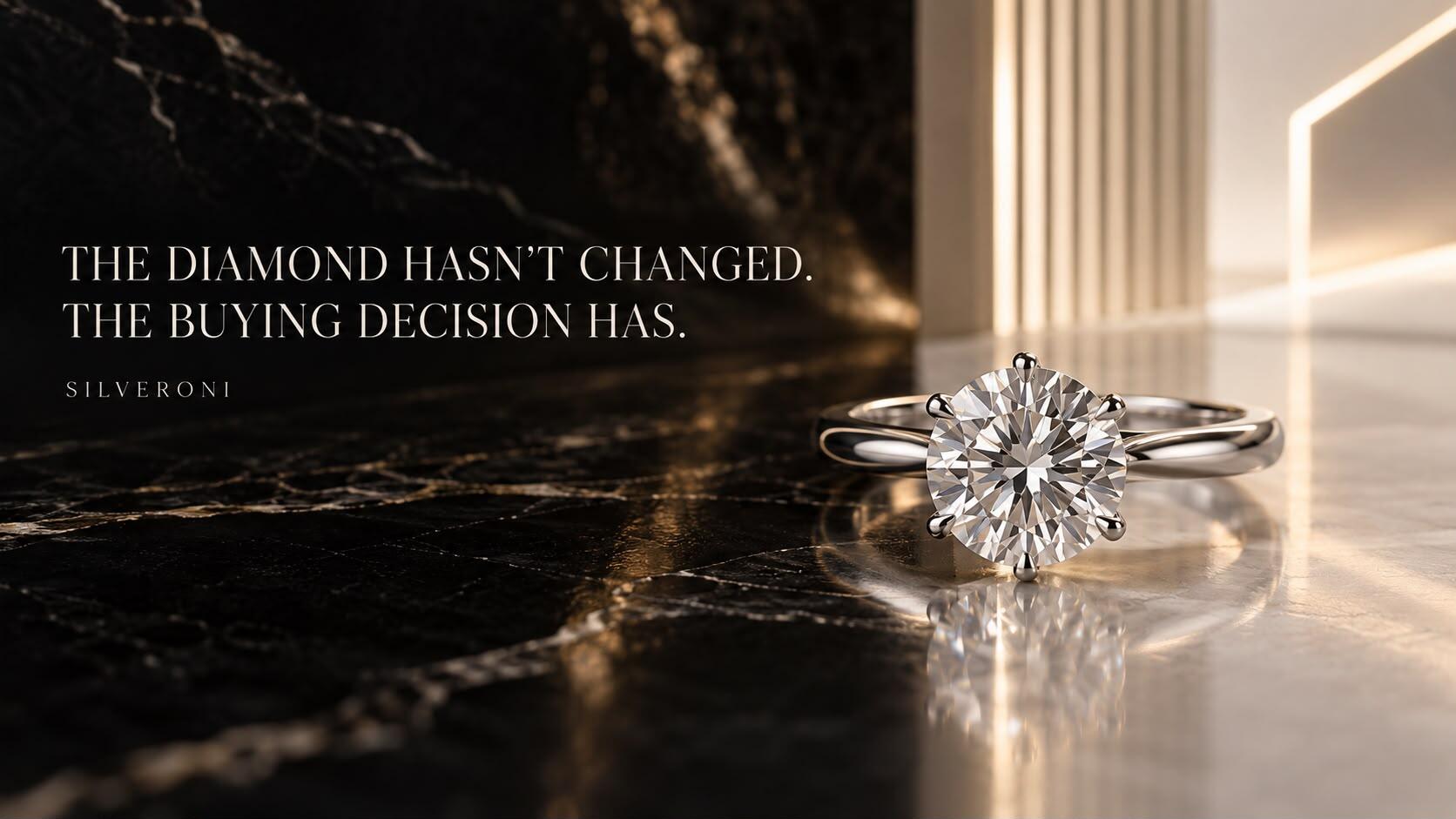
The Diamond Hasn’t Changed. The Buying Decision Has.
Lab Grown Diamond
The New Luxury Question Is No Longer “Is It Real?”
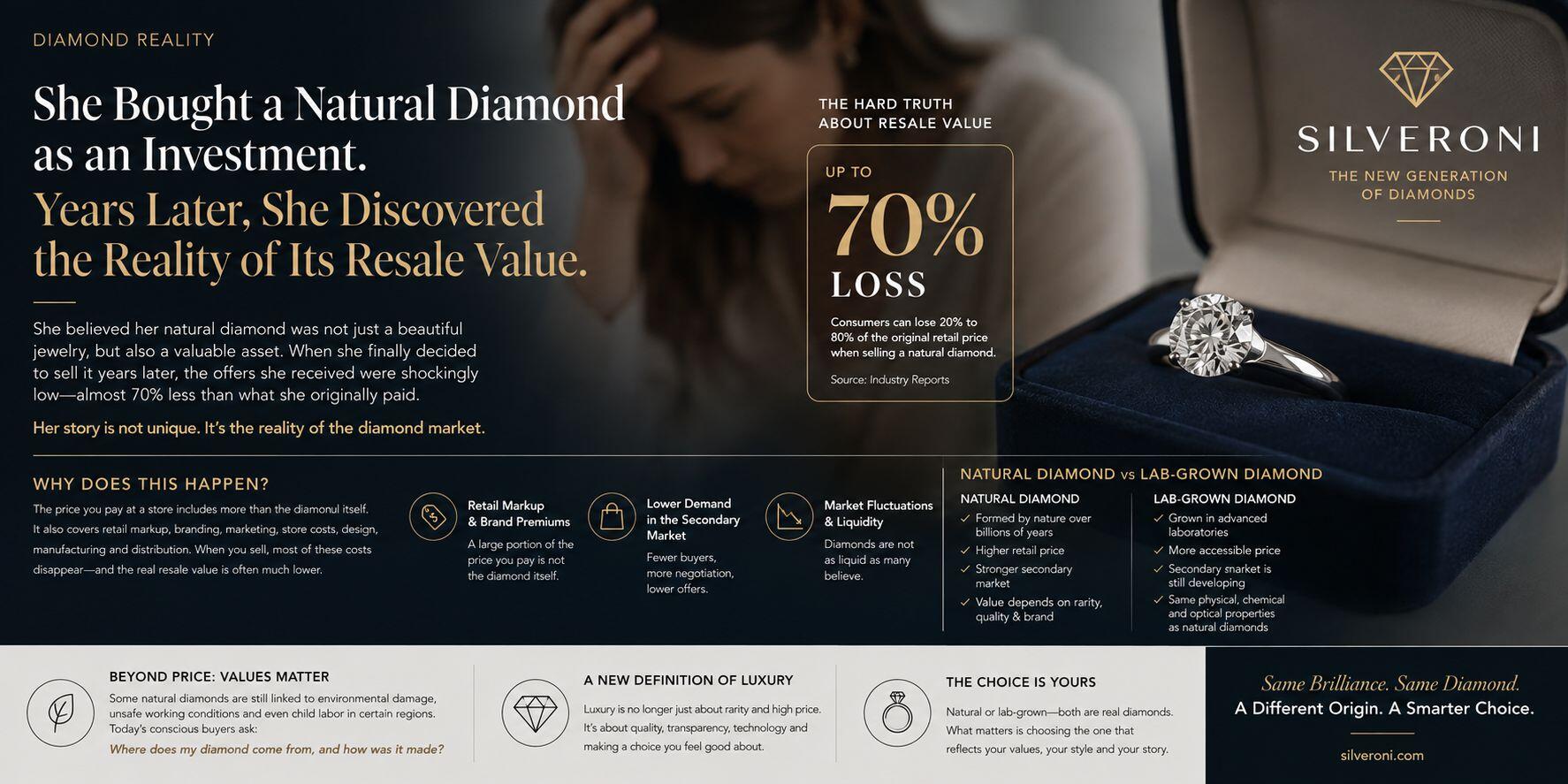
She Bought a Natural Diamond as an Investment. Years Later, She Discovered the Reality of Its Resale Value
Lab Grown Diamond
Imagine a woman who purchased a natural diamond years ago. At the time, she believed she was buying more than a beautiful piece of jewelry. She thought she was putting part of her money into something valuable, something she could keep for years and potentially convert back into cash if she ever needed it.
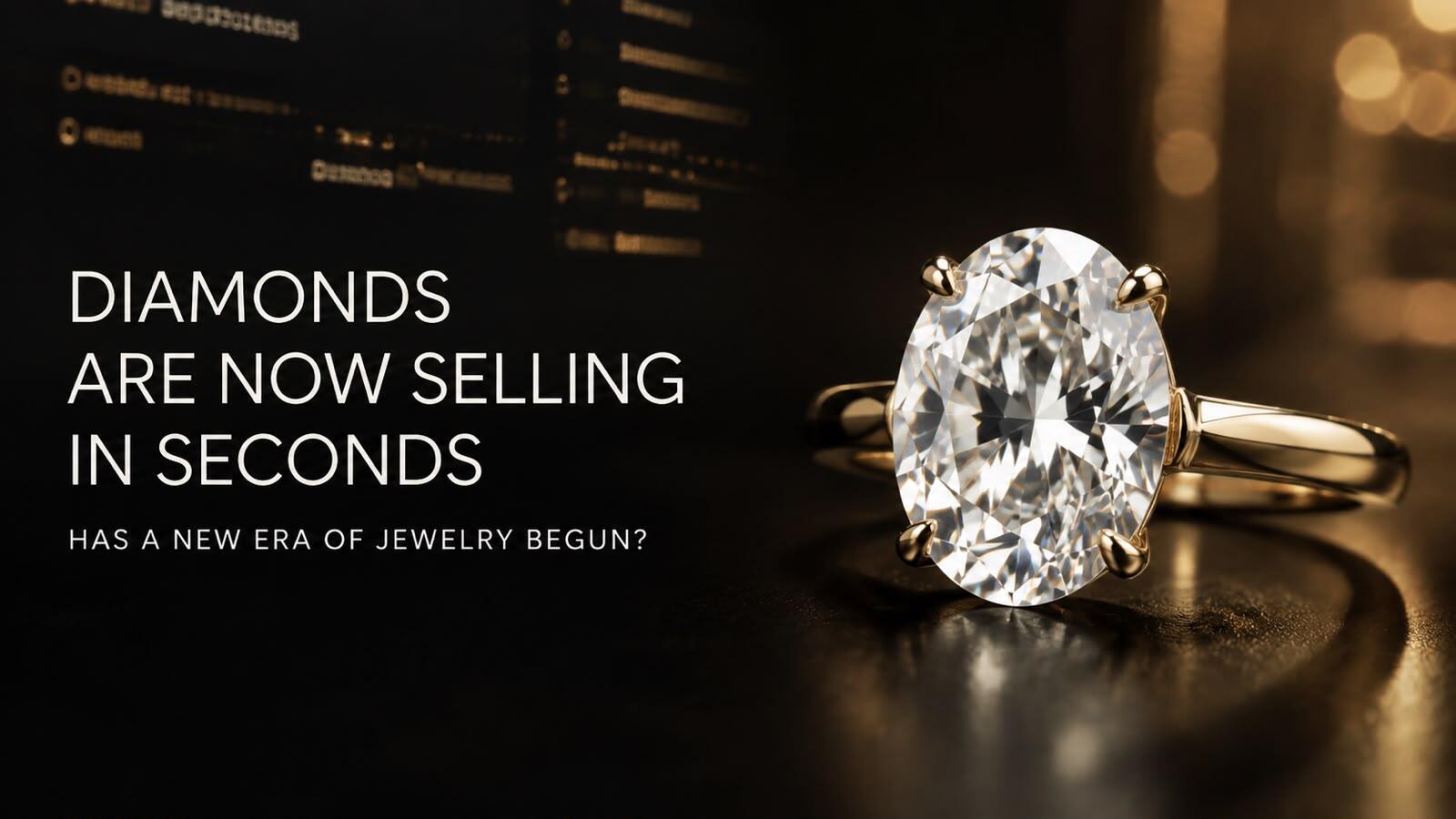
Diamonds Are Now Selling in Seconds on TikTok: Has a New Era of Jewelry Begun?
Lab Grown Diamond
Lab-grown diamonds are everywhere, from TikTok livestreams to luxury jewelry collections. As prices begin to stabilize, how are consumer priorities changing?
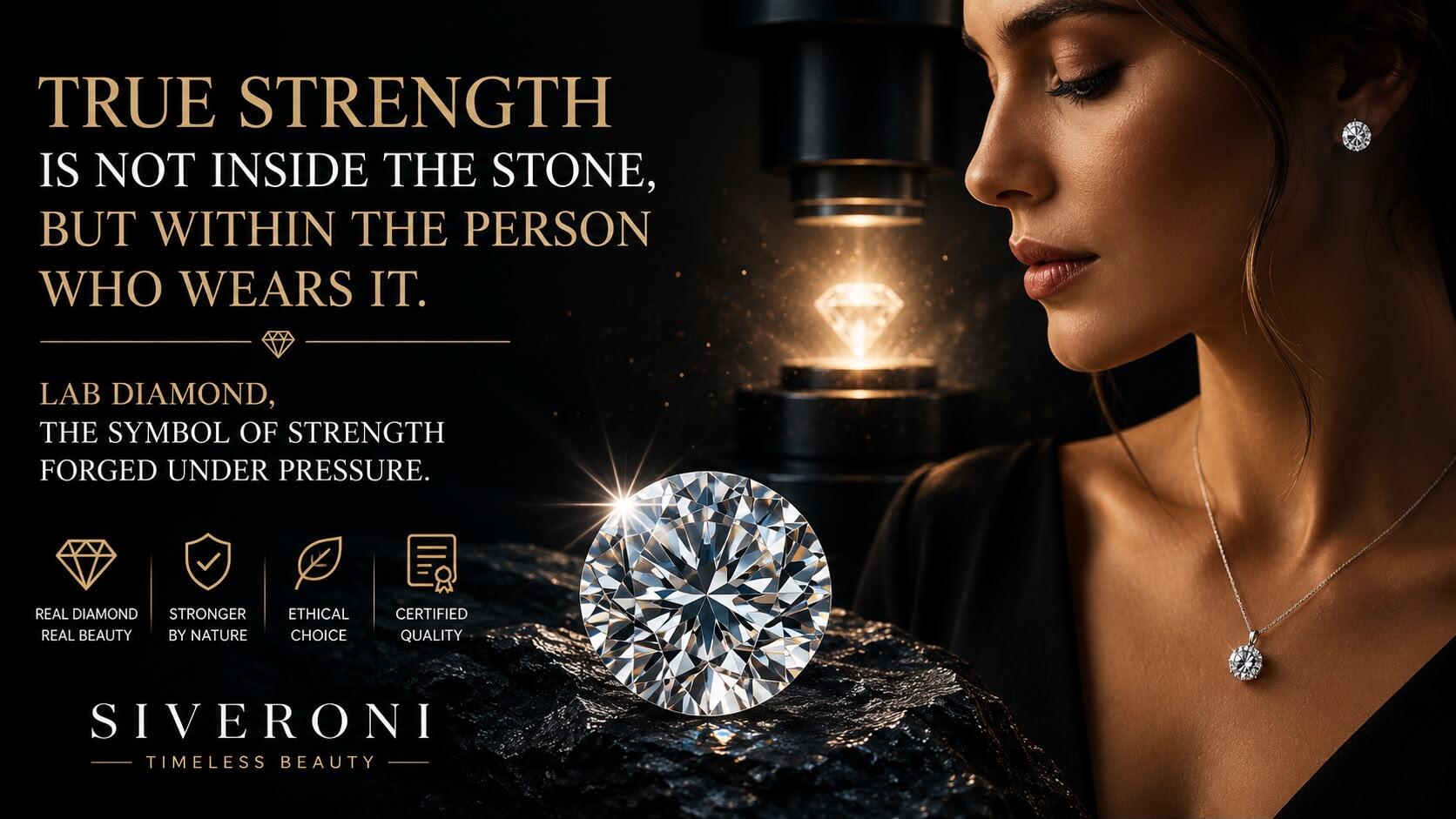
True Strength Is Within You: Why a Lab-Grown Diamond Represents Resilience
Lab Grown Diamond
Discover how lab-grown diamonds symbolize resilience, strength, and modern luxury. Learn why certified lab-grown diamonds represent more than beauty—they reflect perseverance, purpose, and personal values.
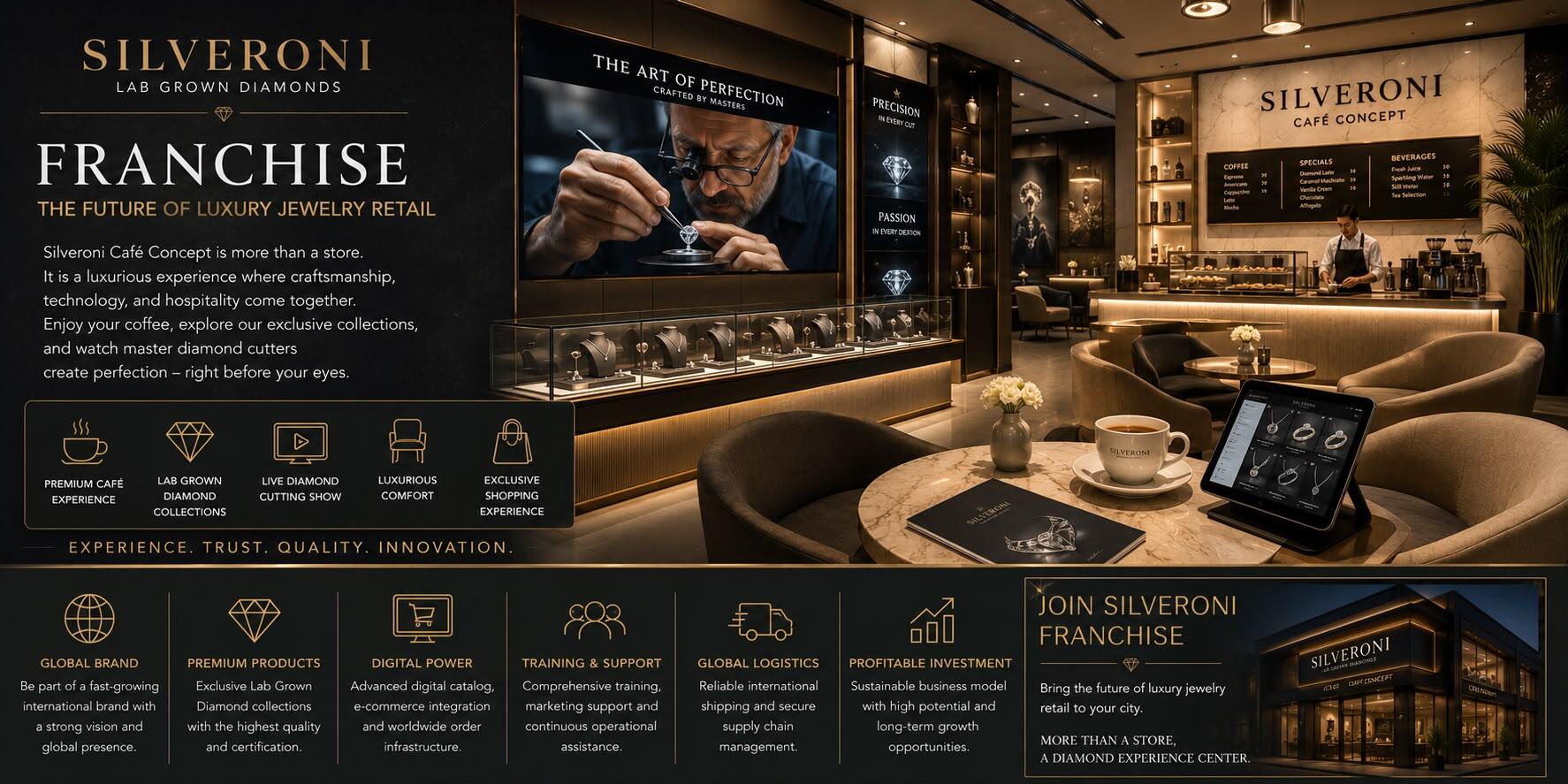
How Silveroni Is Redefining Luxury Jewelry Retail with an Innovative Franchise Concept
Lab Grown Diamond
Discover how Silveroni is transforming luxury jewelry retail with its innovative franchise model that combines premium lab-grown diamonds, café hospitality, immersive customer experiences and modern luxury boutique design.
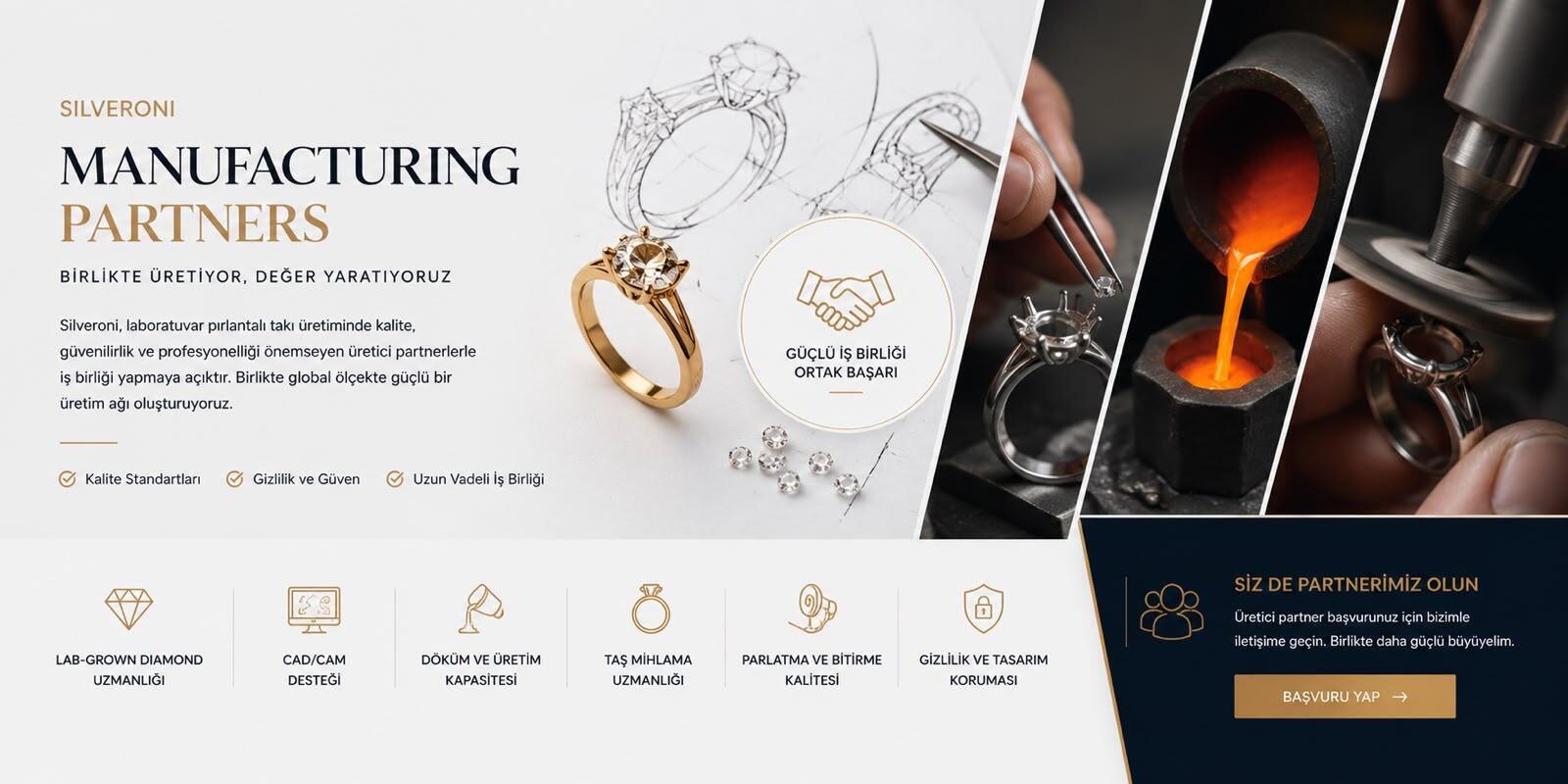
Why Manufacturing Partnerships Matter in Modern Jewelry Business
Lab Grown Diamond
Discover why professional manufacturing partnerships are becoming increasingly important for wholesale, private-label and custom lab-grown diamond jewelry businesses, and how the right production partner can support long-term growth.
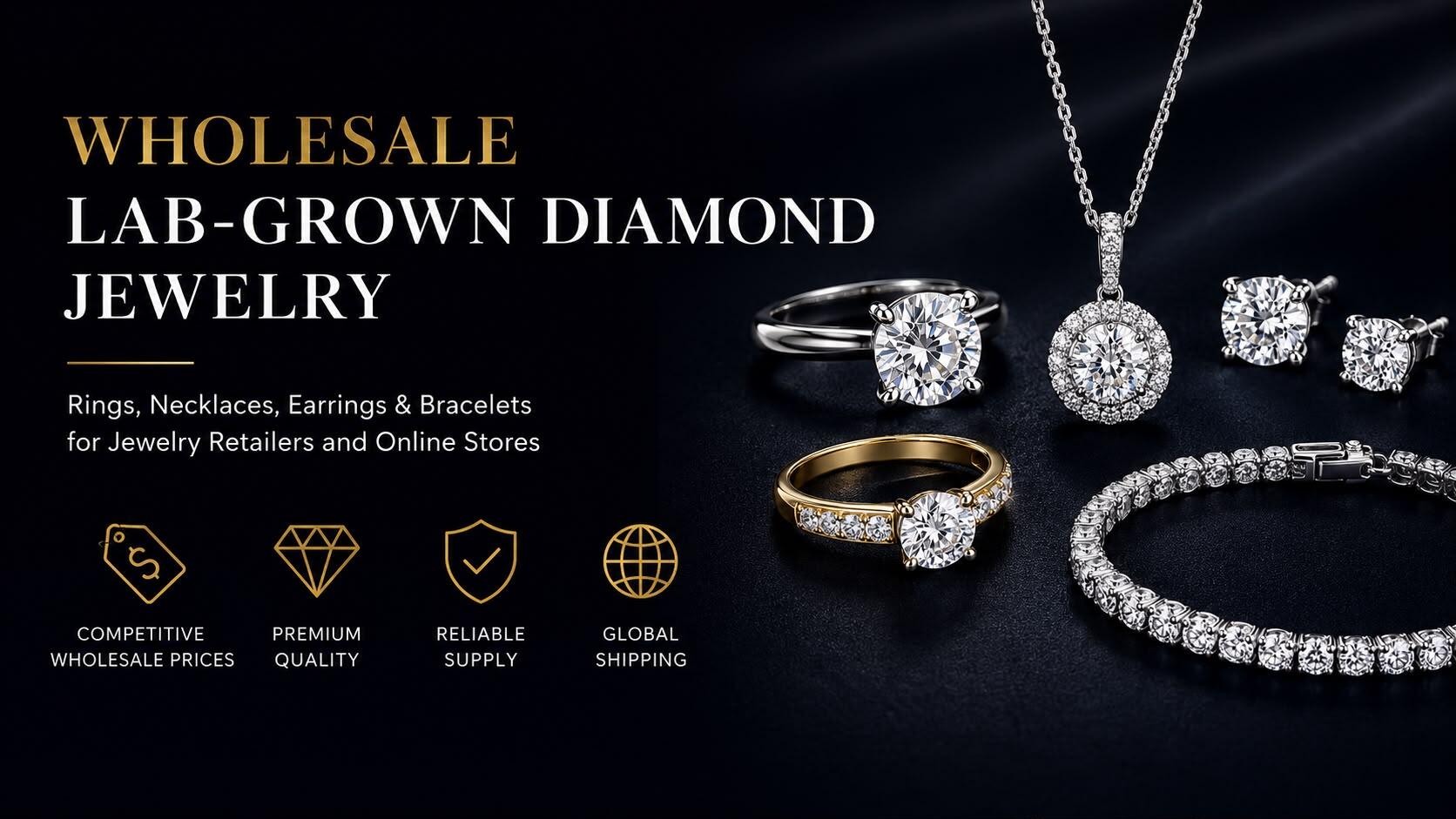
How to Choose a Lab-Grown Diamond Jewelry Supplier for Your Store
Lab Grown Diamond
Learn how jewelry retailers and online stores can choose a lab-grown diamond jewelry supplier for wholesale, private-label and business growth.
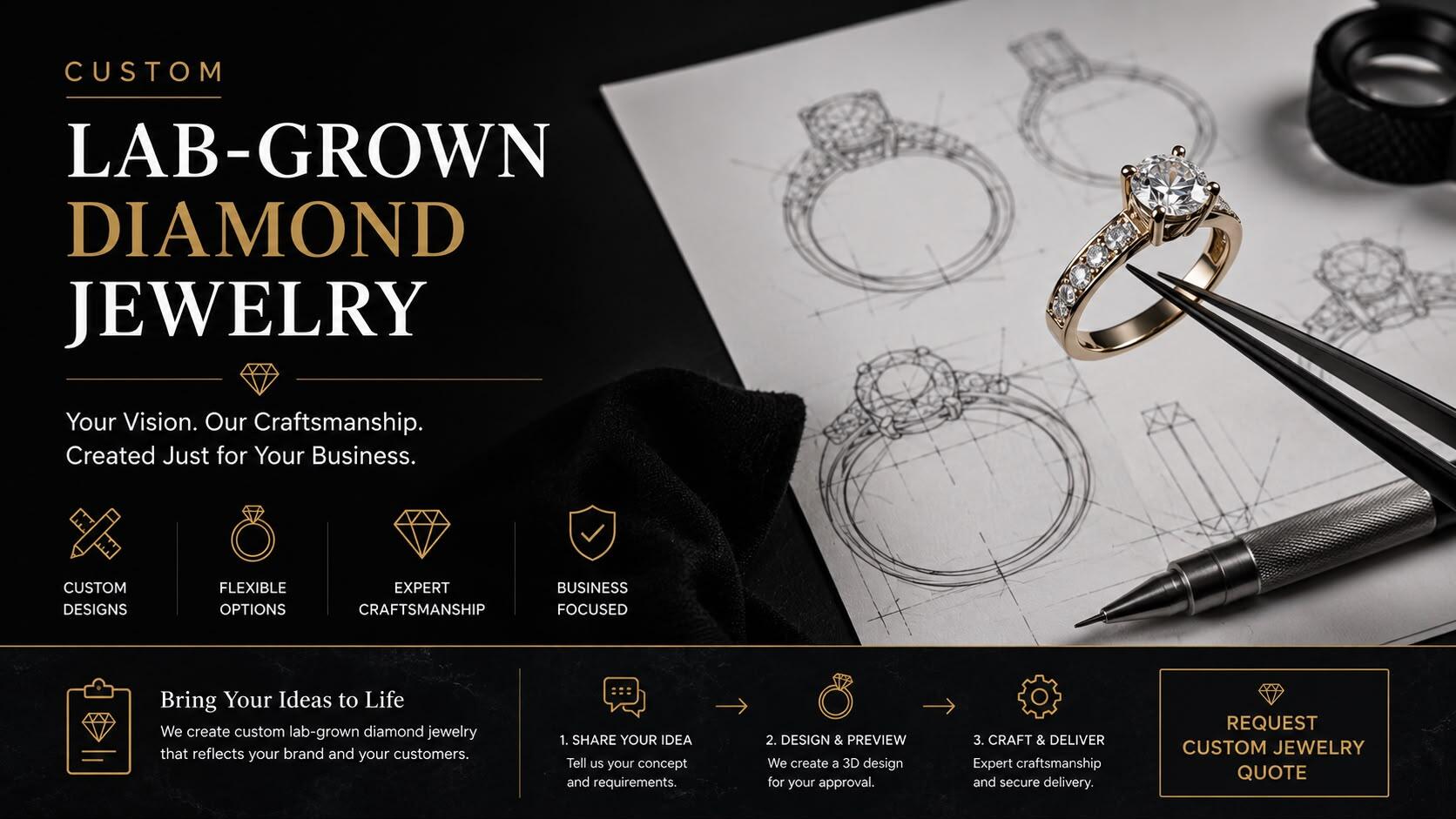
How to Choose a Lab-Grown Diamond Jewelry Supplier for Your Store
Lab Grown Diamond
Learn how jewelry retailers and online stores can choose a lab-grown diamond jewelry supplier for wholesale, private-label and business growth.